A new Amharic e-book titled Theatres for Change by Mihret Massresha was officially launched this week.
The e-book is a methodology handbook focusing on how to generate, develop, direct, act and stage research based interactive dramas. Seven plays the author of the e-book wrote, directed and staged through 2006 to 2017, one with Afan Oromo version, are included in this book.
“The book is intended to serve as a practical guide and a resource material for in-school and out-of-school youth groups, theatres, government organizations and civil societies, as well as for amateur and professional theatre practitioners. They can use this material as they employ drama as a tool of addressing various social issues,” Mihret says.
According to the author, the book can help raise awareness and communication efforts on wide-ranging social causes such as health and education, agriculture and service provision, mutual respect and peaceful coexistence, ethics and anticorruption, corporate social responsibility and social accountability, human right and democracy, environment protection and conservation and so on.
Such efforts can be more effective with the use of research based interactive approaches like Theatre for Change, a change that the country is striving to achieve. The book can also be a good policy input for shaping the future of Ethiopian Theatre.
“Critics, trainers in the area, art correspondents, students, scholars, translators, potential patrons/ partners, policy makers, publishers, development communicators and anyone interested are warmly welcome to contribute in this instrument of change, which in its own way can play a vital role in the development and democratization process of Ethiopia, through reading and reflecting on this material,” Mihret said.
“Interestingly, the book is completed during this covid period. The method can be customized to covid preventive mode, and expected to be widely promoted in the post-covid period. I am extremely glad to present this book for the Ethiopian public,” the author concluded.
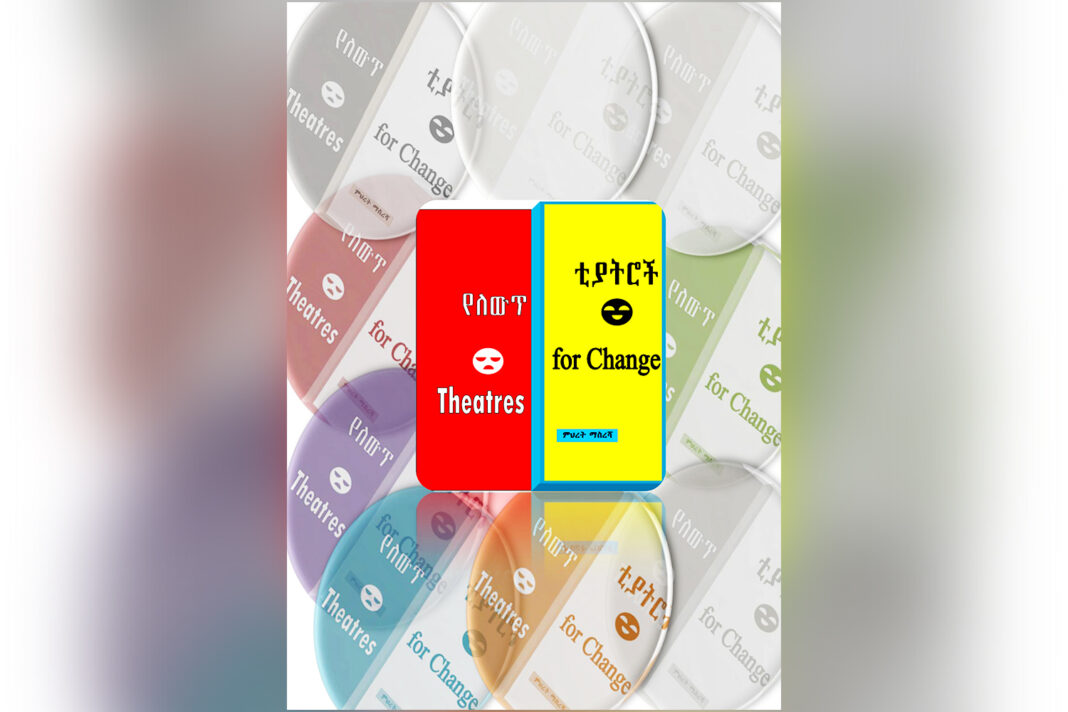
Theatres for Change
Topics
Popular Categories


Previous article
Next article