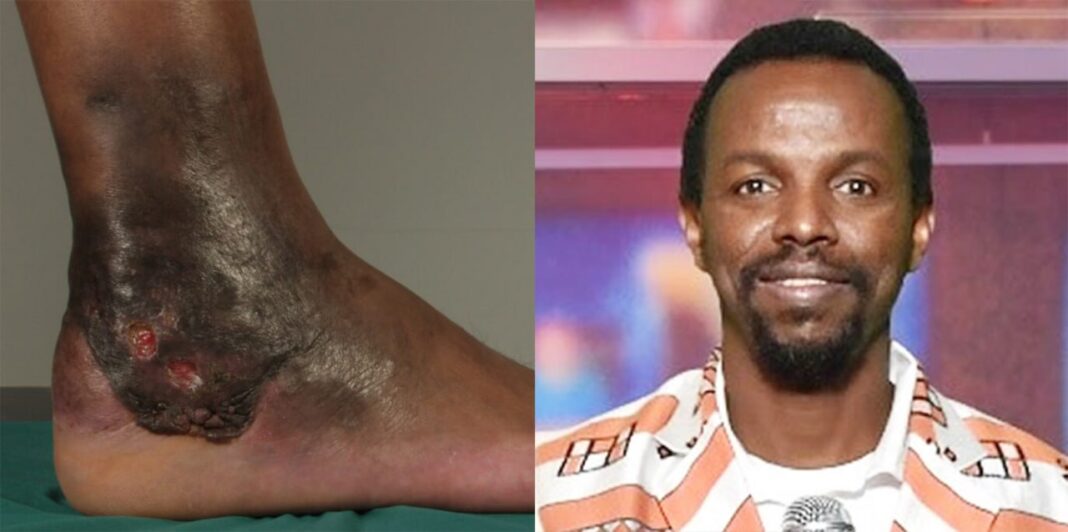
Mycetoma, a neglected tropical disease, poses a significant health threat to many individuals in Ethiopia, particularly in impoverished and rural areas. Characterized by chronic wounds and severe deformities, mycetoma can have devastating health and financial impacts on those affected. However, the extent of this disease remains poorly understood due to a lack of comprehensive data.
Wendemagegn Enbiale, an expert on mycetoma, emphasizes the urgent need for awareness and research regarding the disease’s prevalence in Ethiopia. To better understand the situation, a national survey was conducted in 2022 that reviewed hospital records from 13 hospitals across the country for cases of mycetoma and similar diseases from 2015 to 2022. The findings revealed that mycetoma is present in almost every region of Ethiopia, with the highest incidence reported in the northern regions of Tigray and Amhara. These two regions accounted for over two-thirds of reported cases, despite comprising only about a quarter of the country’s population.
In comparison to neighboring Sudan, where over 9,600 cases have been reported over 30 years, Ethiopia recorded only 143 cases in five years. This disparity suggests that many cases may go unreported or misdiagnosed, highlighting the need for further community-based studies to accurately assess the scale of the problem.
Patients with mycetoma typically first notice a persistent wound that does not heal and gradually enlarges over several years. The affected area may swell and ooze discharge from multiple spots. While the foot is the most commonly affected site, mycetoma can also manifest on the hands, back, or buttocks, potentially damaging skin, deeper tissues, and even bones.
A distinctive feature of mycetoma is pus containing grains that may be black, white, yellow, or red. Most affected individuals are farmers who work barefoot, increasing their risk of infection from contaminated soil.
The impact of mycetoma extends beyond physical health; it significantly affects the financial stability and social well-being of those infected. The disease primarily impacts individuals in their working years—farmers, daily laborers, and wood collectors—who often lack protective footwear or gloves. When fungus enters through cuts or injuries, the disease can spread slowly if not treated early.
Many patients face barriers to accessing healthcare due to financial constraints or geographic distance from medical facilities. The disease is often not painful initially, leading to delays in seeking medical help. However, untreated mycetoma can result in severe complications such as chronic discharge and deformities that hinder patients’ ability to work.
Cultural beliefs and attitudes significantly influence treatment outcomes for mycetoma patients. Many individuals are unaware of the disease’s seriousness and often resort to home remedies instead of seeking professional medical help. Education about mycetoma is crucial; communities need to understand that it does not heal on its own and that proper treatment—which can take up to a year—is essential for recovery.
Ethiopia’s Health Extension Program offers an effective platform for educating communities about mycetoma. Strategies could include teaching the importance of wearing shoes and seeking early treatment for wounds and training healthcare workers to recognize signs of mycetoma and refer patients appropriately.
Mycetoma remains a significant public health challenge in Ethiopia that requires concerted efforts from healthcare providers, policymakers, and researchers alike. Addressing this neglected tropical disease involves improving awareness, enhancing diagnostic capabilities, and ensuring access to effective treatments.