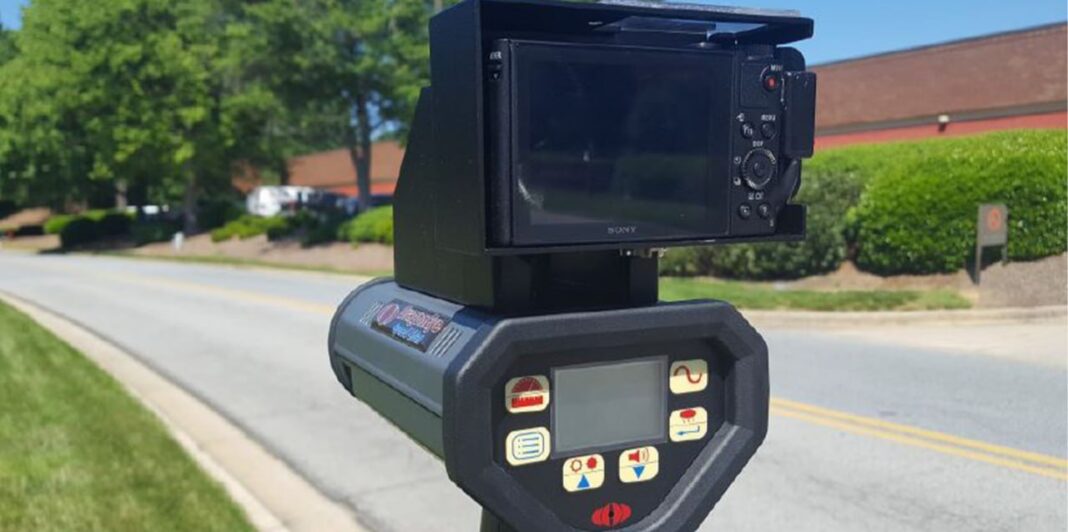
A recent study has revealed that speed limits in Addis Ababa are still being widely ignored, despite reforms implemented in 2015. Conducted by the Johns Hopkins University Global Disability Research Institute in collaboration with Addis Ababa University’s School of Public Health, the research found that 44% of vehicles were observed exceeding legal speed limits, which range from 30 to 70 kilometers per hour.
The study also highlighted concerning statistics regarding motorcycles, with 46% exceeding the speed limit. Sundays were identified as the peak day for speeding among motorcycles, with a staggering 54% recorded exceeding the limits.
These findings come as part of ongoing efforts by the Addis Ababa City Administration Traffic Management Authority to enhance road safety. The authority recently engaged with Bloomberg’s International Volunteer Program to investigate the underlying causes of traffic accidents and develop strategies to address them.
Kbebew Mideksa, Director General of the Traffic Management Authority, stated, “We have carried out control activities, including awareness campaigns, to identify the causes of traffic accidents.” He emphasized the importance of strengthening coordination among stakeholders, including the newly established Road Safety Council, to effectively reduce traffic incidents.
Dr. Teferi Abegaz, Coordinator of Public Health Education at Addis Ababa University, presented additional findings indicating a decrease in traffic-related fatalities since the enforcement of speed limits. He underscored the necessity for continued enforcement and public awareness initiatives.
Rebecca Bavinger, director of the Bloomberg International Volunteer Program, echoed this sentiment, stressing that ongoing awareness campaigns are crucial for reducing speeding and traffic accidents.
The study’s results underscore the persistent challenge of enforcing speed limits in Addis Ababa, despite previous reforms. Enhancing public awareness, improving road infrastructure, and strengthening enforcement measures are vital steps needed to ensure road safety and decrease traffic accidents in the city.