A new report by the Mo Ibrahim Foundation (MIF) reveals a significant disconnect between official governance data and public perceptions across Africa, with Ethiopia among the countries exhibiting notable disparities. The report, titled “Public Opinions on Governance in Africa,” analyzes data from the 2024 Ibrahim Index of African Governance (IIAG) and finds that 50% of public perception indicators do not align with official governance trends, particularly in areas such as Economic Opportunities, Social Protection, and Public Administration.
The IIAG, which assesses governance performance in 54 African countries, integrates citizens’ perceptions with official data and expert assessments to provide a comprehensive picture of governance effectiveness. However, this year’s findings highlight a growing divergence between these two data types, raising important questions about the lived experiences of citizens and their trust in government institutions.
Specifically, the report notes that perceptions of security and safety have declined in many countries, even in cases where official data indicates stability. This suggests that while governments may be making progress in certain areas, citizens are not necessarily feeling the positive impact on their daily lives.
One of the most concerning findings is the all-time low in public perceptions of economic opportunity, particularly in countries facing political instability and conflict. Ethiopia, along with Cameroon, Gabon, and Guinea, is cited as an example where citizens’ perceptions of economic opportunity are declining despite official data showing progress in these areas.
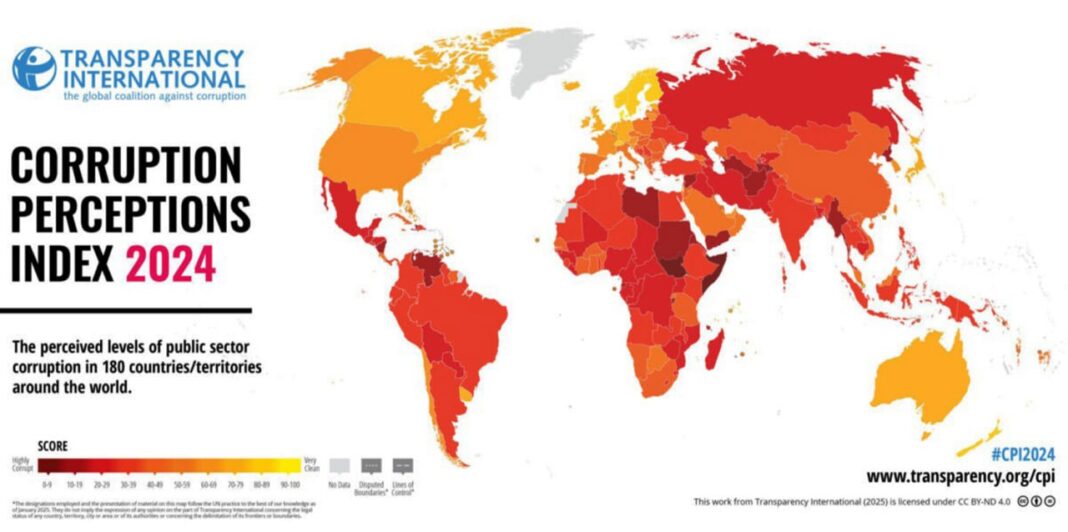
The report suggests that factors such as limited access to resources, corruption, and lack of transparency may be contributing to this divergence between official data and public sentiment. In Ethiopia, concerns about corruption and lack of economic opportunities are well-documented, with the country consistently scoring low on Transparency International’s Corruption Perceptions Index.
The MIF report emphasizes the importance of understanding these divergences and addressing the underlying issues that are driving them. By listening to the concerns of citizens and taking steps to improve governance in areas that matter most to them, African governments can build trust and create a more inclusive and prosperous future for all.