As journalists and media advocates worldwide prepare to mark World Press Freedom Day tomorrow, the Ethiopian Media Council (EMC) and UNESCO have issued urgent warnings about the growing risks artificial intelligence poses to press freedom, information accuracy, and the future of independent journalism.
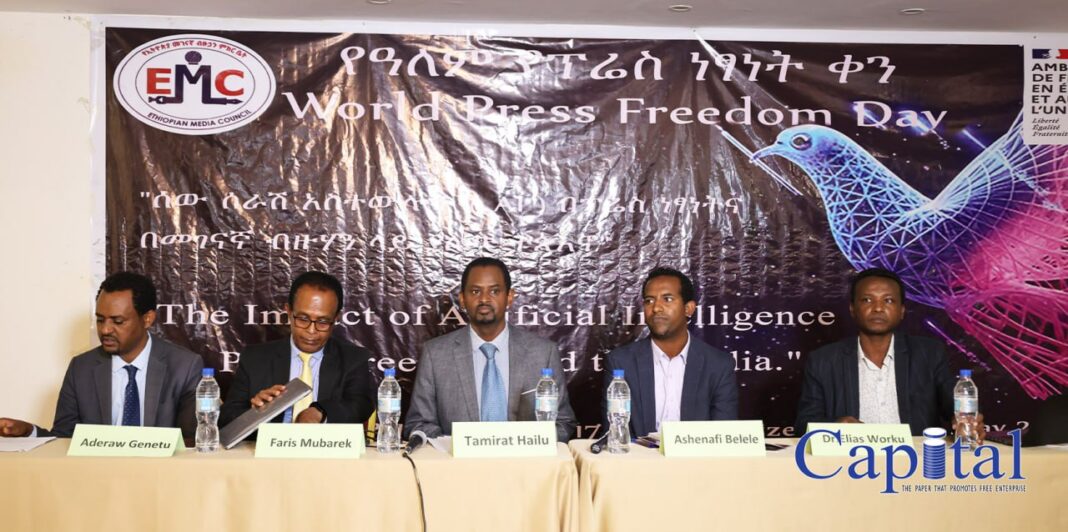
This year’s commemoration, themed “Reporting in the Brave New World: The Impact of Artificial Intelligence on Press Freedom and the Media,” focuses on the profound influence of AI technologies on journalism and media ecosystems globally.
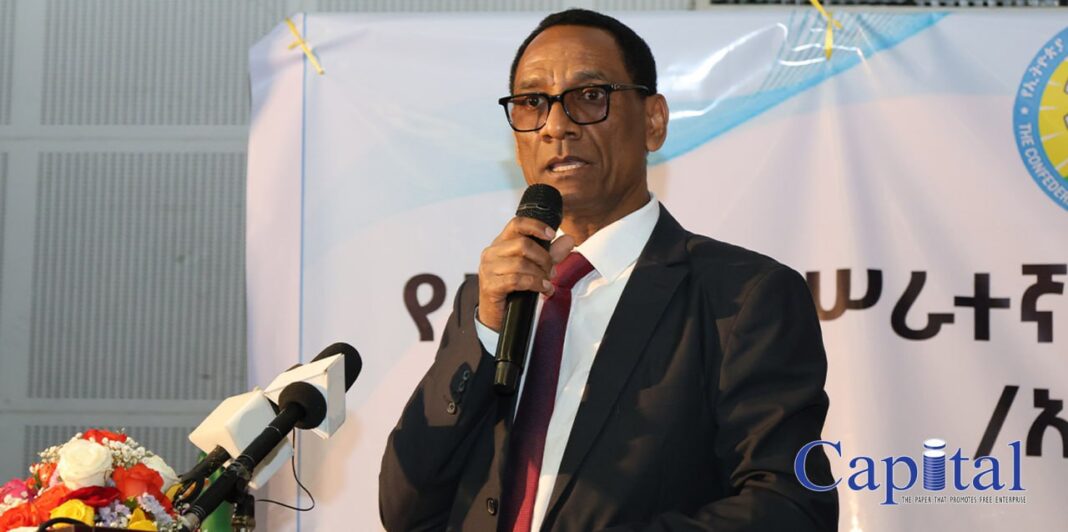
“As World Press Freedom Day is celebrated, it should emphasize that citizens have access to accurate information, not be fooled by artificial intelligence-produced data,” said Amare Aregawi, Chairperson of the Ethiopian Media Council, highlighting the organization’s commitment to fostering an ethical and accountable media environment in Ethiopia.
The EMC, which oversees a regulatory system encompassing more than 100 media institutions, stressed the importance of maintaining journalistic standards in an era of rapidly evolving AI technologies.

Dr. Rita Bissoonauth, Director of UNESCO’s Liaison Office to the African Union and the UN Economic Commission for Africa and Representative to Ethiopia, echoed these concerns while acknowledging AI’s transformative potential.
“Artificial intelligence is no longer a far-fetched concept. It’s already embedded in our newsrooms, and it’s shaping how stories are told, how audiences are engaged, and how narratives are formed,” Bissoonauth noted.
While AI offers significant benefits-including real-time language translation, data-driven storytelling, and improved fact-checking capabilities-both organizations warned of serious risks, particularly the proliferation of sophisticated deepfakes and AI-generated misinformation.
UNESCO highlighted that unregulated AI systems could become tools for censorship and surveillance, especially threatening journalists working in challenging environments. The organization also raised concerns about AI-driven online harassment disproportionately targeting female journalists, “exacerbating existing inequalities and suppressing voices that need to be heard,” according to Bissoonauth.
In response to these challenges, UNESCO is developing international guidelines on digital platform governance and advancing recommendations on AI ethics adopted by its 193 member states. The organization is also expanding media literacy programs globally to help citizens navigate the changing information landscape.
In Ethiopia specifically, UNESCO is partnering with institutions like the EMC to increase media diversity, improve journalism education, and strengthen freedom of expression as foundations for peace and sustainable development.
Both organizations called for coordinated international efforts to promote ethical AI use in media, including responsible deployment of AI tools, transparency in AI-generated content, maintaining editorial standards, and building audience trust. They emphasized the need for newsroom guidelines on AI use and enhanced media literacy to help citizens critically evaluate information and detect falsehoods.
The joint statement also stressed the importance of protecting journalists from AI-driven digital threats through collaboration with civil society, governments, and international partners, aiming to build a human rights-based media ecosystem where technology strengthens rather than undermines journalism.
World Press Freedom Day, observed annually on May 3, was established by the UN General Assembly in 1993 following the landmark Windhoek Declaration by African journalists. The day serves as a reminder to governments of their commitment to press freedom and as an opportunity for media professionals to reflect on issues of press freedom and professional ethics.