Despite government efforts to boost industrial growth, Ethiopian small and medium-sized enterprises (SMEs) continue to face significant financing constraints, according to the latest figures and statements from the Ethiopian Enterprise Development (EED).
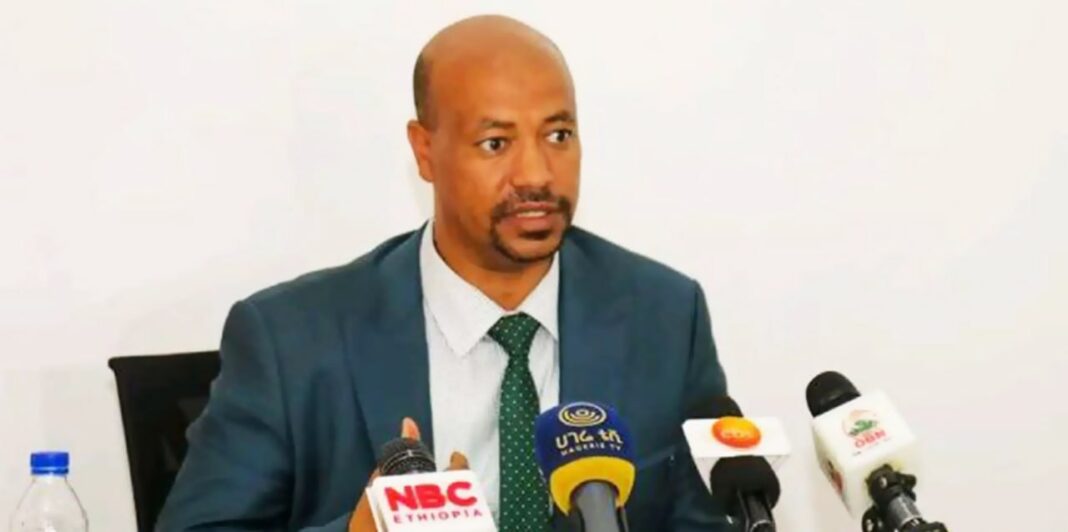
At a press briefing last week, EED Deputy Director General Abdulfatah Yusuf reported that, of the 3,600 new productive enterprises targeted for establishment in the first nine months of the 2024/25 fiscal year, only 2,752 were achieved-a performance rate of 76%. The shortfall, he explained, is largely due to persistent challenges in accessing finance and suitable workspaces.
“Access to financing has become a major problem for small and medium-sized industries,” Abdulfatah said. “Banks have limited access to the loan guarantees they need. Because [enterprises] didn’t have enough money to pay for it, they couldn’t afford it. As a result, they were unable to work because of lack of funding.”
SMEs in Ethiopia typically struggle to meet the high collateral requirements imposed by banks, with some lenders demanding collateral valued at up to twice the loan amount. As a result, less than 1% of Ethiopian SMEs have bank loans, and most rely on personal savings or informal sources for capital5. This “missing middle” phenomenon leaves small businesses more credit-constrained than both micro and large enterprises, a challenge that has persisted despite banking sector reforms and targeted government support7.
Beyond financing, workspace shortages and limited capacity to secure bank loan guarantees further hinder SME growth. “Many enterprises are interested in working but unable to enter the business due to lack of funds,” Abdulfatah noted, also citing coordination gaps between institutions responsible for financing, land allocation, and training.
Nevertheless, EED has reported some progress. Over 6 billion birr in operational loans were disbursed to 1,209 manufacturing enterprises during the period, and machinery worth over 4.3 billion birr was distributed to 889 enterprises through lease financing services. These measures helped create 151,726 new jobs and enabled 1,451 enterprises to produce 902,191 tons of import-substituting products, saving an estimated $1.6 billion in foreign exchange.
Despite these achievements, experts and industry leaders argue that more needs to be done. The total funding gap for Ethiopian SMEs was estimated at $6.1 billion in 2021, with high borrowing costs and limited financial literacy compounding the problem. The lack of tailored financial products, weak coordination among support institutions, and a risk-averse banking sector continue to deter investment in this vital segment of the economy.
Abdulfatah stressed that while the government is working “step by step” to address these issues, a comprehensive approach is needed. “We are not going to be able to do what we can do in a short period of time,” he said, calling for improved collaboration among stakeholders and innovative financing solutions to unlock the full potential of Ethiopia’s SMEs.