
Ethiopia has made notable policy advances to support its green transformation, including the National Circular Economy Roadmap, Plastic Waste Strategy, and Solid Waste Management Proclamation. However, the implementation of these frameworks faces major hurdles that threaten the country’s environmental and economic ambitions.
Senior officials, development partners, and social entrepreneurs recently convened to discuss challenges including regulatory inconsistencies, bureaucratic fragmentation, and funding shortages. While the roadmap offers a strategic framework for achieving sustainable development and economic transformation, uniform implementation across government agencies remains elusive.
Sisay Sintata, Policy Researcher at the Policy Studies Institute, noted that circular economy principles must be integrated across line ministries—spanning industry, labor, skills development, and urban planning—to embed sustainability holistically in national development plans.
Mekdim Gulelat, Country Director of Reach for Change, emphasized the damaging impact of inconsistent and conflicting policies. “The perception and enforcement of circular economy policies vary widely among government offices,” he said. “This inefficiency creates burdensome bureaucracy that stunts the growth of emerging circular businesses instead of supporting their expansion.”
Financial challenges add to the difficulties faced by small- and medium-sized enterprises (SMEs) striving to convert waste streams into economic opportunities. The Ethiopian financial sector is still immature in its capacity to back circular economy startups, which often lack traditional collateral or bankable assets. This limits access to loans and investment. Compounding this is a persistent societal mindset that fails to valorize waste, compelling entrepreneurs to price their sustainable products cheaply and undermining market viability.
On a positive note, Norwegian Church Aid (NCA) is spearheading efforts to legitimize and empower informal waste collectors through its “waste for value” model. Tsegazeab Zegeye, NCA Regional Thematic Advisor, explained how this initiative transforms informal workers into recognized entrepreneurs, providing capacity-building, legal registration, and connections to formal recycling companies. This model offers scalable employment opportunities and strengthens the circular economy’s grassroots.
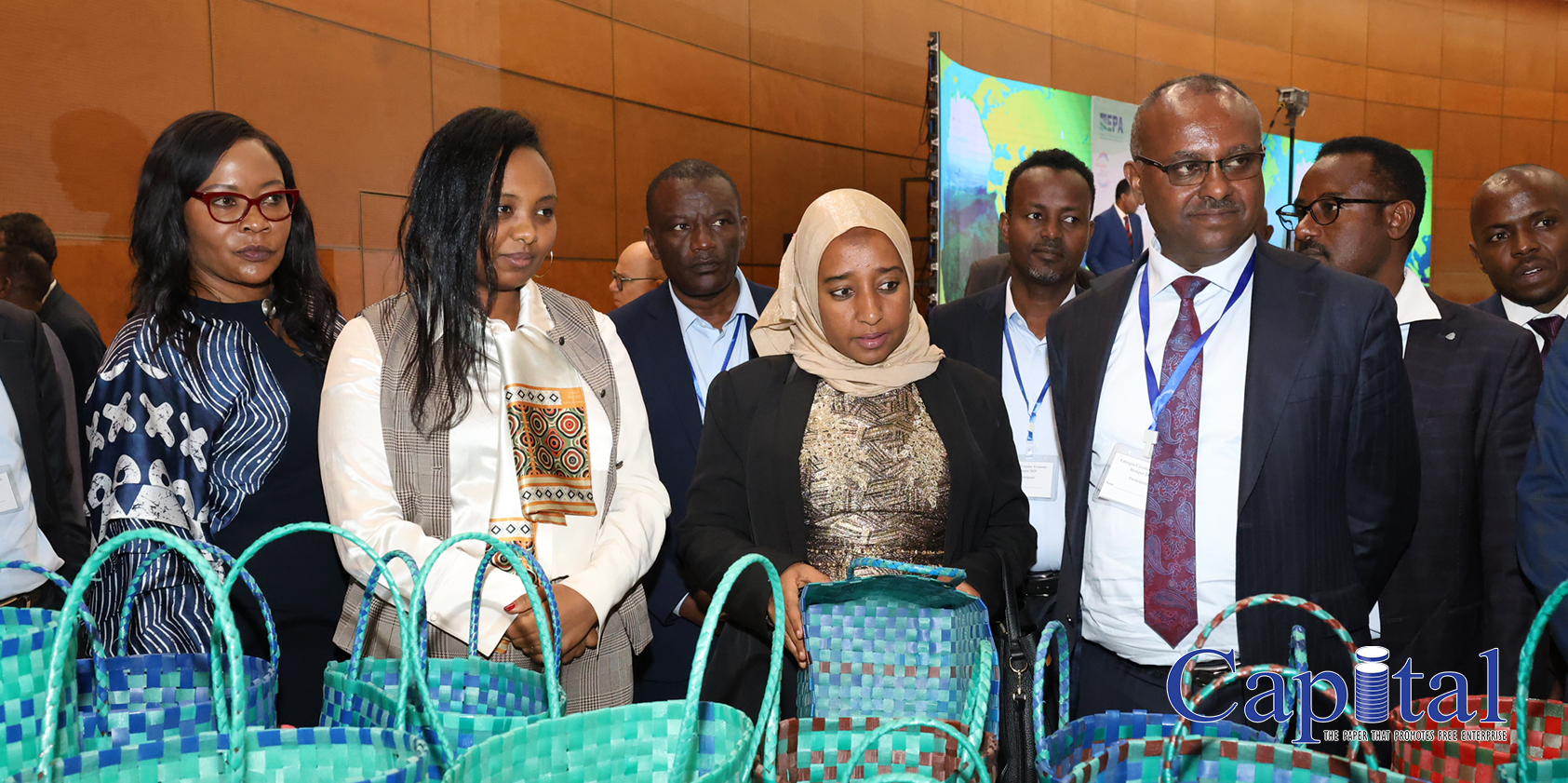
The workshop organized by the Ethiopia Circular Economy Hotspot underlined the foundational role of a circular ecosystem, encompassing waste reduction, reuse, and proper disposal. Lelise Neme, Director General at the Environmental Protection Authority (EPA), stressed that “circular economics is critical for building a sustainable and inclusive economy.” Ethiopia’s national circular economy strategy and waste management laws aim to ensure resource sustainability and environmental stewardship for future generations.
Despite policy progress, without coordinated regulatory action, financial innovation, and heightened public awareness, Ethiopia’s circular economy ambitions risk falling short. A multi-stakeholder approach integrating government, private sector, civil society, and international partners is essential to overcome obstacles and fully unlock the environmental, social, and economic benefits of a circular model.