In a pivotal move to enhance transparency and safeguard foreign exchange earnings, the Ministry of Trade and Regional Integration (MOTRI) has issued Directive No. 1115/2025, mandating that all exporter payments for oilseeds and pulses route exclusively through the Ethiopian Commodity Exchange (ECX). This amendment to Directive No. 1026/2024 eliminates direct bank transfers between exporters and suppliers, addressing longstanding vulnerabilities in these critical export sectors.
Oilseeds and pulses generated over $610 million in the past fiscal year, comprising 7.35% of Ethiopia’s $8.3 billion export revenue, second only to coffee in agricultural contributions. Previously, direct payments fostered non-payment defaults, tax evasion, smuggling, product waste, and quality degradation along extended supply chains. The new system positions ECX as a central guarantor: exporters deposit funds into a dedicated pay-in account, with transfers to suppliers’ pay-out accounts executed within one working day upon joint written request.
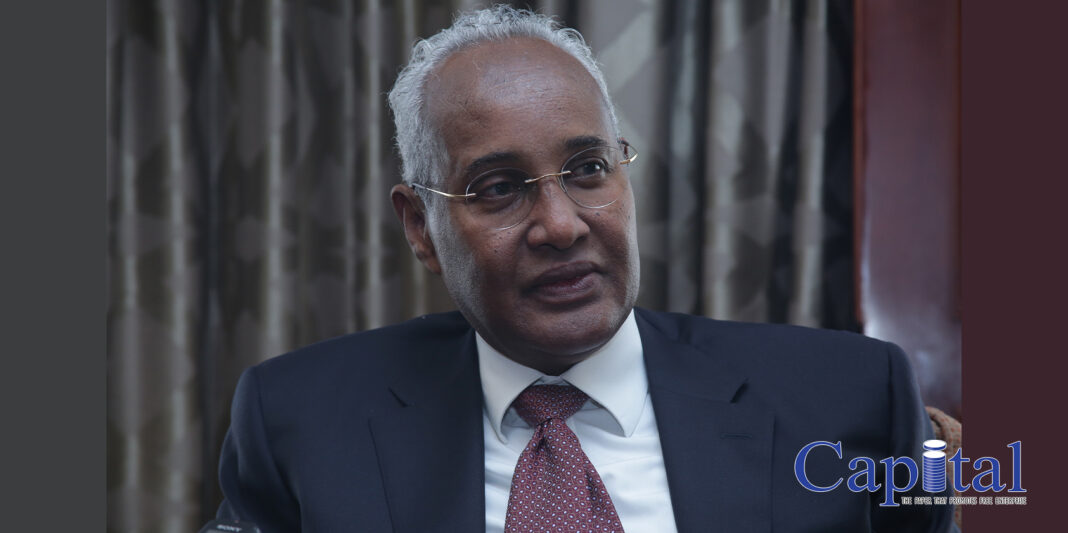
Minister Kassahun Gofe highlighted systemic gaps in direct marketing—initially introduced to cut logistics costs and intermediaries—that eroded sector competitiveness and imposed financial strains on suppliers. “This reform closes loopholes, ensures accurate transaction recording, and provides verified pricing for export applications,” the ministry stated in a memorandum urging ECX, export executives, and regional bureaus for swift implementation.
ECX’s integrated clearing and settlement, already featuring next-day (T+1) payments via partnerships with banks like Commercial Bank of Ethiopia and Dashen Bank, guarantees supplier payments while offering exporters precise quantity and quality data. Experts note this curbs money laundering, boosts revenue tracking, and reduces risks, fostering a competitive environment amid global demand projected to rise from $82 billion in 2025 to $143 billion by 2035.
The directive aligns with broader reforms, including market-driven exchange rates, foreign investor access, and agro-processing emphasis, positioning Ethiopia as a pulses and oilseeds leader. Ethiopia Pulses and Oilseeds Exporters Association (EPOSEA) stresses value chain enhancements for quality, sustainability, and traceability. Initiatives like AGRA partnerships aim to lift domestic edible oil production from 2% to 50% by 2028, empowering smallholder farmers.