Ethiopia, like many African nations, is increasingly vulnerable to the severe health and socioeconomic impacts of climate change, a recent Lancet report reveals. While contributing minimally to global greenhouse gas emissions, Ethiopia endures rising climate-induced extreme weather events—droughts, floods, and heatwaves—that exacerbate public health challenges and threaten sustainable development goals.
The report highlights climate change’s multifaceted effects on Ethiopia’s population health, including increased burdens from infectious diseases, food and nutrition insecurity, respiratory ailments, and the mental health impacts of environmental stress and displacement. Notably, Ethiopia experiences frequent drought conditions that have led to widespread food insecurity and malnutrition, undermining livelihoods and overburdening health systems.
Economic losses from climate-related health impacts hamper Ethiopia’s progress toward poverty reduction and universal health coverage. These losses also strain the country’s capacity to respond effectively to emergencies and maintain essential services amid growing environmental pressures.
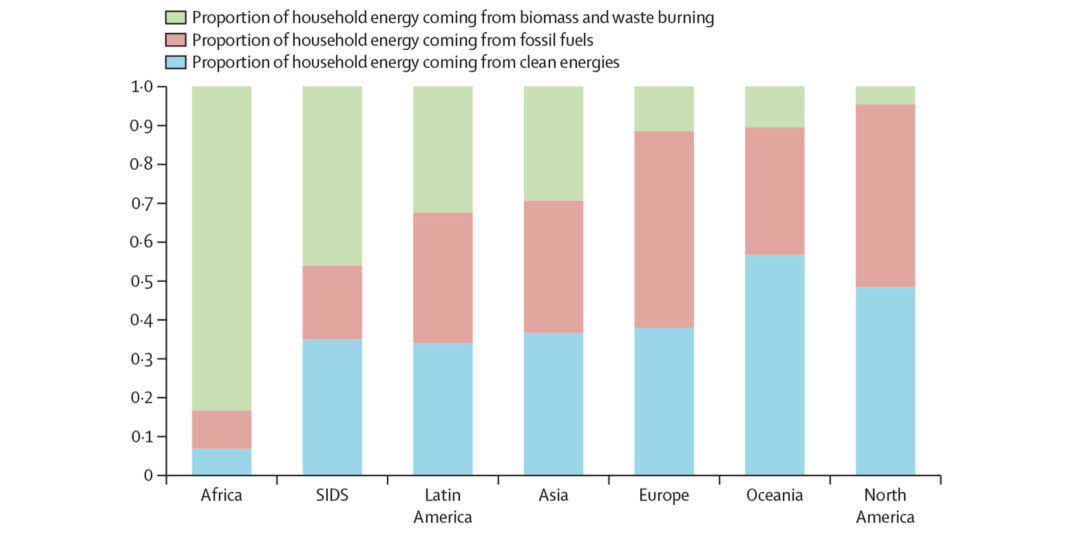
While Ethiopia has significant potential to harness renewable energy—especially hydropower, now accounting for over 90% of its electricity supply—challenges remain in transitioning to clean, sustainable energy sources at scale. Poor air quality due to biomass fuel use and exposure to secondhand high-emission vehicles compound health risks, particularly in urban centers.
In recognition of these threats, Ethiopia has committed to several climate and health adaptation strategies aligned with the African Union’s Agenda 2063 and global sustainable development goals. This includes advancing climate-smart agriculture, improving water security, and mainstreaming climate resilience into national health policies. However, financial resources and technical capacities to fully implement these initiatives remain limited.
The Lancet Countdown Africa initiative is working closely with Ethiopian experts and policymakers to generate localized data on climate impacts and guide evidence-based strategies. Building regional research capacity and enhancing public and political engagement are vital next steps to protect Ethiopian populations and build systemic resilience.
As climate change intensifies, Ethiopia faces an urgent need for scaled-up, equitable financing and innovation in climate adaptation and mitigation. Integrating health-specific responses into all sectors and ensuring vulnerable communities’ protection will be essential to safeguard human well-being and support sustainable development in Ethiopia for decades to come.