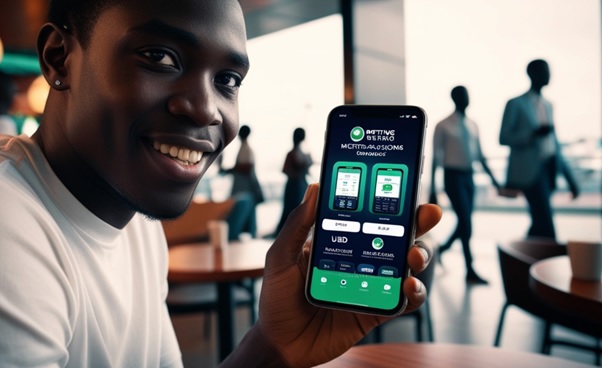
Betting apps are everywhere in Nigeria, but people often miss one big thing: they run on the same tools that drive fintech. They depend on fast payments, low fees, and smooth deposits and withdrawals. Because millions use these apps every day, they end up pushing fintech companies to improve speed and reliability. The growth of one betting app industry feeds the other.
Why Micro-Transactions Matter
In Nigeria, most users deposit very small amounts. These tiny payments, sometimes as low as ₦50 or ₦100, create a huge stream of micro-transactions. That pressure forces payment providers to make their systems cheaper and quicker.
Some apps now let users deposit in seconds, even with a bad network. This constant demand shapes the entire fintech space because no other sector processes small payments at this massive scale. 1xbet nigeria
How USSD Keeps the System Running
USSD codes look simple, but they are the backbone for many bettors. Even without data, users can deposit, check balances, and withdraw from their phones.
Banks and payment companies invested in stronger USSD systems because betting apps rely on them. This push led to better uptime and fewer failed transactions for everyone, not just bettors. It’s a technology upgrade driven by user pressure.
Mobile Wallets Make Payments Smoother
Mobile wallets in Nigeria grew fast because users needed quick ways to move money. Betting apps helped this growth. Many players prefer wallets like OPay, Paga, or PalmPay because:
- Transfers are fast
- Fees are low
- They work well even during peak hours
These wallets learned to handle huge traffic spikes from betting events, which strengthened their platforms for the entire country.
The Hidden Role of Speed
Speed is everything. If deposits are delayed, a user might miss a live game. If withdrawals take too long, trust drops. This makes betting apps a strong test environment for payment companies. To stay competitive, they improved:
- Processing times
- Error handling
- Confirmation messages
- Fraud detection
These upgrades then benefit online merchants and fintech services across Nigeria.
Banks Notice the Trend
Banks in Nigeria now study betting transaction patterns. They saw that customers move money in small, frequent amounts. This helped banks redesign parts of their payment systems to handle low-value transfers more efficiently.
The betting sector unintentionally became a live case study for digital banking habits.
Why Cashless Culture Grew Faster
Nigeria has been trying to go cashless for years. Betting apps gave that push. People moved from physical shops to apps, and this shift made them more comfortable with digital payments. The more they used online deposits, the more they trusted mobile banking and digital wallets. A habit formed without force, because the process felt easy and familiar.
Risk Tools Became More Advanced
With millions of payments going in and out, fraud detection tools became smarter. Fintech companies built systems that can spot unusual patterns, block suspicious accounts, or limit unsafe behavior. These tools later found use in e-commerce, lending apps, and subscription services. Innovation that started in betting now helps protect people in many other areas.
How Competition Improves the System
Every betting app wants to be the fastest. Every fintech company wants to power those fast payments. This competition led to:
- Lower fees
- More payment methods
- Better mobile wallet integrations
- Round-the-clock customer service
It’s a cycle where both sides push each other toward better performance.
USSD as a Lifeline for Rural Areas
People in rural areas often lack strong internet. Betting apps kept them connected by using USSD. The success of USSD in betting proved that low-tech solutions can still deliver high value. Now, many fintech services promote USSD options because they saw how effective it was for bettors who don’t have regular data access.
Micro-Transactions Teach Big Lessons
These tiny payments revealed important patterns about Nigerian users:
- They prefer low-risk spending
- They like fast returns
- They want simple steps
- They trust tools that work during a bad network
Fintech designers use these insights when building new products like savings games, instant loans, and pocket-investing apps.
Mobile Wallets Become Everyday Tools
At first, people used wallets mainly for betting. Later, they started paying bills, buying airtime, and sending money to friends. The wallet became part of daily life because betting normalized it. Once users got used to quick digital payments, they applied that habit everywhere else.
The Future of Fintech Through the Betting Lens
The link between betting and fintech will only grow stronger. As apps expand, they will push for:
- Faster Layer-2 crypto payments
- Better identity checks
- Smarter spending limits
- AI-driven transaction smoothing
Betting apps act as pressure-test machines for new payment tech. If a system can handle its volume, it can handle almost anything.
A Different Way to Look at the Industry
Some people see betting apps as entertainment. Others see them as a challenge for regulators. But from a technology point of view, they are powerful engines that force innovation.
They push payment providers to solve real problems: slow transfers, expensive fees, weak networks, and complex steps. Because of this, Nigeria’s digital finance system becomes stronger.