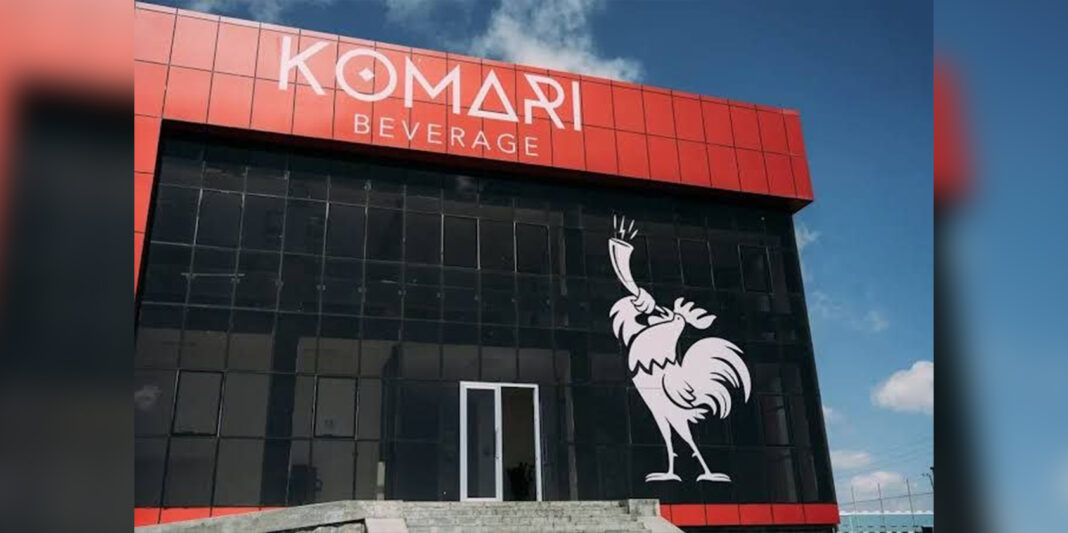
In a surprising turn in Ethiopia’s beverage industry, the much-anticipated acquisition of Komari Beverage by international beer giant Heineken has collapsed, paving the way for Awash Wine Share Company to take over the fast-rising local brand.
Capital has learned from reliable sources that Awash Wine—Ethiopia’s oldest and one of its most successful beverage producers—has reached an agreement to acquire Komari Beverage, known for its flagship product Arada.
The collapse of the Heineken-Komari deal, originally finalized in October 2024, is reportedly linked to shifts in Ethiopia’s macroeconomic landscape. According to Capital’s sources, changes in the foreign exchange regime and a sharp depreciation of the local currency complicated the valuation process and payment mechanisms, leading to the dissolution of the agreement.
“The adjustment of the official exchange rate and fluctuations in foreign currency availability created a mismatch between the value of Heineken’s dollar-denominated investment and Komari’s local valuation,” a source familiar with the matter said.
Following Heineken’s withdrawal, Awash Wine entered into negotiations to acquire Komari and has now reached an advanced stage toward finalizing the purchase.
Executives at Awash Wine say the acquisition of Komari Beverage and the Arada brand will strengthen their competitive edge in Ethiopia’s expanding beverage market. Traditionally recognized for its wine products, the integration of Komari’s “hard seltzer” line positions Awash Wine to tap into a younger demographic seeking lower-calorie alcoholic alternatives.
Despite repeated attempts, Capital was unable to obtain official comments from Komari Beverage management regarding the collapsed Heineken deal or the new agreement with Awash Wine, as the ownership transition is still underway.
Established in 2021 by Ethiopian investors, Komari Beverage has quickly made its mark in the market with its fruit-flavored Arada beverages—lemon, apple, and pineapple blends that appeal to consumers looking for lighter options than beer or spirits. The company’s $29 million plant in the Cheki area of North Shoa Zone boasts a production capacity of 27,000 bottles per hour.
Industry analysts view Awash Wine’s expansion as a strategic move to consolidate its market dominance, while Heineken’s withdrawal highlights the growing challenges international firms face in Ethiopia due to currency volatility and regulatory uncertainty.
Capital will continue to follow this story as further details and official statements emerge from the companies involved.