Micro, small, and medium enterprises (MSMEs)—long recognized as the backbone of the national economy—are gaining renewed access to finance through digital innovation and legal reforms that promise to transform the lending landscape.
For decades, MSMEs have faced chronic credit shortages due to their inability to meet traditional collateral requirements. With most banks demanding fixed assets such as land or buildings as security, many small entrepreneurs without such holdings have been excluded from formal financing channels.
However, recent policy reforms and technological developments are beginning to change that dynamic. According to a high-level forum on MSME financing held this week in Addis Ababa, nearly 4.9 trillion birr in loans have already been facilitated under Ethiopia’s new movable property collateral registry, benefiting close to 10,000 small businesses nationwide.
The initiative stems from the National Bank of Ethiopia’s “Right to Guarantee of Movable Property” framework, which allows assets such as machinery, inventory, vehicles, and livestock to be used as collateral. This reform aims to resolve what experts call the “collateral mismatch” — where about 78% of MSME capital lies in movable assets traditionally unrecognized by banks.
According to the World Bank’s International Finance Corporation (IFC), more than 40% of Ethiopian businesses identify lack of access to finance as their biggest obstacle, and that figure rises to 60% among MSMEs. The new approach is, therefore, seen as a critical step to unlock financial inclusion and stimulate the private sector.
Experts at the forum highlighted emerging innovations such as item-based lending, which provides entrepreneurs with essential tools or materials—like sewing machines, delivery trucks, or inventories—instead of direct cash loans. “Most banks are willing to lend cash,” one panelist noted, “but small business owners often face competing personal expenses, making material-based lending a more reliable option.”
Participants also underscored the importance of maintaining human oversight alongside automated lending processes. Given Ethiopia’s market realities, experts recommended a hybrid model combining digital systems and manual evaluation to ensure responsible lending practices.
Speakers emphasized that the benefits of these reforms extend beyond economics. Many MSMEs operating in conflict-affected regions serve predominantly women and youth, who make up nearly 70% of the sector’s clientele. Expanding credit opportunities for these groups could have wide-reaching social and developmental impacts.
Despite the progress, challenges remain. Limited financial literacy among entrepreneurs and cautious risk attitudes within banks continue to inhibit financing growth. As one participant remarked, “Banks lend you an umbrella when it’s sunny—but when it starts to rain, they take it back. Changing that mindset is the next frontier.”
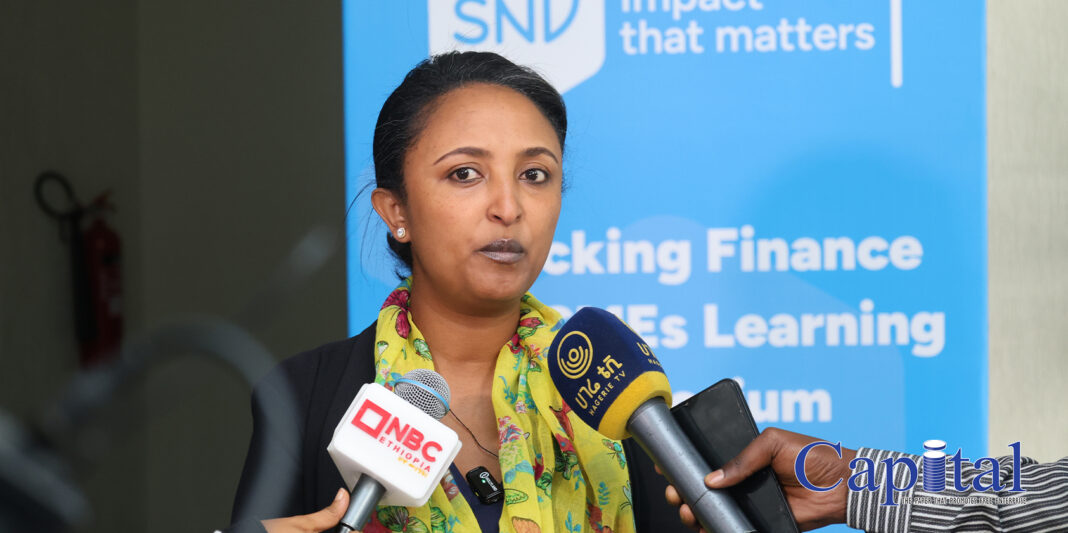
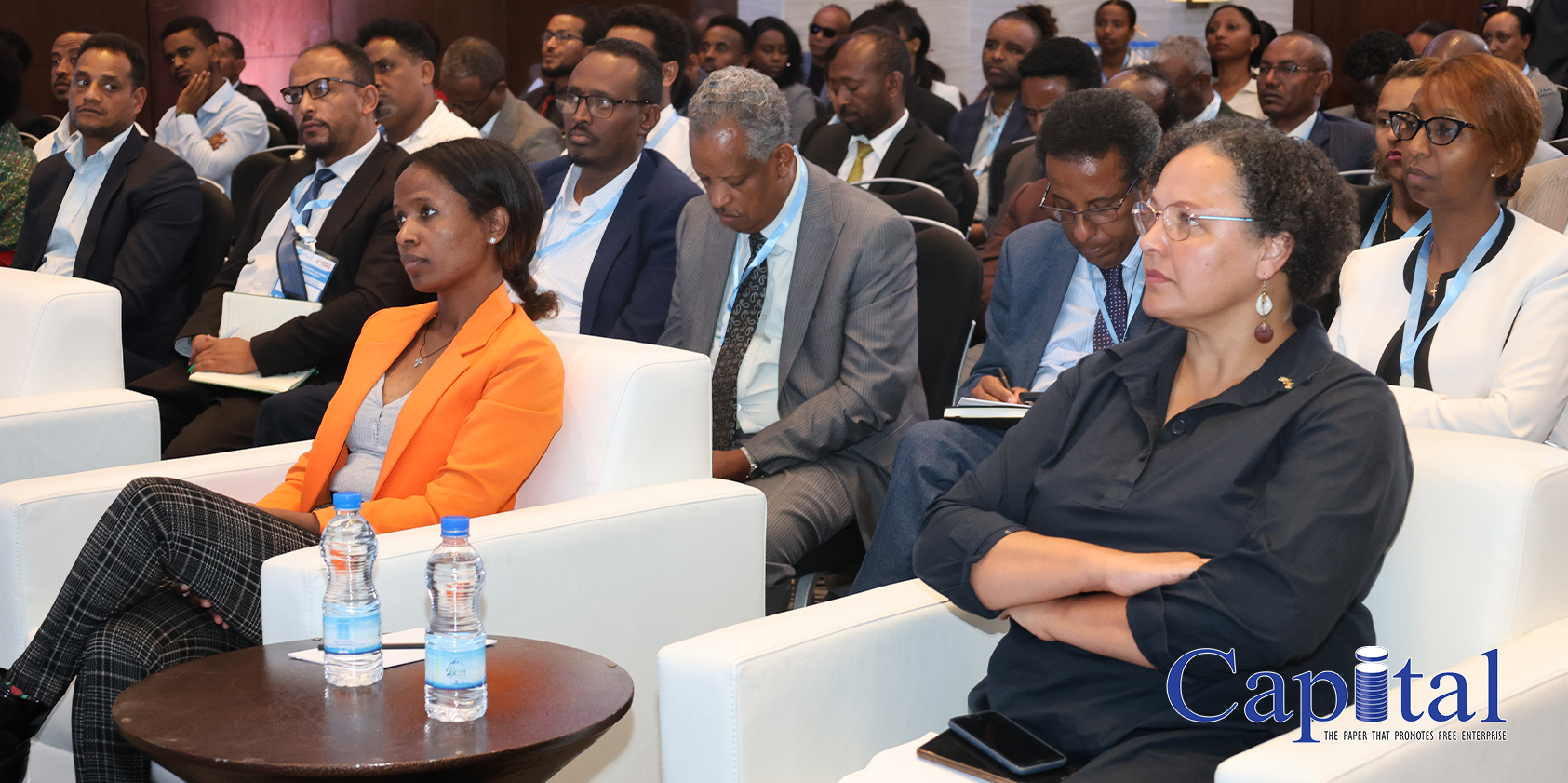
The discussion took place at the International Symposium on Access to Finance for Small and Medium Enterprises in Ethiopia, organized under the SNV LIWAY Project. The forum brought together policymakers, banks, fintech companies, and development partners to explore long-term, technology-driven solutions to Ethiopia’s MSME financing gap.