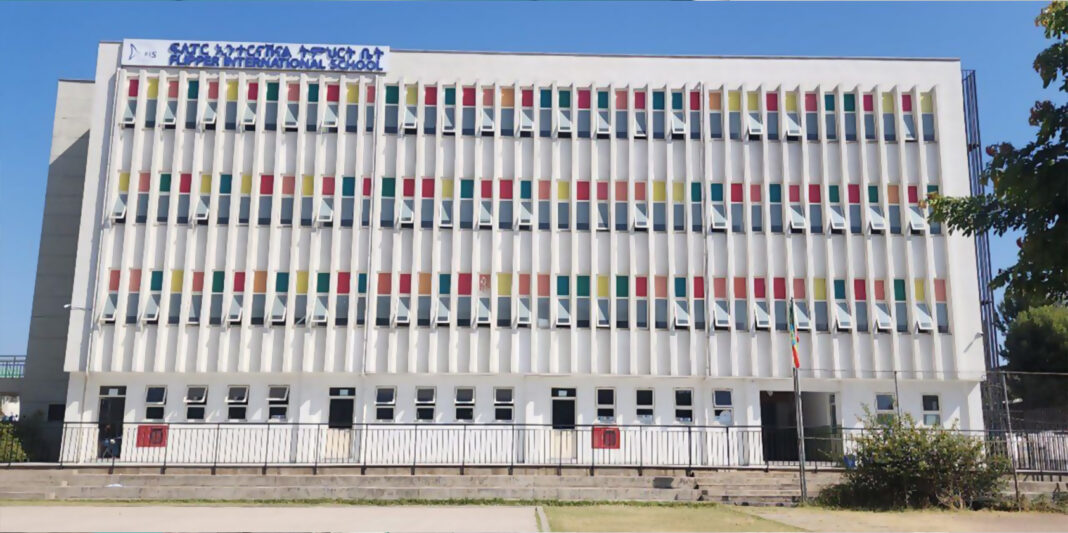
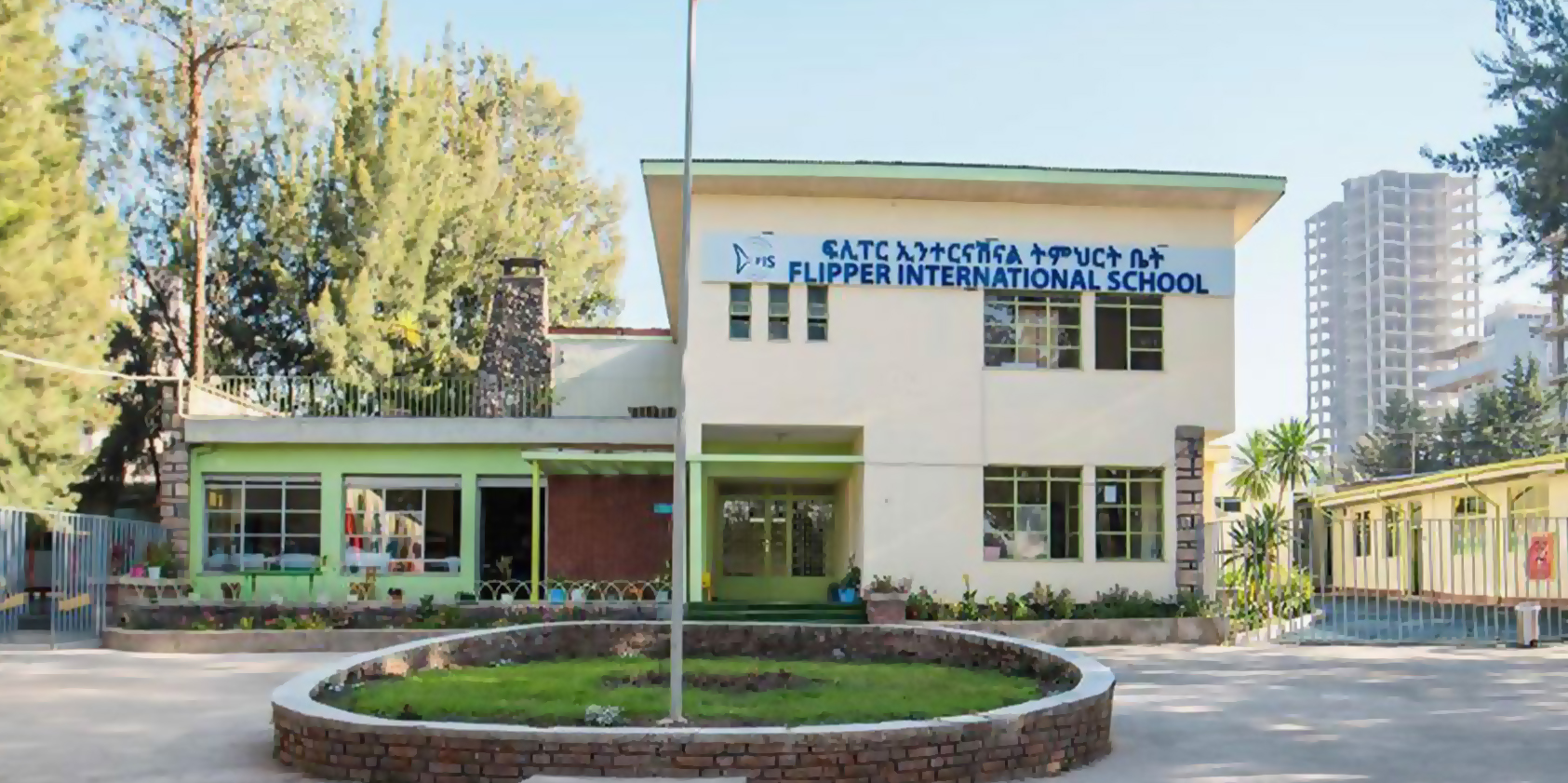
Flipper International School, one of Ethiopia’s private schools, is embroiled in a deepening labour dispute that parents and staff say is undermining educational standards and threatening the future of at least one campus. The standoff pits school management against a teachers’ trade union at a time when the South Africa‑based ADvTECH Group has just completed a full acquisition of the five‑campus institution for USD 7.5 million.
The school, which serves more than 3,500 students across five branches in Addis Ababa, has been gripped for months by tensions over pay, workload and working conditions. Teachers accuse management of ignoring their demands for meaningful cost‑of‑living adjustments despite steep fee hikes charged to parents this academic year. Several parents told Capital that a mood of “malicious obedience” now prevails on campus, with teachers “heartbroken” and demoralised, showing up physically but no longer teaching with commitment.
Union representatives say the dispute began over salary levels and rising workloads but has since escalated into a broader confrontation over respect for teachers’ rights and the quality of education children receive. They point to what they describe as a stark gap between the school’s high income and the relatively low wages paid to teaching staff, arguing that many are struggling to cope with Ethiopia’s soaring cost of living. Parents report that fees have risen by up to 100 percent for some returning families under a so‑called “fee balancing” exercise, pushing semester payments above 60,000 birr in many cases.
Despite this, management has rejected repeated union requests for more substantial pay rises and cost‑of‑living compensation, citing affordability constraints. “The school’s approach is a common act of profiteering to change human dignity with money,” one parent, who requested anonymity, told Capital. “The increase given to teachers when they demand a salary adjustment is very minimal and contemptuous,” the parent added, accusing the administration of prioritising profit over staff welfare.
Tensions peaked in early December when the union prepared to launch a strike, prompting the involvement of security forces and education officials. Under pressure from government bodies, the two sides agreed to suspend strike action and keep the school open on December 6, 2025, citing the broader national situation. However, in follow‑up talks on December 11, management again rejected key salary demands, leaving the core dispute unresolved and morale badly damaged.
Parents say the impact is already visible in classrooms. Reports of teachers being “forced to appear happy” while their grievances remain unaddressed have fuelled fears over learning outcomes. “A broken‑heart teacher can’t teach,” one parent said. “There are situations in which two or three sessions a day are not worthy of a teacher. Our faith in management has been lost.”
Alongside the labour dispute, growing class sizes and facility changes are reinforcing concerns about educational quality. Classrooms that previously held 20–25 pupils now reportedly accommodate 33–35 students, while science labs and libraries are said to be converted into ordinary classrooms to absorb enrolment. Parents also question the rapid opening of new branches, such as the Lancia campus, which they argue were launched without adequate infrastructure or staffing, stretching resources thin.
The Lancia branch faces an additional challenge: an impending forced closure due to land issues. According to General Manager Getaneh Asfaw, the campus sits on leasehold land earmarked by the Addis Ababa City Administration’s Bureau of Land Development and Administration to be handed over to the Oromia Police Headquarters. The school has been allowed to continue operating at the site until the 2025/26 academic year, after which it must vacate. Management says it has yet to secure an alternative location that meets safety and licensing standards, deepening uncertainty for parents and students at that branch.
Parents have also criticised the response of government regulators, including the Education and Training Authority and the Ministry of Education. They argue that official intervention has focused narrowly on whether the school remains open or closed, rather than addressing underlying issues of academic quality and labour rights.
In a response to Capital, Getaneh defended the school’s handling of the dispute, saying management “respects the role of all our employees and their unions” and has implemented wage increases in line with an approved pay equalisation plan. “The union has asked for more than what was given,” he said, adding that “teaching and assessments are ongoing, and we are focused on protecting students’ learning time. We are working with the community to develop a program to revitalise the students’ feelings.”
The controversy comes barely a year after ADvTECH, a major South African private education group, acquired 100 percent of Flipper International School for USD 7.5 million, adding the five Addis Ababa campuses and roughly 3,000–3,500 students to its African portfolio. The deal was touted as a strategic expansion into one of the continent’s fastest‑growing cities, with Flipper praised for its academic record and capacity of over 3,500 learners.