As Ethiopia races toward a market-led economy with capital market reforms at its core, experts warn that accountants and auditors are being sidelined — leaving lawyers to shape the financial future while critical voices on transparency and reporting go unheard.
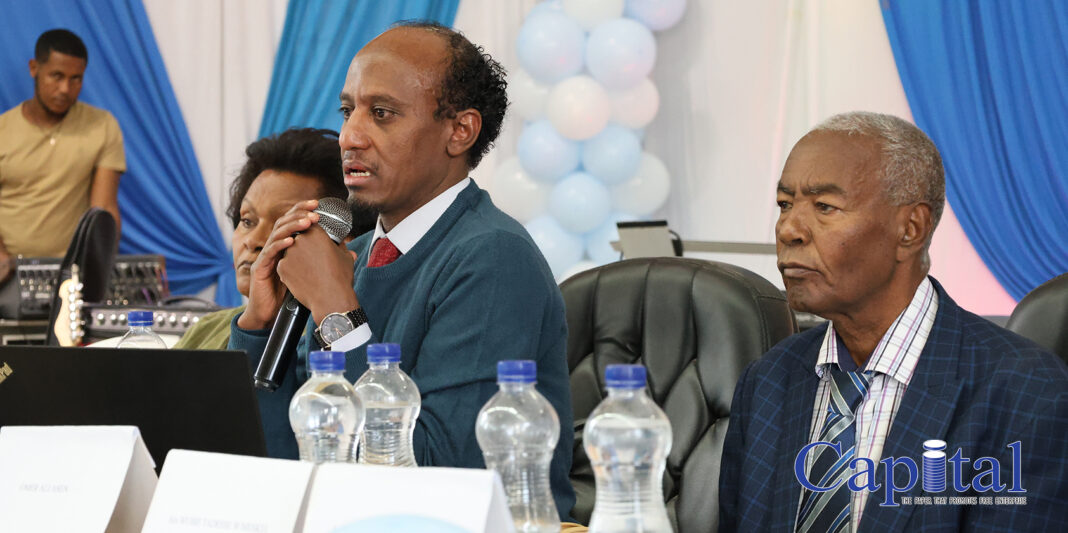
At the Ethiopian Professional Association of Accountants and Auditors (EPAAA) general assembly on 17 January 2026 — marking the body’s 50th anniversary — leadership admitted a painful reality: despite capital markets representing a “golden opportunity” for the profession, accountants have failed to claim their space. Representing over 600 active firms, EPAAA members expressed frustration that legal experts dominate every workshop and technical discussion, even on accounting standards.
“In every public forum on capital markets, lawyers lead — even delivering technical presentations on auditing, not just law,” one board member lamented. “As professionals and an association, we haven’t shown the courage to demand our rightful role.”
Experts emphasise that robust capital markets hinge on reliable financial reporting and independent audits, not just legal frameworks. Without strong accountant input, Ethiopia risks prioritising regulatory formalities over investor confidence through transparent accounts — a recipe for weak markets prone to opacity.
The assembly, held at Addis Ababa University’s Faculty of Business and Economics, also erupted in internal recriminations. Veteran members lambasted leadership for chronic delays in convening assemblies (missing the 90-day post-fiscal-year deadline) and failing to present years of audit reports.
Board member Taye Kebede delivered a stinging critique: “We humiliated our poor country. Stamps were sold fraudulently, false reports certified, government misled. This profession drowns in moral failure.”
“Our lives revolve around days, deadlines and laws,” Taye added, highlighting the irony of accountants flouting timelines.
Leaders defended the delays, citing low turnout — barely 300 of 1,500 members attend despite repeated calls — and stressed their volunteer status. “Criticism ignoring volunteerism and member apathy will stall progress,” the chair responded.
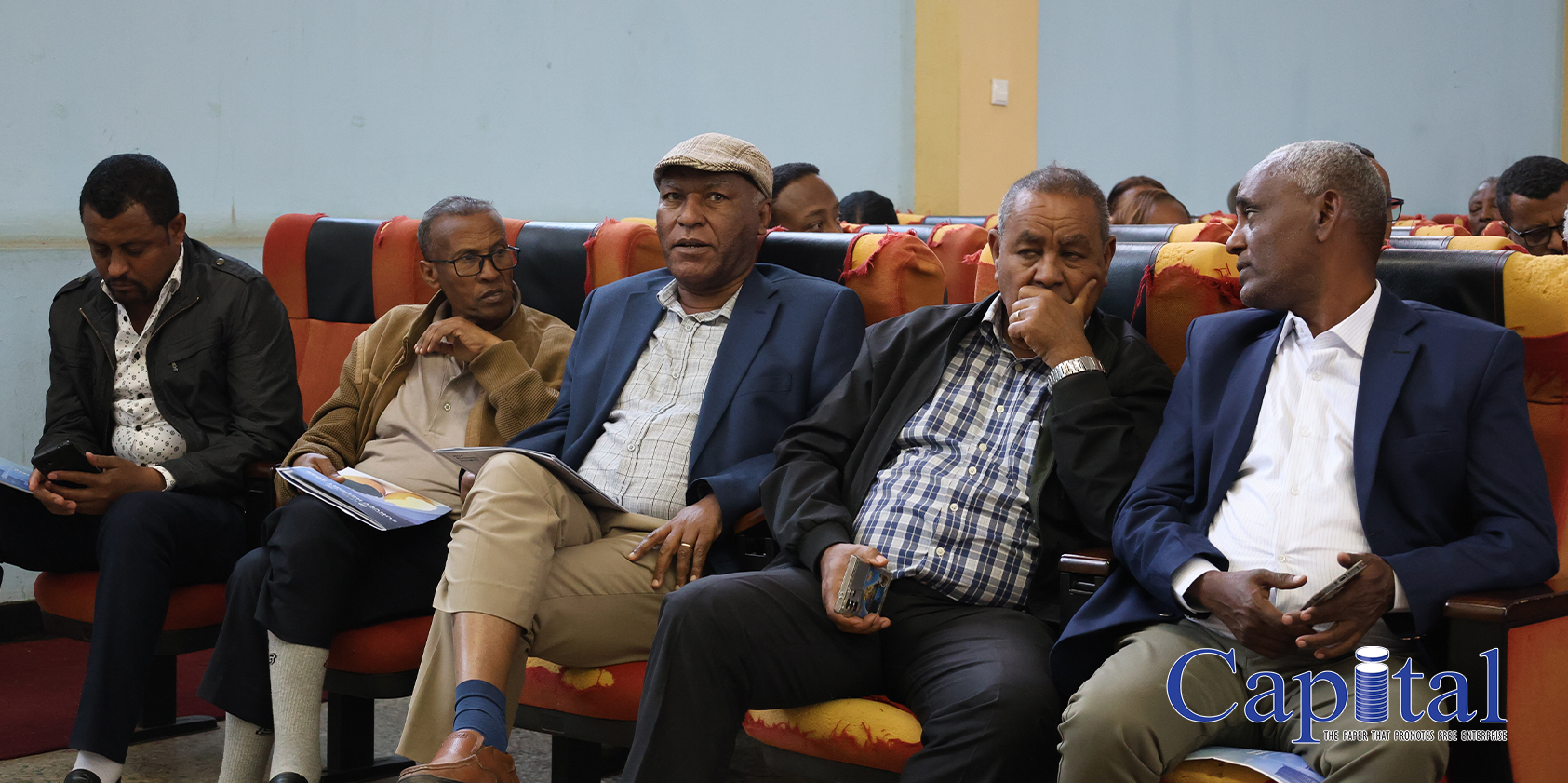
With terms expired amid accusations of duty neglect and legal violations, the board faced wholesale replacement by new appointees.
EPAAA has urged the Accounting and Auditing Board of Ethiopia (AABE) to introduce a “grandfather scheme” — protecting veteran professionals from displacement under new laws lacking transition provisions. “Without it, experienced members who shaped the profession face unemployment,” the association warned, having submitted detailed recommendations.
On taxation, EPAAA is collaborating with the Addis Ababa Revenue Bureau and Ministry of Revenue to ease dual audit burdens, alongside two other professional bodies proposing joint solutions to tax-audit disputes.
The soul-searching comes as Ethiopia accelerates capital market groundwork — licensing exchanges, drafting disclosure rules and overhauling corporate governance. With lawyers steering the legal architecture, accountants fear a lopsided framework where compliance trumps credibility.
As one EPAAA veteran put it: “A market built by lawyers alone may stand legally, but without our voice, it won’t stand financially.” For Ethiopia’s nascent capital markets to inspire trust and attract genuine investment, accountants must step up — before the rules are written without them.