State Minister of Health has issued an urgent plea for international partnerships to combat a dire shortage of chemotherapy drugs and diagnostic tools threatening thousands of children with cancer each year.
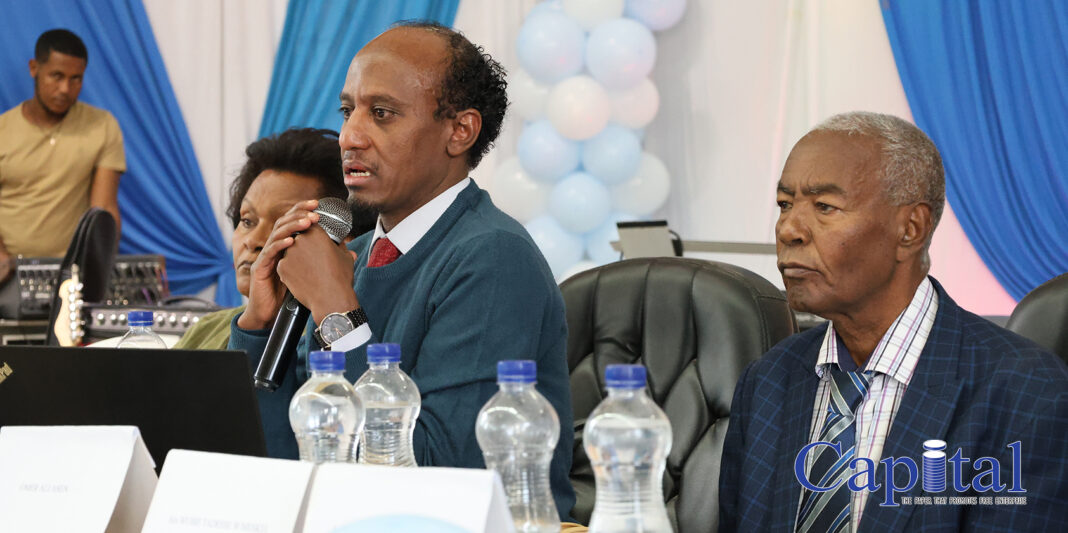
State Minister Dr. Dereje Deguma described childhood cancer as a “nightmare” during the inauguration of the Ethiopian Society of Pediatric Haematology and Oncology (ESPHO), warning that irregular drug supplies force families to abandon treatment midway. With 6,000–8,000 new cases annually — over 10 percent of the country’s 80,000 total cancers — only 20 percent of patients receive timely diagnosis, often arriving at hospitals in advanced stages with slim survival odds.[conversation context]
“Drug availability is inconsistent,” Dr. Dereje stated. “This chronic shortage creates heartbreaking situations where families must stop treatment for lack of medicine.” Despite government subsidies, life-saving chemotherapy remains erratic, compounding low diagnosis rates and limited advanced equipment.
Most patients reach facilities only after the disease progresses severely, when treatment windows narrow dramatically. The minister stressed that global cooperation is essential to secure steady supplies and diagnostic capacity, ensuring Ethiopia’s progress in expanding medical access isn’t derailed.
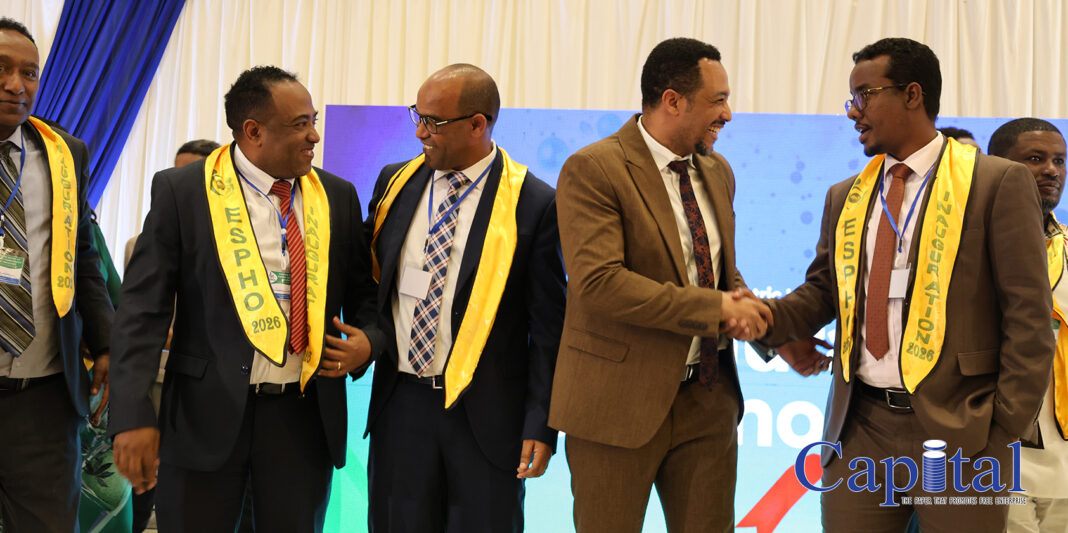
The ESPHO launch signals a professional milestone after 15 years of advocacy by specialists. Previously, childhood cancer treatment was virtually nonexistent; now dedicated units operate nationwide.
ESPHO President Dr. Abel Hailu hailed the pioneers who “carried the torch of hope.” Key milestones include Jimma University Medical Center’s first chemotherapy in August 2016, followed by Mekelle Ayder (2017), Gondar University (2020) and St. Paul’s Hospital (2021). Hawassa, Wollega, Bahir Dar and Ambo hospitals are establishing units, decentralising care beyond Addis Ababa.
“From no service at all, we’re building regional capacity,” Dr. Abel said, crediting over 30 locally trained pediatric hematology-oncology specialists from the past decade.
Ethiopia has transformed a void in pediatric cancer care into functional centres, but experts warn that facilities alone won’t suffice. Skilled manpower growth is promising, yet sustained drug supplies, transparent diagnostics and international support remain critical to convert infrastructure into lives saved.
The minister’s call comes amid broader health system gains — rural outreach, hospital upgrades — but underscores childhood cancer’s unique urgency. ESPHO positions itself as the government’s key technical partner, aiming to professionalise response to a disease once dismissed as rare or untreatable in the region. Without global solidarity, Ethiopia risks consigning thousands more children to preventable tragedy.