Disparate user fees across regions risk undermining the national Social Health Insurance (SHI) system, experts cautioned at a key forum, warning of financial waste, inequity and cutthroat competition for limited funds as coverage expands to government employees and health workers.
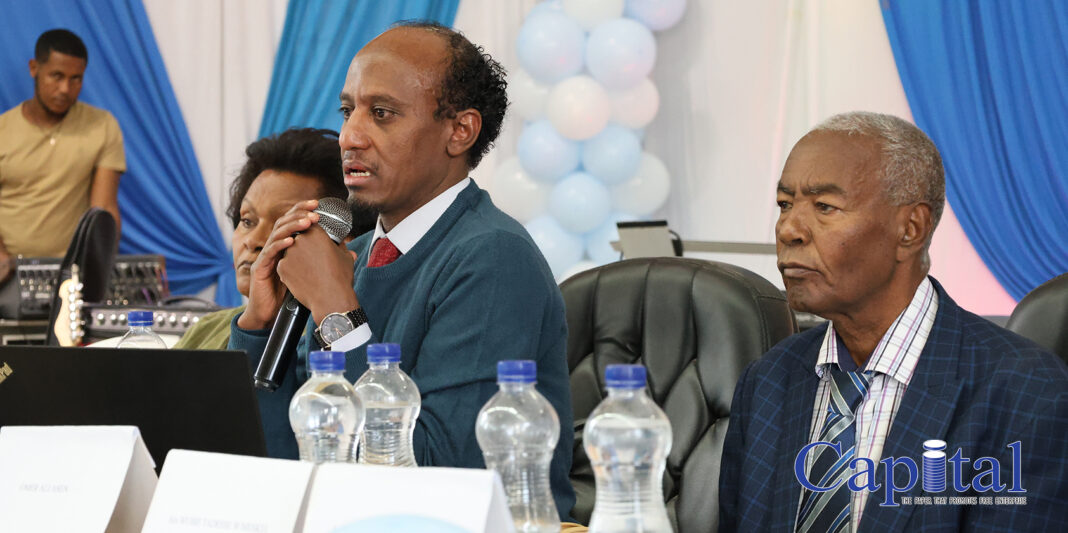
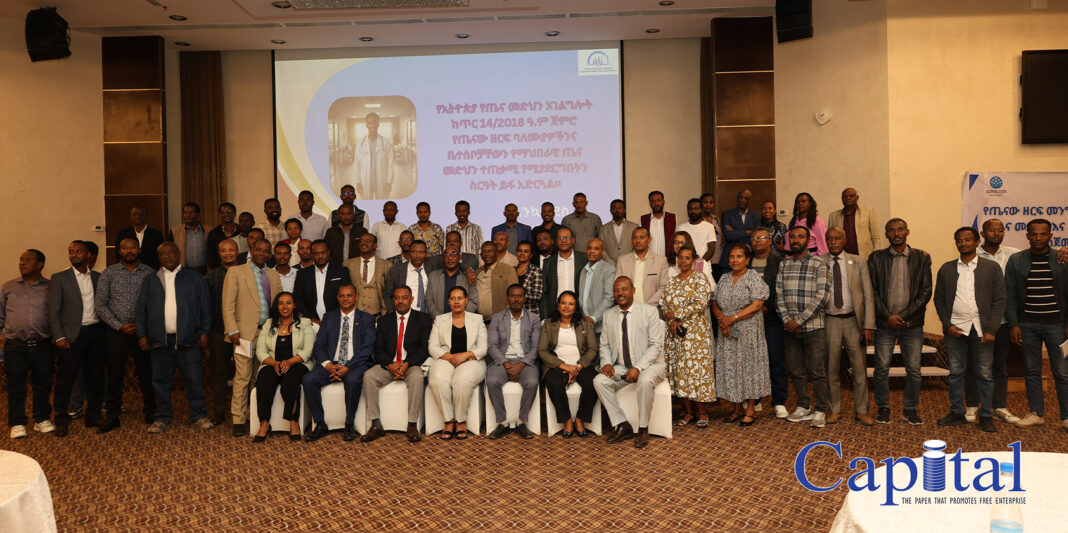
At the 22 January 2026 launch of SHI for public health professionals — where the government pledged to fully cover the expected 6 percent salary contribution — participants flagged inconsistent regional pricing as a “key threat.” While Ethiopia boasts a national SHI framework, implementation falls to regional branches with autonomy to set service fees, creating wild variations for identical treatments.
“Without national fee harmonisation, health facilities will hike prices to capture more from the national fund,” one expert noted. “Regions will compete destructively, draining resources and skewing access unfairly.”
The pooled insurance fund — built on mutual contributions — cannot sustain high-cost regions subsidising identical care elsewhere. A patient in one area might exhaust disproportionate funds for the same procedure, eroding equity and trust.
Registration lags compound concerns. Of nearly 500,000 public health facility employees, only 170,000 (24 percent) have enrolled. The Ethiopian Health Insurance Service blames social media misinformation — rumours of “government wage theft” via 6 percent deductions — alongside hurdles like national IDs, institutional TINs and full family data requirements.
“We’re countering false narratives that insurance steals salaries,” officials stated. “It guarantees their health security.”
Federal employees face access confusion: current rules limit them to federal hospitals, stranding workers in peri-urban areas like Sululta, Burayu, Sebata and Dukem far from such facilities.
Over-reliance on government diagnostics risks service gaps, participants urged. While community pharmacies now link to SHI, specialised care demands broader private inclusion — from labs to clinics — to boost capacity and member satisfaction.
A critical bottleneck: “Health Informatics” shortages. Hospitals lack diploma-level IT staff for data quality, risking inconsistencies, payment delays and breaches. “Without permanent IT professionals and proper structures, the system falters,” one official warned.
Ethiopian Health Insurance Service Director General Tesfaye Worku framed SHI as central to universal health coverage and national productivity. The government fully funds health sector civil servants’ contributions — a “historic” step alongside Community-Based Health Insurance (CBHI) expansion.
In 2024/25 alone, Gudeta Abebe, Executive Lead for Member Administration and Resource Mobilization, reported 7 billion birr allocated to quality care access. “This demonstrates commitment to healthy citizens driving development,” he said.
Yet as SHI scales, harmonised national fees, private sector integration, streamlined registration and IT capacity emerge as make-or-break priorities. Without swift fixes, Ethiopia’s health insurance ambition — equitable coverage for all — risks fracturing along regional, technical and informational fault lines.