The Ethiopian Electric Utility (EEU) has reported a sharp 75% rise in regular operating expenses over the past six months, driven by intensified efforts to modernize aging infrastructure and meet surging national electricity demand.
In its half-year performance review, the state-owned utility attributed the cost increase primarily to investments in smart meters, digital power control systems, and extensive repairs to inefficient low-voltage lines. Additional spending went toward network equipment, including transformers essential for reliable power distribution.
Despite the expenditure jump, EEU achieved strong revenue growth, collecting 52.26 billion birr — 96% of its six-month target. Energy sales formed the largest share at 34.34 billion birr, hitting 98.4% of plan, supplemented by 16.6 billion birr from new customer connections and 1.2 billion birr from property sales and other sources.
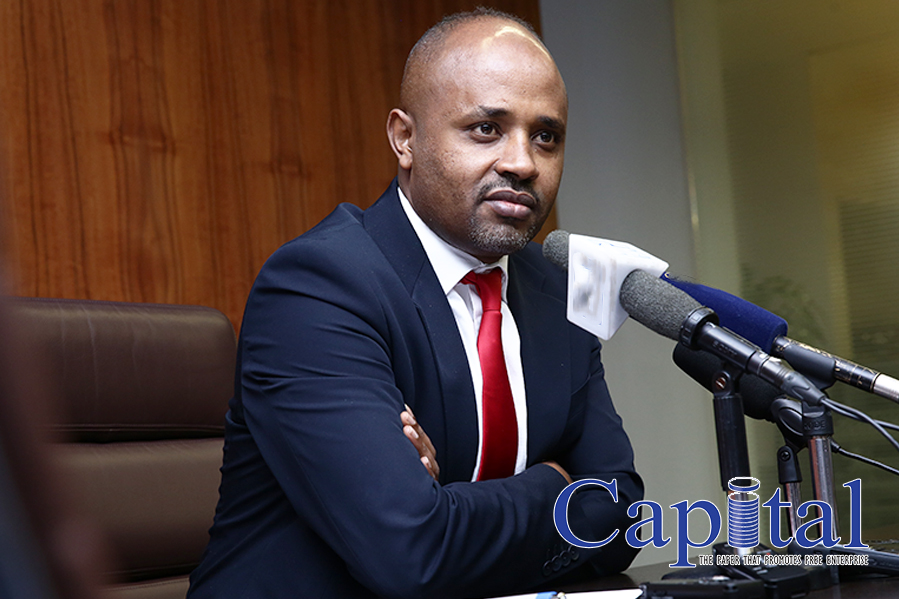
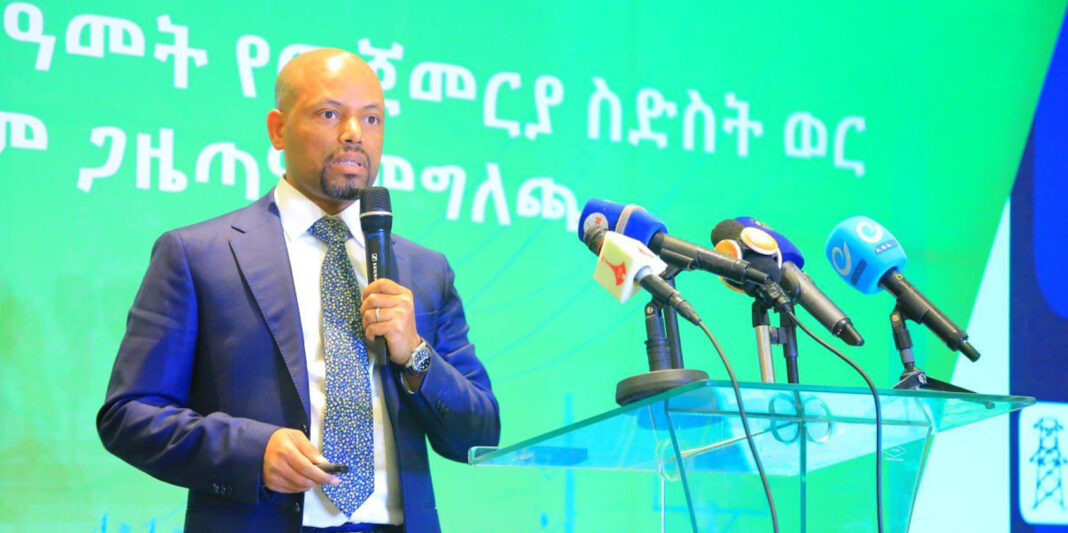
EEU CEO Getu Geremew highlighted bill collection efficiency at 99.5%, crediting widespread smart meter deployment and digital payment systems for minimizing losses and improving revenue recovery.
“We’re pursuing an integrated energy supply model,” Getu said. Of new connections, 74.6% used the traditional on-grid national power network, while 24.4% relied on off-grid solar projects — a balanced approach to rapid electrification.
Ethiopia faces ambitious targets under the new Compact Program, aiming to electrify 300 million people across sub-Saharan Africa by 2030. With roughly 600 million people in the region still off-grid — half in underserved rural areas — the country has significant work ahead.
“Creating access isn’t just about laying wires; it requires strengthening the infrastructure behind it,” Getu noted. EEU exceeded its rural kebele connection goals, energizing 63 sites against a plan of 61, but millions of individual households remain to be connected.
External financing remains critical. World Bank and African Development Bank programs like ADELE and PRIME are channeling over $638 million into expansion projects, supporting both grid upgrades and off-grid solar rollout.
On the capital front, EEU utilized 20.8 billion birr — 90% of its 23 billion birr project budget. Funds primarily supported access expansion, line rehabilitation, and service quality improvements, addressing chronic issues like power theft and outages.
While progress is notable, the utility acknowledged it has reached only 71% of its full-year plan. “We will work hard to close the remaining 29% gap in the next six months,” Getu affirmed.