The International Federation of Freight Forwarders Associations (FIATA) has warned that the era of relying on a single dominant transport mode is over, arguing that the future of global trade will depend on fully integrated multimodal logistics systems. The message comes as Ethiopia seeks to reposition itself as a regional trade and logistics hub amid persistent global supply chain shocks.
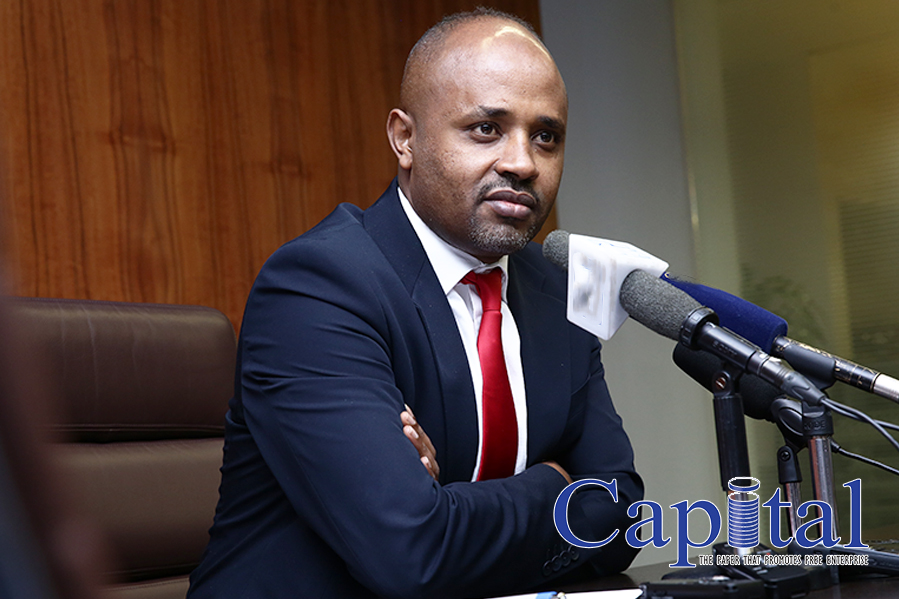
In an interview with Capital, FIATA Director General Stéphane Graber said recent crises — from the COVID‑19 pandemic to the Suez Canal blockage and disruptions in the Red Sea — have exposed the vulnerability of supply chains built around narrow route and mode choices. For landlocked countries like Ethiopia, he noted, these shocks have underscored the cost of depending heavily on a single maritime corridor.
“The future of logistics depends on multimodality,” Stéphane said, stressing that seamless integration between sea, rail, road and air is now essential. “With the focus on environmental protection and the need to reduce carbon, modern systems must combine different modes of transport to ensure efficiency, reliability and optionality.”
Graber’s core argument is that “optionality” — having multiple viable routes and modes at hand — is the best defense against a world of overlapping disruptions. When a canal is closed, a sea lane is compromised, or political risk flares in one corridor, resilient systems can switch cargo to rail, road or air, or reroute via alternative ports and gateways.
For Ethiopia, which is working intensively to diversify port access and strengthen its logistics corridors, this perspective is timely. Ongoing investments in rail links to Djibouti, new dry ports, and enhanced air cargo capacity via Ethiopian Airlines align closely with FIATA’s emphasis on combining modes rather than privileging one over all others.
Stéphane cautioned that the shift to multimodality is not optional for countries hoping to compete in modern trade. It is driven both by risk management and by decarbonization pressures that favour rail and optimized routing over long, inefficient road hauls or poorly planned sea routes.
Beyond physical infrastructure, FIATA sees digitalization as the invisible backbone of multimodal logistics. But Stéphane warned that fragmented digital initiatives can become a new bottleneck if systems cannot “talk” to each other.
“One of the biggest barriers to efficient business is that digital systems are not interconnected,” he said. He urged adoption of UN/CEFACT data standards as a common language for trade and transport documentation, enabling freight forwarders, carriers, customs and banks to exchange data reliably across borders and platforms.
Legal frameworks are also evolving to support this shift. FIATA is actively promoting the UN Model Law on Electronic Transferable Records (MLETR), which gives electronic documents — such as e‑bills of lading — the same legal standing as paper. So far, only a limited number of countries have fully implemented MLETR, but momentum is building.
In parallel, a new UN convention on negotiable cargo documents, ratified at the end of 2025, is expected to transform trade finance by allowing goods transported by land and rail to be represented by secure digital documents that banks can accept as collateral. This could be particularly significant for African exporters, who often face high financing costs and documentation challenges.
Despite the surge of artificial intelligence and automation, FIATA’s chief is clear that logistics will remain a people‑centred business. Technology may accelerate processes and reduce routine errors, but it cannot replace the judgment, problem‑solving and coordination that freight forwarding requires.
“Cargo transfer work will still continue to be a people’s job,” Stéphane emphasized. The complexity of international regulations — from European security regimes such as ICS2 to emerging environmental and customs rules — demands better‑trained professionals, not fewer.
To this end, FIATA is working closely with the Ethiopian Freight Forwarders and Shipping Agents Association (EFFSAA) to expand high‑quality training. EFFSAA has rolled out FIATA diploma programmes, “train‑the‑trainer” schemes and targeted initiatives for women in logistics, with support from the Ministry of Transport. These programmes are designed to build a cadre of local professionals capable of navigating increasingly demanding global standards.
Ethiopia’s selection as host of the 64th FIATA World Congress in 2027 is being framed as both recognition and responsibility. Stéphane describes the event not as a one‑off showcase, but as the culmination of a “three‑year journey” of reform and capacity‑building in the region’s logistics sector.
“For FIATA, the 2027 congress is not an ordinary day to put on the calendar,” he said. “It’s an ongoing process, it’s a three‑year journey to get to Congress.” That journey involves coordinated work between FIATA, EFFSAA and Ethiopian authorities to modernize legal frameworks, promote digital standards, and strengthen multimodal infrastructure before delegates arrive.
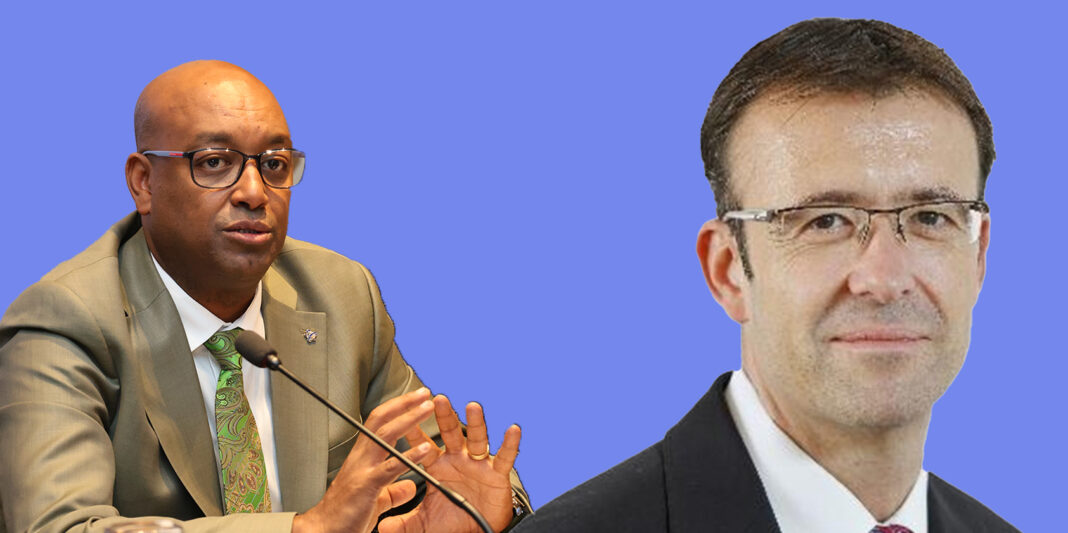
EFFSAA President Dawit Woubishet noted that Ethiopia secured the congress after several unsuccessful attempts, finally winning against bids from the Czech Republic, Israel and Brazil with around 85 percent of the vote. Improved security, the transformation of Addis Ababa’s urban landscape, the presence of world‑class conference centres such as the AU headquarters, Adwa complex and UNECA, and the rapid expansion of quality hotels all contributed to the successful bid.
Roughly 2,000 logistics professionals are expected to attend the congress, which is projected to generate significant tourism and conference revenue for Ethiopia and support the broader development of its service sector. Importantly, organizers aim for 600–700 African participants, leveraging Ethiopian Airlines’ extensive network to deepen intra‑African trade ties in the era of the African Continental Free Trade Area (AfCFTA).