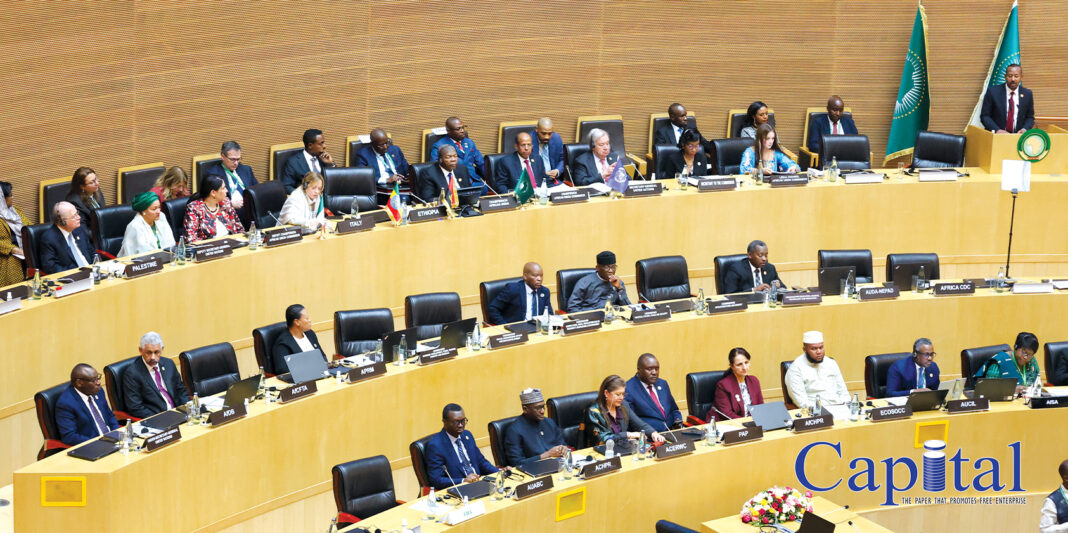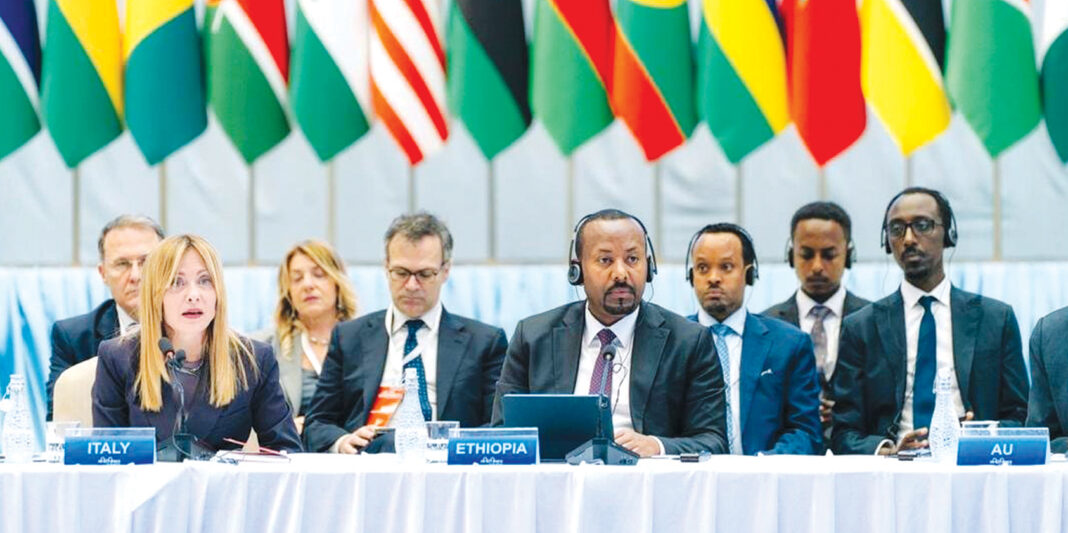
The Second Italy–Africa Summit convened in Addis Ababa on Friday, marking a pivotal moment in relations between Europe and the African continent. Co-hosted by Ethiopia and Italy, the high-level forum is being held on African soil for the first time, underscoring a renewed commitment to structured, long-term collaboration under Italy’s Mattei Plan for Africa.
Ethiopian Prime Minister Abiy Ahmed and Italian Prime Minister Giorgia Meloni are leading the talks, which coincide with the 39th Ordinary Session of the African Union Assembly. The summit aims to move beyond dialogue toward concrete outcomes, with discussions focused on trade, investment, energy, infrastructure, agriculture, and innovation.
In his opening address, Prime Minister Abiy framed the gathering as a “defining moment” for Africa-Europe relations. He emphasized the potential of combining Africa’s youthful dynamism with Europe’s experience and capital to unlock unprecedented growth.
“By combining Africa’s energetic and creative population with Europe’s experience, technology and capital, we can build solutions that deliver prosperity to our continents and beyond,” Abiy stated. He welcomed Italy’s Mattei Plan, noting it aligns with Ethiopia’s homegrown economic reforms in renewable energy, digital transformation, and infrastructure development.
United Nations Secretary-General António Guterres described the summit as “a light in a world of growing divides” amidst global geopolitical fragmentation. He urged that partnerships focus on advancing the Sustainable Development Goals and Agenda 2063, calling for urgent reforms to close the financing gap facing developing nations.
“Arica’s success is essential for a safer, more equal and more sustainable world,” Guterres said.
Hosting the gathering in Addis Ababa—the seat of the African Union—reinforces Ethiopia’s role as a platform for multilateral engagement. The summit is distinct from the upcoming “Invest in Ethiopia 2026” business forum scheduled for March. Leaders concluded the opening session with a call for a redefined partnership based on dignity and shared prosperity, rather than dependency.