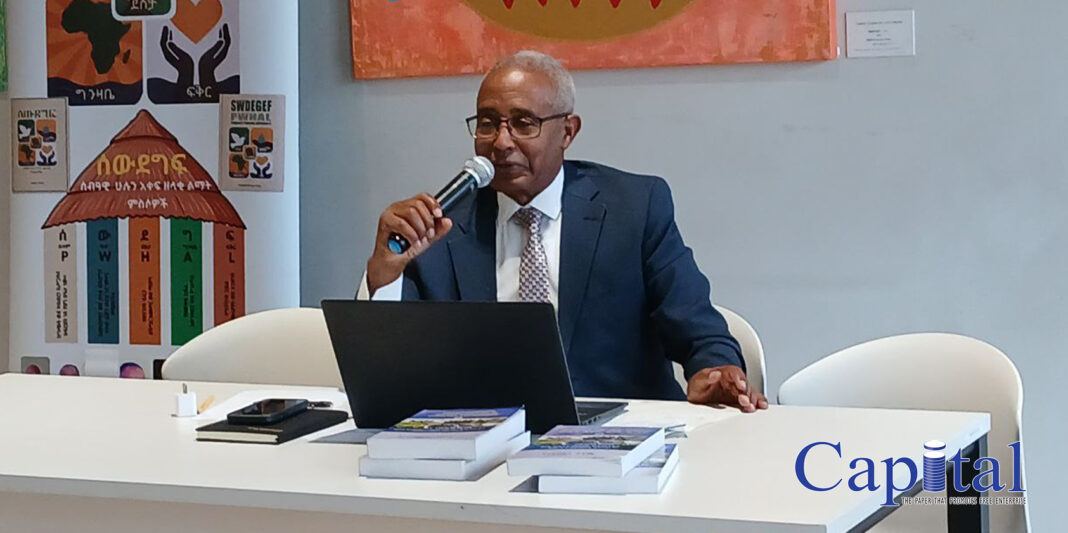
The Swdegef (ሰዉ ደግፍ) book, authored by Eng. Banteyihun Tezazu and launched three months ago, is rapidly transforming from a literary work into a large-scale international socio-economic movement.
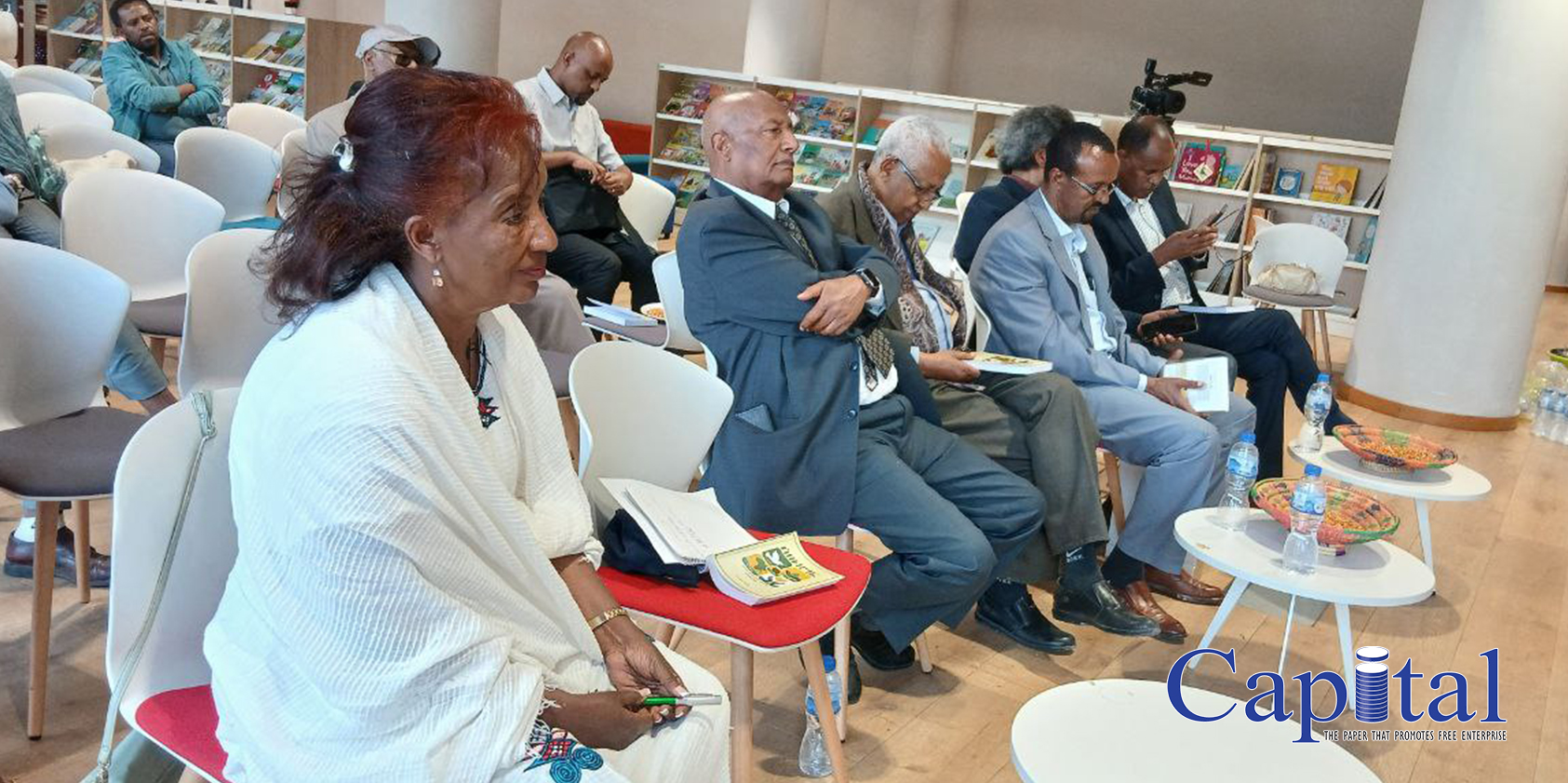
During a high-profile gathering at Abrehot Library, university presidents, ministry representatives, and distinguished scholars from across Ethiopia convened to witness the unveiling of the LEAP program—a strategic framework designed to translate the book’s principles into concrete national development efforts.
The movement seeks to generate both intellectual and physical momentum for Ethiopia’s ongoing transformation, urging institutions to move beyond traditional academic boundaries toward a model of rapid, leapfrog development.
At its core, the Swdegef movement is built on four foundational values and five symbolic pillars: Peace, Water, Happiness, Awareness, and Love. As explained during the forum, it redefines human support not as unconditional charity but as a system of reciprocity and mutual exchange. The movement’s leaders emphasized that free aid should be reserved exclusively for children and those physically unable to work, while the rest of society advances through collaborative productivity.
Developed through contributions from rural students to high-level professionals in Canada—and enhanced with Artificial Intelligence tools that synthesized hundreds of data points—the Swdegef book integrates scientific solutions with global experiences.
A major focus of the discussion centered on the “Awareness and Knowledge” pillar. Scholars noted that despite Ethiopia’s abundant natural resources and rich history, the education system has failed to progress in step with global civilization or respond effectively to local realities. This stagnation, they argued, has contributed to poverty and migration. To bridge this gap, the LEAP (Lead, Engage, Act, Prosper) program was introduced as the “new plow” for education.
Under this vision, universities are expected to take the lead in regional economic transformation—encouraging professors and students to engage directly with farmers and traders. Instead of producing theoretical research, institutions would prioritize practical, problem-solving initiatives that enable graduates to become job creators rather than job seekers.
The movement also aspires to harness the Spirit of Adwa, combining modern technology and Artificial Intelligence with the collective labor of 120 million Ethiopians to form a “Hybrid Force.” Through its branch in Toronto, Canada, Swdegef aims to connect Diaspora knowledge and capital with local dedication and energy. This synergy is expected to accelerate the construction of infrastructure—including bridges, roads, and health centers—within months rather than decades, relying on indigenous wealth instead of foreign debt.
University leaders were challenged to transform their institutions from “degree factories” into dynamic centers of community impact, where a student’s graduation is measured by tangible contributions to society.
To ensure sustainable growth, the Swdegef Association plans for 90% of its revenue to be self-generated through its own services and initiatives. Key income streams include the Reciprocity Revolving Fund from affiliated associations, sovereign Diaspora investments, fees from a Digital Academy serving international organizations, value addition to natural resources, and membership contributions.
The event culminated with university presidents signing the LEAP Protocol, marking a historic pledge to transform Ethiopian education into an engine of action—and positioning the nation as a driving force in global prosperity.