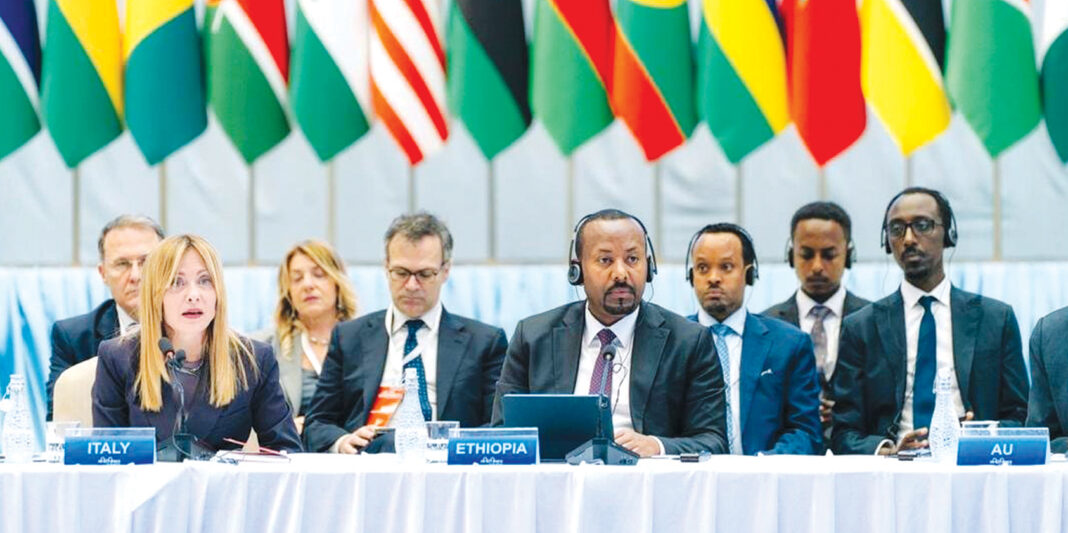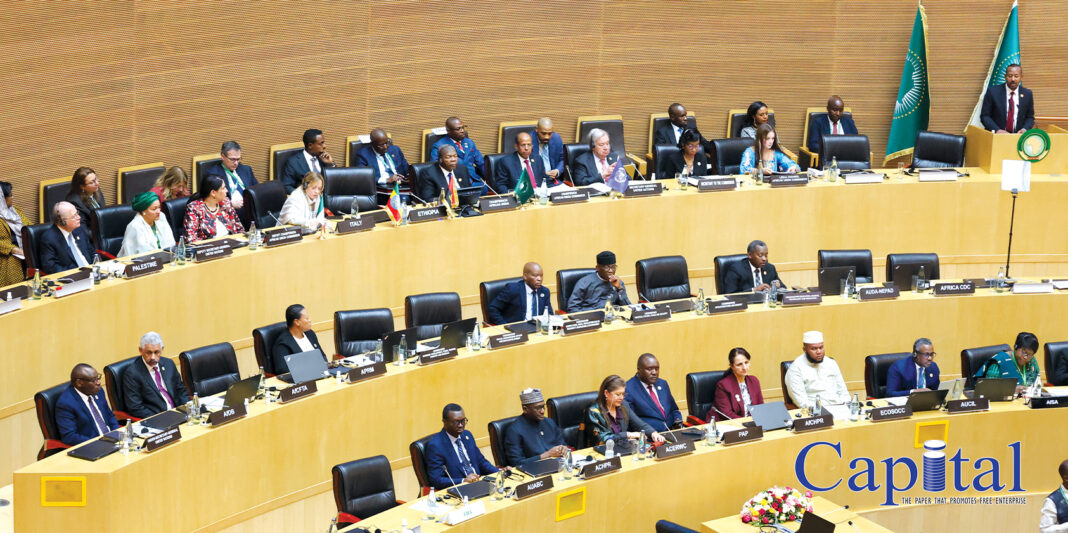
The African Union delegation turned the continent’s development trajectory towards a silicon (technology) and a sustainability. At the 39th Ordinary session of the African Union (AU) in Addis Ababa, Ethiopia, African leaders unveiled a 10-year implementation plan to make the continent a leading engineer of the digital age beyond the benefits of technology.
At the heart of this change are three key strategies: the African Strategy for Science, Technology and Innovation (STISA-2034), the Continental Technical and Vocational Training Strategy (2025–2034), and the African Continental Education Strategy (CESA 26–35).
Together, the initiatives aim to convert Africa’s scientific potential and youthful population into economic value generated on the continent — breaking with the long-standing model of exporting raw materials while importing finished goods.
Gaspard Banyankimbona (Prof.) AU Commissioner for Education, Science, Technology, and Innovation (ESTI), described the initiative as urgent and transformative.
“Africa is currently at a crossroads,” Banyankimbona warned during a briefing at AU headquarters, “If we don’t invest in our children’s minds today, we will pay the price for the instability, inequality, and dependence that will come tomorrow.”
According to the Centers for Disease Control and Prevention, 80% of 10-year-olds in Africa are unable to read or understand simple texts. While Africa’s youth population is projected to double by 2050, this “youth surplus” could become a “suicide bomb” if the education system is not changed urgently, leading to unemployment and skills loss, the commissioner said.
To counter this, the new Education and Skills Development Decade of Transition (2025–2034) sets clear goals.
By 2034, it is planned that every African child will have basic literacy skills, as well as the skills needed for a green and digital economy. It is stated that the “green and digital” transition is not just an empty word spoken in the halls of the Union, but also the basis of the STISA-2034 strategy.
The plan focuses on areas where Africa seeks to achieve global competitiveness, namely agriculture, health, energy, digital technology and the environment.
“Africa is no longer limited to exporting raw materials and importing manufactured products,” Banyankimbona said. “Our ambition is to use our own talents to create value on African soil.”
A major shift involves re-branding Technical and Vocational Education and Training (TVET). Long viewed as a “second-best” option for those who failed academically, the new strategy positions TVET as the engine of the African Continental Free Trade Area (AfCFTA), moving from a “training for a job” mindset to “empowerment for innovation,” promoting entrepreneurship, digital skills, and advanced manufacturing.
Programs such as the Presidential Youth in Artificial Intelligence (AI) and Robotics Competition, as well as the establishment of national innovation centers in all 55 member states, are the main ones.
To ensure these goals are not just “paper promises,” the Union officially launched the Africa Education, Science, Technology, and Innovation Fund (AESTIF). Established in partnership with the African Development Bank (AfDB), the fund aims to bridge the massive investment gap in Research and Development (R&D).
Member states are strongly asked to allocate 1 percent of their gross domestic product (GDP) to research and development. A new Pan-African Creative, Educational, and Cultural Competency Index is also used to track the process.
Despite the ambitious agenda, leaders acknowledged that ongoing conflicts in Sudan, the Democratic Republic of the Congo, and parts of the Sahel continue to divert political attention and financial resources.
Mahmoud Ali Youssouf, AU Commission Chairperson, emphasized that governance reform is essential for sustainable development, highlighting the role of the African Peer Review Mechanism in strengthening institutional resilience (APRM).
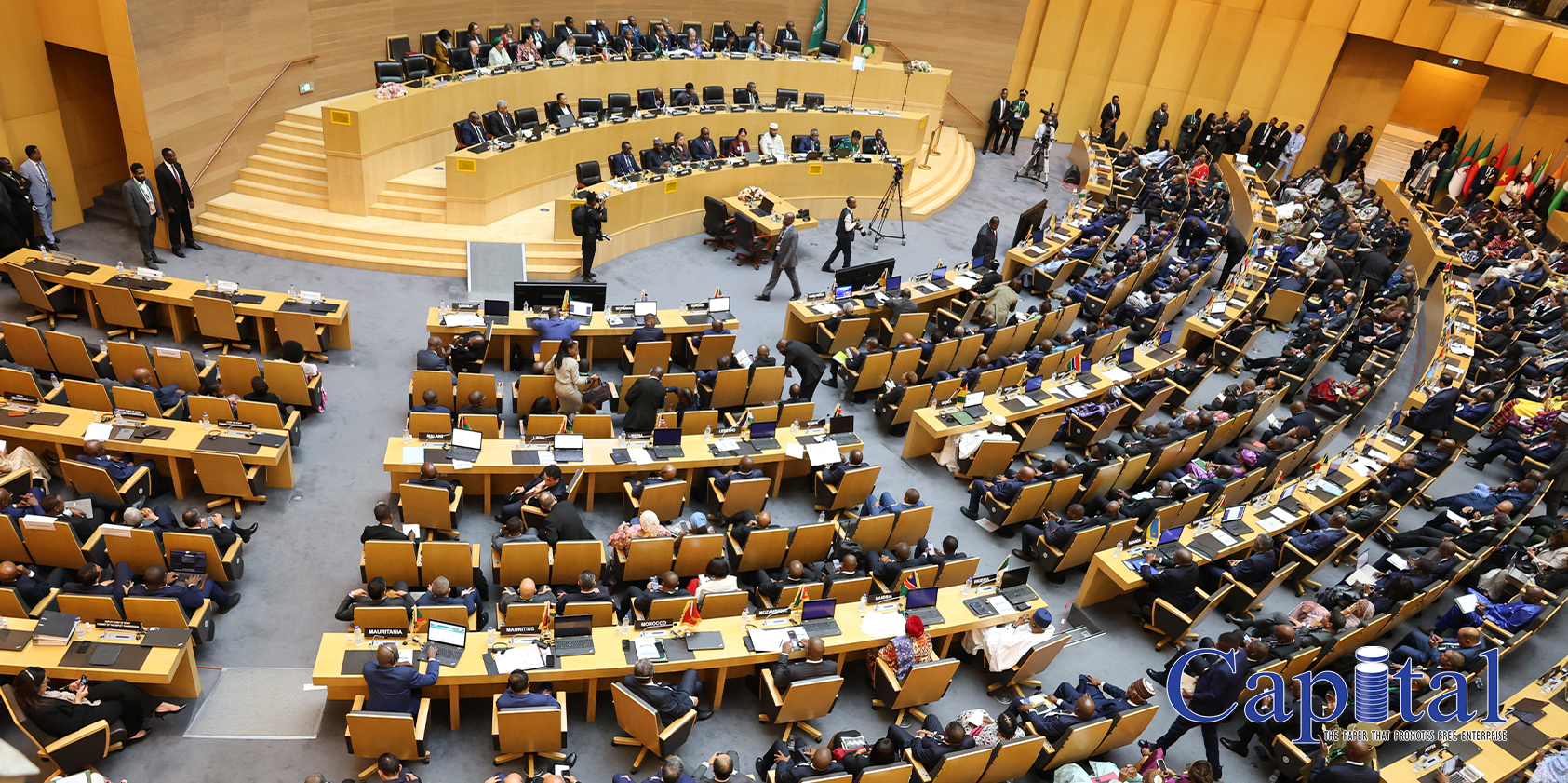
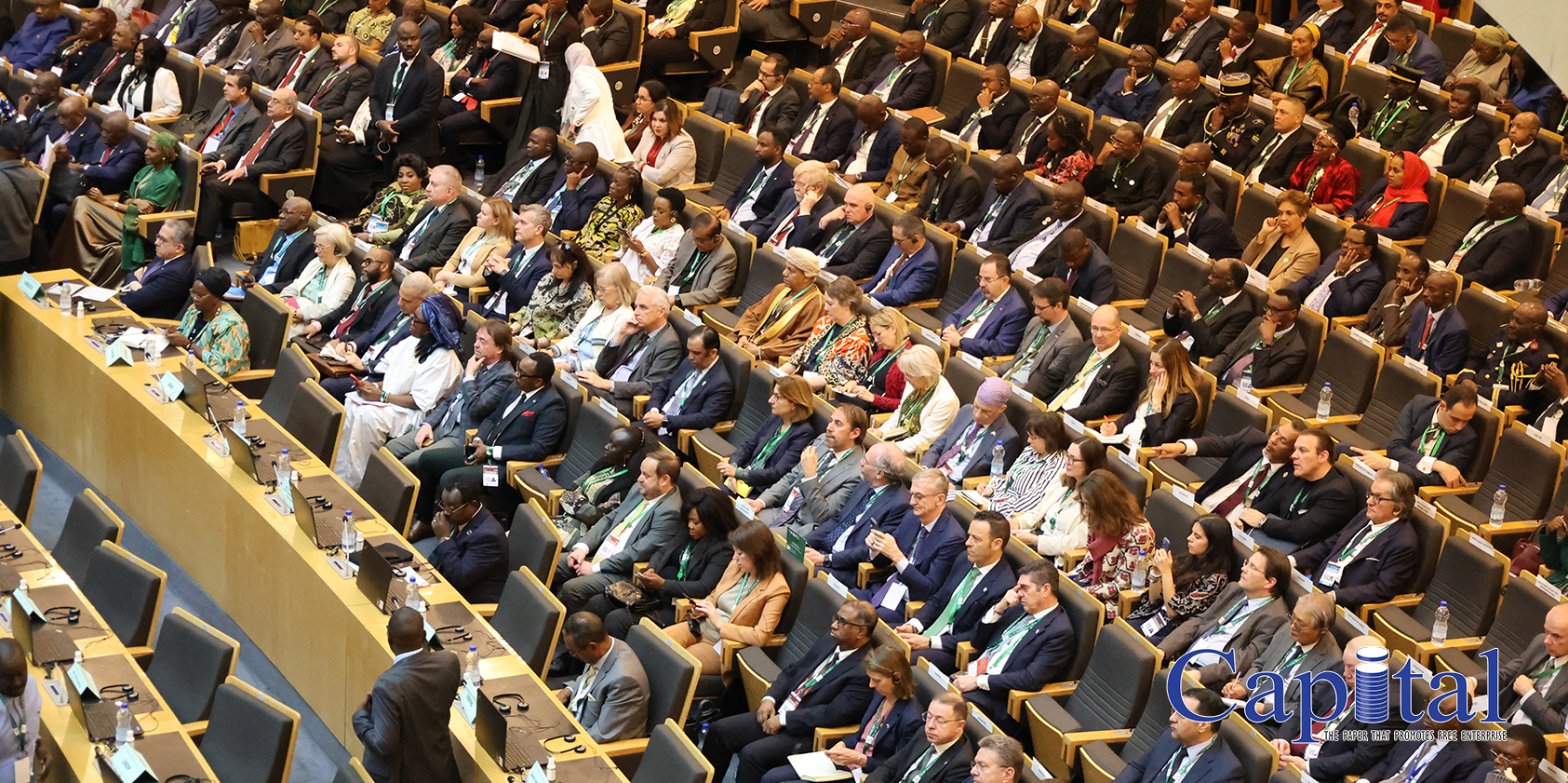
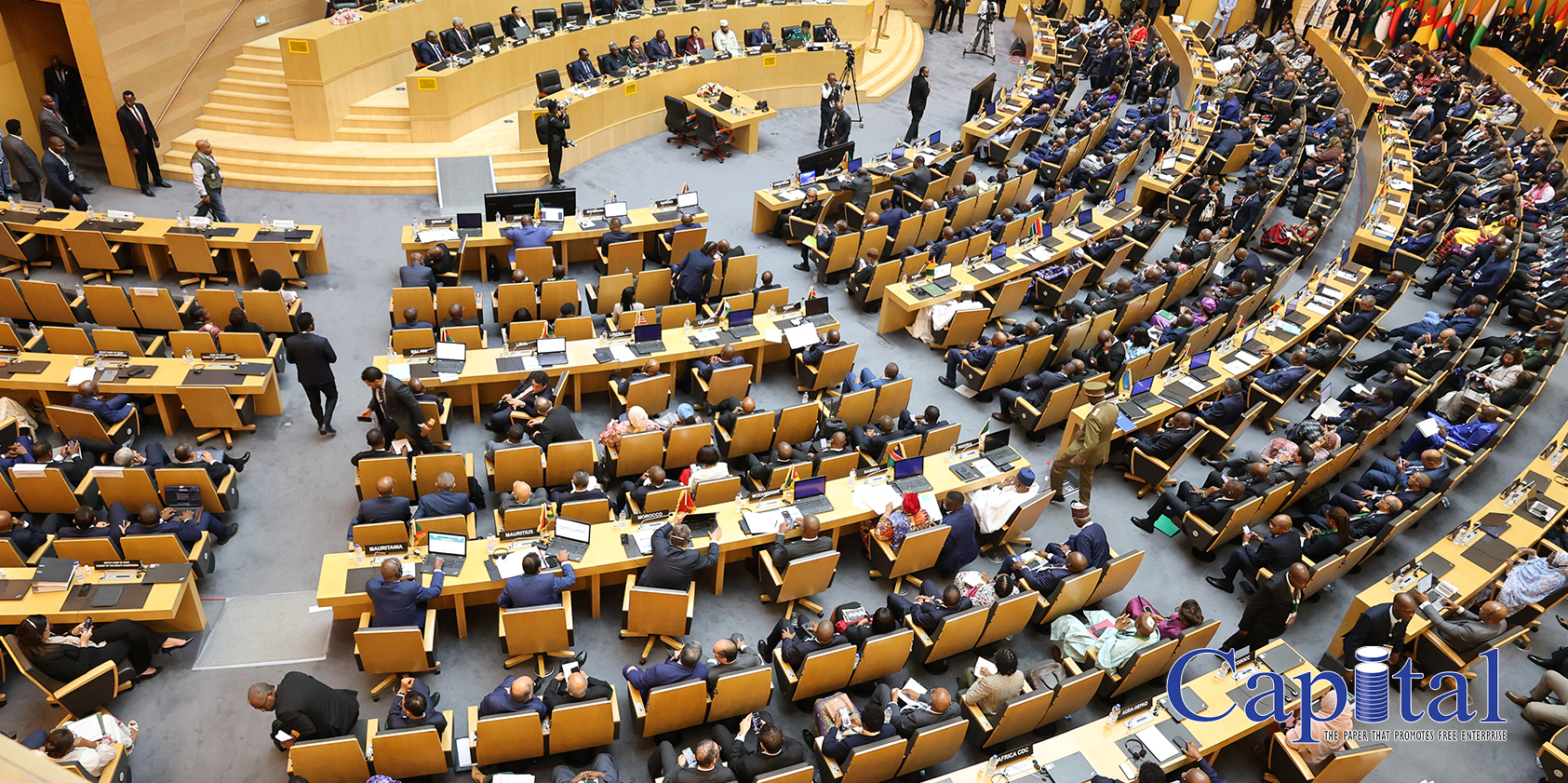
The summit, held on February 14-15, 2026 at the Union headquarters, rose as a starting point for transforming historical frameworks focused on education, science and resource management into an integrated growth engine under the shadow of “Agenda 2063”.
Moving beyond traditional security discussions, the AU designated 2026 as the year of “Ensuring Sustainable Water Supply and Reliable Sanitation Systems.” The summit saw the adoption of the Africa Water Vision 2063 and Policy (AWVP63). This policy treats water not just as a natural resource, but as a political and economic driver, seeking trans boundary cooperation over fragmented national projects.
Gedion Timothewos, Ethiopia’s Minister of Foreign Affairs, addressed the 48th Ordinary Session of the Executive Council, highlighting Africa’s recent successes in gaining a collective voice in the G-20 and pushing for UN Security Council reform.
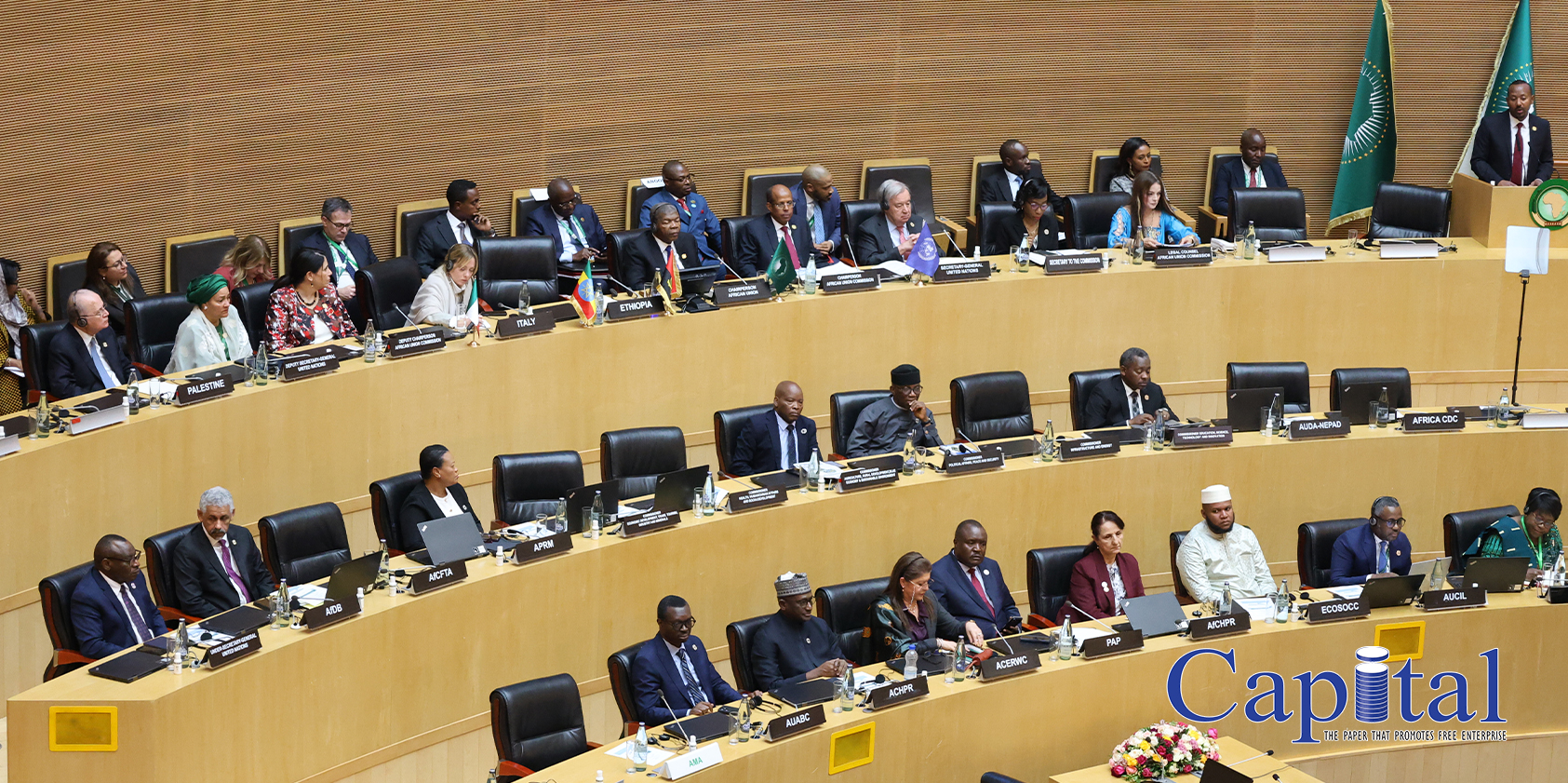
He cautioned that the current global political climate threatens to turn Africa into a “battleground for superpower competition.” To counter this, he argued that continental unity is vital for shared security and sovereignty.
He noted that the integration efforts initiated through Agenda 2063 and the AfCFTA are being transformed into action. Although encouraging results have been recorded in the areas of health, agriculture and climate change, Gedion said there is still a lot of work to be done to reach the “Africa we desire” and that efforts need to be redoubled.
He further emphasized the need for stronger representation in international financial and political institutions, including debt relief, climate finance access, and a permanent African seat on the Security Council.
The foreign minister said that Africa’s relations with other countries should be based on true solidarity and mutual respect rather than charity.
Ethiopia has expressed its readiness to host the COP 32 summit and called on Africa to lead the world in climate justice. In particular, addressing this year’s theme of water and sanitation, it was pointed out that the continent’s great rivers and lakes should be used for mutual benefit on the principle of “UBUNTU” or in a manner that respects the interests of all parties.
By 2034, AU leaders envision a continent capable of developing its own artificial intelligence systems in African languages, expanding clean energy industries, and manufacturing vaccines and advanced technologies domestically.
“This is a decade of commitment to our youth,” Commissioner Banyankimbona said. “We are investing in our most strategic asset — the minds of Africans.”
The Addis Ababa summit marked a decisive step toward aligning education, innovation, and sustainability under the broader vision of Agenda 2063 — signaling Africa’s intent to compete not only as a supplier of resources, but as a creator of knowledge and value in the global economy.