
In February 1937, Addis Abeba became the site of one of the most devastating acts of colonial violence in African history: Yekatit 12. Triggered by an assassination attempt on Italian viceroy Rodolfo Graziani, the Italian response was immediate and horrific. Thousands of Ethiopians were killed in the streets and in their homes. Intellectuals, educators, and storytellers were deliberately targeted, while monks and laypeople at the Holy Monastery of Debre Libanos were executed in one of the deadliest episodes of the occupation.
The roots of this violence trace back to Italy’s colonial ambitions and a desire for revenge. After losing the Battle of Adwa in 1896, Italy sought to reassert dominance through Mussolini’s 1935 invasion. Under Graziani, Ethiopians lived under racial segregation, fear, and brutal repression. The Yekatit 12 massacre, followed by forced displacement and internment on islands like Asinara, left scars that remain largely unacknowledged today.
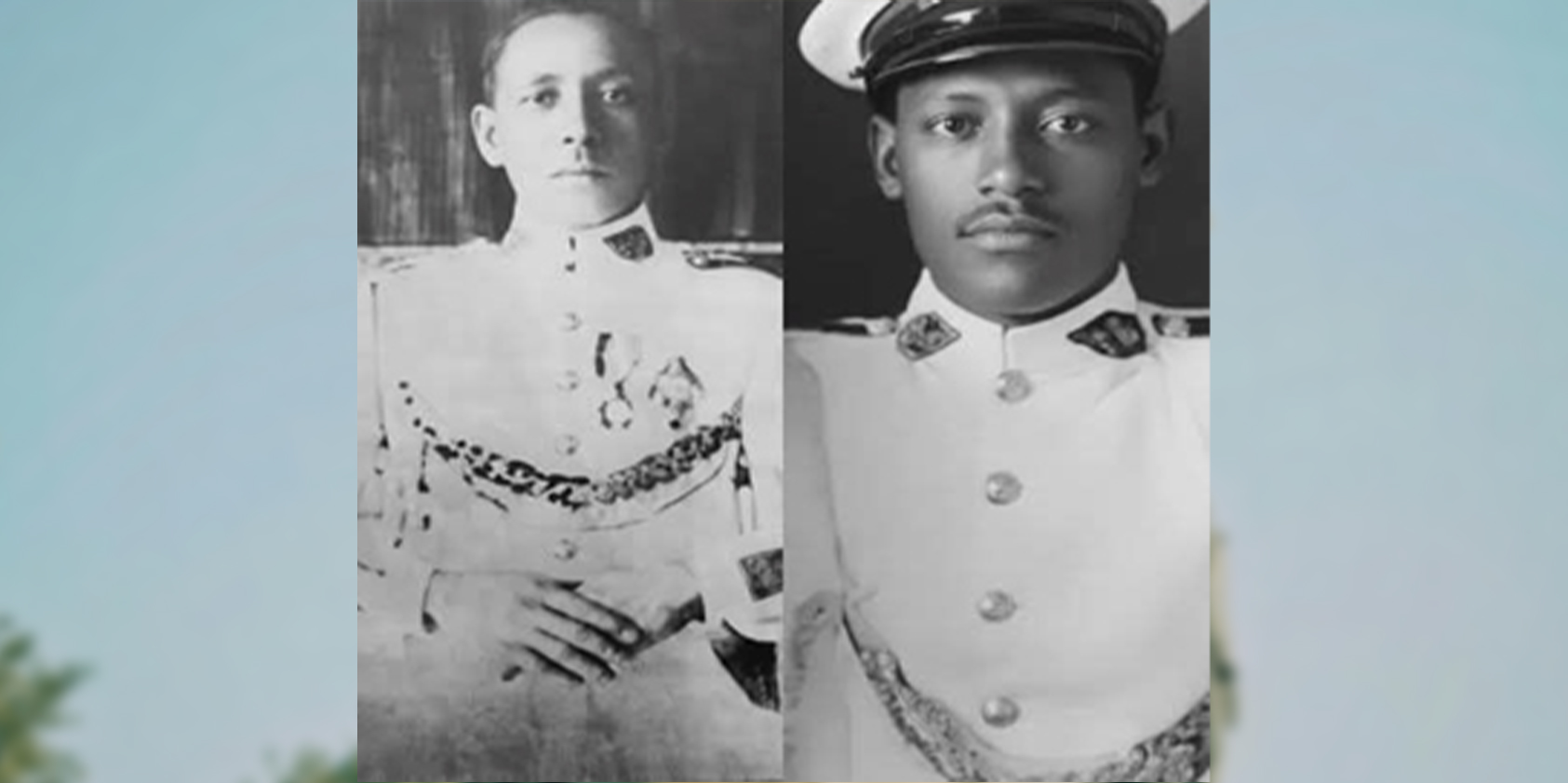
Now, From Oblivion to Memory—a network of descendants, families, and scholars—has launched its first newsletter to reclaim these stories. By documenting the lives lost, the resistance endured, and the trauma survived, they aim to preserve memory against erasure. Yekatit 12 is not just history; it is a testament to courage, resilience, and the enduring fight for justice.