The Ministry of Women and Social Affairs (MOWSA) has announced the completion of the draft Integrated Child Law, a transformative legislative framework designed to unify and strengthen the protection of children’s rights across Ethiopia. By consolidating scattered provisions from existing criminal, civil, labor, and family statutes into a single instrument, the new law aims to eliminate legal inconsistencies. Its most significant and debated feature is an explicit, strict prohibition of all forms of physical and mental punishment, marking a historic shift in the country’s approach to child welfare.
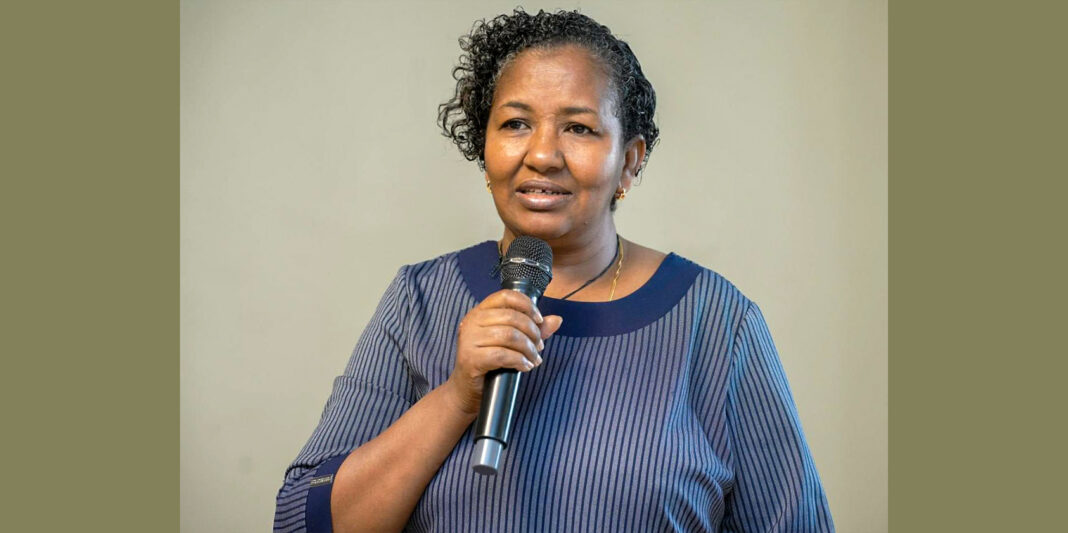
Zebider Bogale, Lead Executive for Child Rights and Protection at MOWSA, told Capital that existing laws have failed to keep pace with modern challenges. The new proclamation specifically addresses contemporary threats such as cyberbullying, online grooming, and technology-facilitated abuse—areas previously left in a legal vacuum. Central to the draft is the “Best Interests of the Child” principle, which requires all judicial, legislative, and religious institutions to prioritize a child’s safety and well-being independently of family interests. Historically, treating children’s issues merely as an extension of family matters has hindered independent legal protection.
Article 47 of the proclamation serves as its most radical element, outlawing any act intended to punish, correct, or control a child that causes physical pain or discomfort. The ban is absolute, regardless of whether the punishment is deemed “light” or “severe.” The law further prohibits mental punishment, including belittling, mocking, or any action that inflicts fear or a sense of inferiority. In place of force, the draft requires parents, teachers, and guardians to adopt positive discipline and counseling methods.
Despite its humanitarian goals, the draft has met with significant resistance from parents who view physical discipline as a cultural and religious necessity. Asgedom Gebremariam, a father of seven, expressed deep concern over potential state interference, citing traditional proverbs like “A child who is not punished will not learn.” He warned that the threat of up to three months’ imprisonment for parents could destroy traditional family boundaries. Similarly, Woyneshet Kefyalew, a mother of five, argued that the law clashes with spiritual teachings, stating that correcting a child is a “commandment from the Creator.” She expressed fear that the proclamation imposes foreign values and could lead to children intimidating their parents with legal threats.
MOWSA’s extensive impact assessment preceded the draft, finding that existing laws often conflate children’s issues with adult perspectives. The new prohibition applies to parents, guardians, teachers, and anyone responsible for a child’s care. Instead of force or humiliation, the draft mandates the use of counseling and positive teaching methods. It defines a child as anyone under 18 and mandates special protection for vulnerable groups, including children with disabilities, those with chronic illnesses like HIV/AIDS, and displaced minors.
The law also introduces a holistic framework for protection, formally recognizing Children’s Parliaments to grant minors the right to be heard. It establishes legally binding accountability for alternative care systems, such as adoption and foster care, and requires child-friendly environments in police stations and courts to reduce psychological trauma during legal proceedings.
The drafting process was a collaborative effort involving the Ministry of Justice, Federal Police, and the Human Rights Commission, with technical support from SOS Children’s Villages Ethiopia. The draft, which underwent five rounds of public consultation, is now in its final stages. It will soon be presented to the Council of Ministers and the House of Peoples’ Representatives for approval. While the law marks a major step toward meeting international human rights conventions, officials acknowledge that the real challenge lies in shifting deep-seated public perceptions through ongoing awareness campaigns.