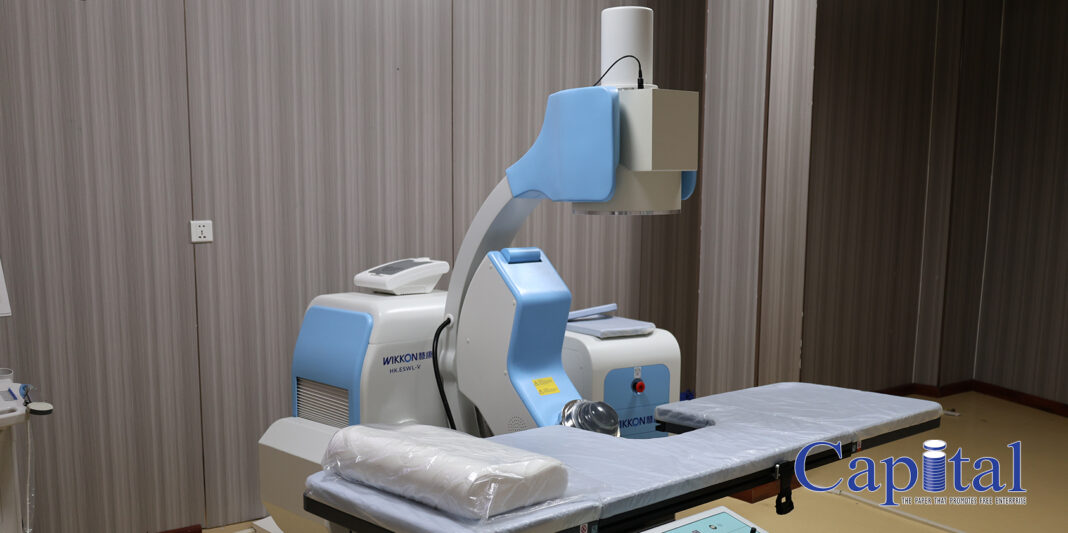
A new private medical facility, Bethesaida Hospital, has announced it entering Ethiopia’s healthcare market with a large-scale investment aimed at expanding access to advanced diagnostic and treatment services within the country.
The hospital, designed as a multi-level medical complex, consists of seven floors above ground and a basement housing core technical infrastructure described by the management as the building’s “digital heart.” The facility follows what developers describe as a “vertical medical city”model, concentrating a range of specialized services within a single structure.
Five of the upper floors are allocated for inpatient wards, while the ground floor functions as a central service hub that integrates patient registration, diagnostic units, and emergency services. The layout is intended to streamline patient flow and reduce response times for urgent care.
The project reflects the growing role of private investment in Ethiopia’s healthcare sector, particularly in advanced diagnostic and specialized treatment services that have historically driven patients to seek care abroad.
Hospital administrators say the building’s design places a strong emphasis on infection control, an area that has gained greater attention in modern hospital construction. Patient rooms are equipped with negative-pressure ventilation systems, which help prevent airborne pathogens from spreading into hallways and other hospital areas.
Operating theaters, meanwhile, are equipped with positive-pressure ventilation systems, designed to maintain sterile conditions by preventing outside air from entering surgical spaces. Additional infection-prevention measures include antibacterial flooring materials and routine antimicrobial cleaning procedures.
Patient rooms are equipped with centralized oxygen supply systems, air conditioning, private sanitation facilities, and nurse-call systems intended to support monitoring and patient care.
A significant portion of the hospital’s investment has been directed toward advanced diagnostic equipment. The facility includes a robotics-assisted cardiac catheterization laboratory (Cath Lab), rare in Africa, designed to support minimally invasive procedures used in the diagnosis and treatment of heart and vascular diseases, say the administrators.
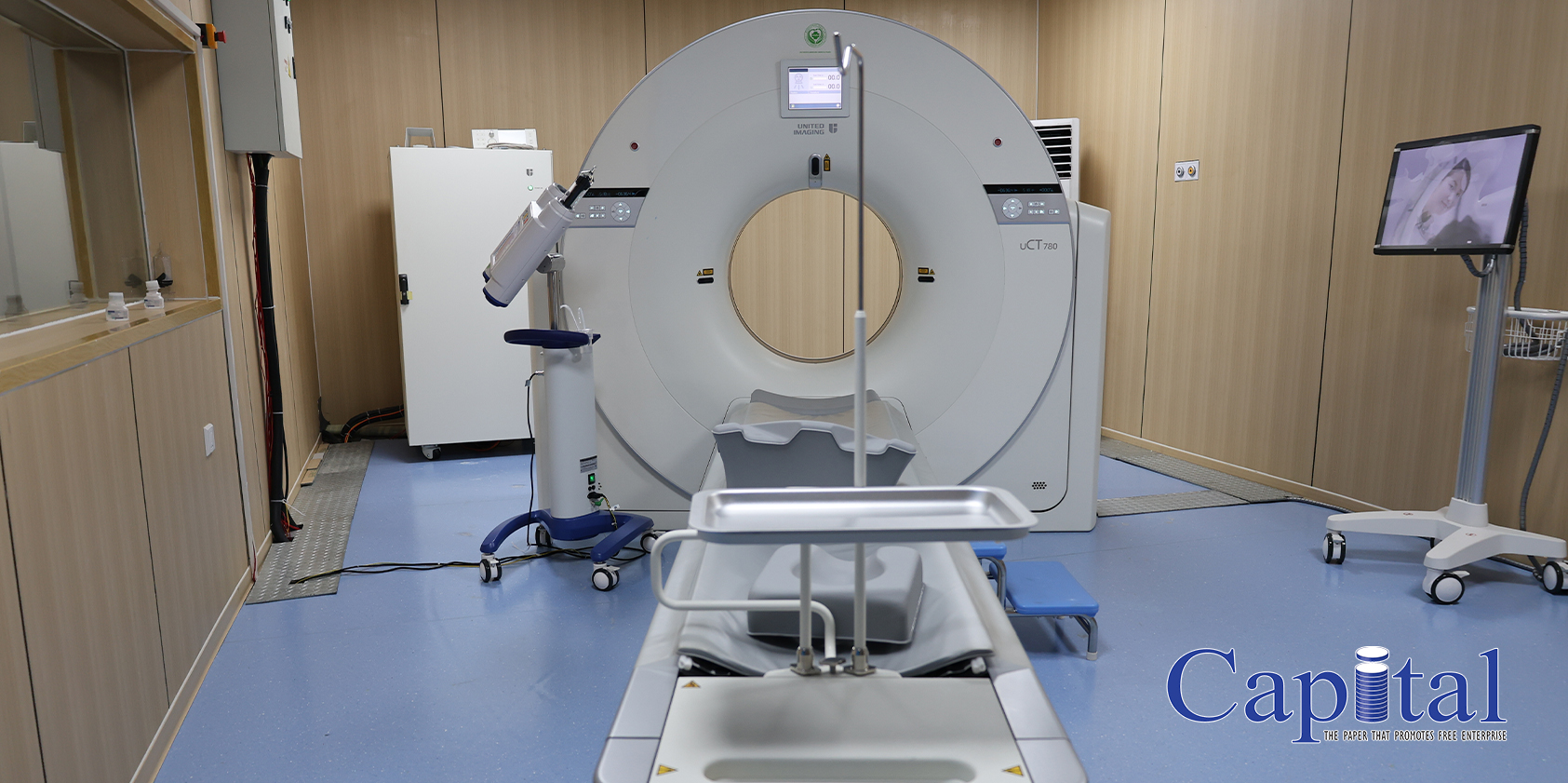
The hospital has also installed a160-slice CT scanner, which enables faster imaging and improved diagnostic accuracy while reducing radiation exposure.
In laboratory services, management says the facility’s microbiology unit will be capable of identifying specific antibiotics needed to treat resistant bacterial infections, allowing physicians to move beyond broad-spectrum treatments when patients fail to respond to standard medication.
The development comes amid rising demand for specialized healthcare services in Ethiopia and growing concerns about the high volume of patients seeking medical treatment abroad. Industry observers estimate that medical travel costs Ethiopian households and the broader economy significant amounts of foreign currency each year.
Private healthcare investors have increasingly sought to address this gap by establishing facilities equipped with advanced diagnostic and treatment technologies.
Bethesaida Hospital’s entry into the market reflects a broader trend in Ethiopia’s healthcare sector, where private operators are expanding capacity in specialized care, diagnostics, and hospital infrastructure to meet rising urban demand.
Whether such investments can significantly reduce outbound medical travel will depend on factors including service affordability, physician availability, and the ability of private providers to maintain advanced equipment and technical expertise over the long term, according to specialists in the field.