
The Ethiopian Capital Market Authority (ECMA) is close to finalizing a landmark Foreign Portfolio Investment (FPI) directive, a regulatory framework that could open Ethiopia’s capital market to international investors for the first time. The draft is currently under review by the Council of Ministers and is being described by officials as a “critical piece” in the country’s financial liberalization agenda.
If approved, the directive will allow foreign institutional investors, Development Finance Institutions (DFIs), and individual investors to trade in local equities and debt instruments, marking a historic shift from decades of a closed financial system. The move aligns with Ethiopia’s broader transition from a state-led economy to a market-oriented financial model, aiming to improve liquidity and attract essential foreign capital.
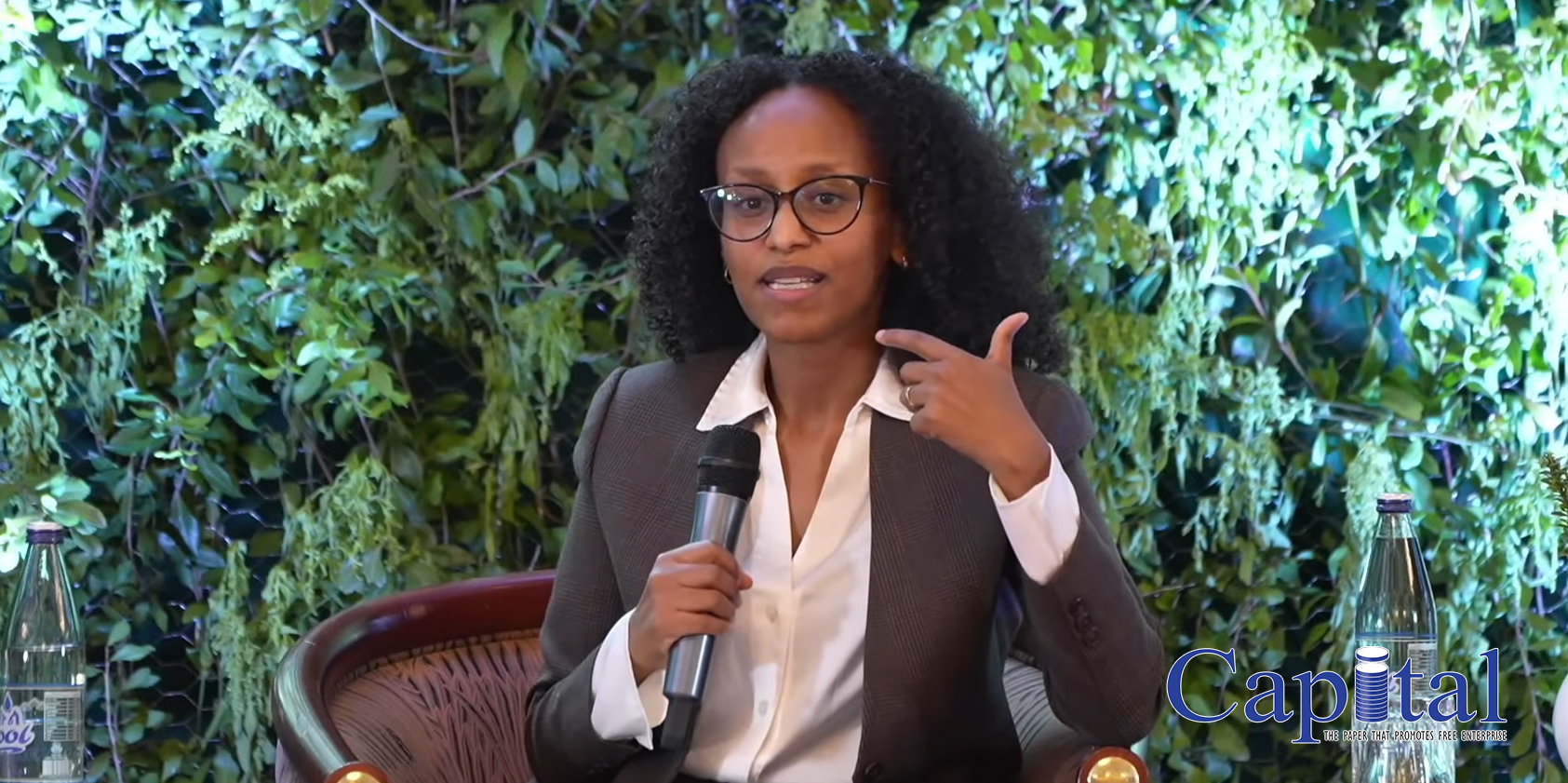
Hana Tehelku, Director General of ECMA, said the regulations are designed to create a “predictable and robust” market infrastructure capable of hosting both conventional and specialized financial products. “We are building standard financial institutions while concurrently developing innovative instruments such as green bonds, sustainability-linked products, and Islamic finance,” she explained, noting that Ethiopia is pursuing both market foundation and product innovation simultaneously.
The new rules are also part of Ethiopia’s strategy to strengthen financial capacity for climate and development projects. A study conducted with FSD Ethiopia and UNDP found that 92% of climate finance in Ethiopia currently comes from government sources, leaving the private sector with only 8% participation. The FPI framework is expected to facilitate greater private investment in green energy, sustainable infrastructure, and other nationally prioritized projects, supported by tax incentives.
As part of market confidence-building measures, the National Bank of Ethiopia is preparing a National Credit Enhancement Facility to guarantee bonds issued for green and large-scale development projects. ECMA has also signed a Memorandum of Understanding (MOU) with Nigeria’s InfraCredit, a successful credit guarantee institution, to draw lessons on enhancing investor confidence and lowering borrowing costs for local companies.
The regulatory package complements Ethiopia’s ongoing efforts to modernize market infrastructure. Yodit Kassa, Chief Operating Officer of the Ethiopian Securities Exchange (ESX), said the exchange has already processed over 2 trillion birr in transactions within just five months of launching the interbank money market. She stressed the importance of DFIs as anchor investors to build private sector confidence.
Officials emphasized that the regulatory and technical measures are only part of the strategy. Clear communication and simplification of complex financial and climate-related terms are considered essential to attract global investors. “We need to show that investing in Ethiopia is both profitable and impactful,” Yodit said, highlighting the goal of moving from policy discussions to active, practical trading in the market.
The FPI directive is expected to serve as a cornerstone for Ethiopia’s market-led financial transformation, providing a legal and operational foundation for international portfolio investment and positioning the country as a new destination for global capital.