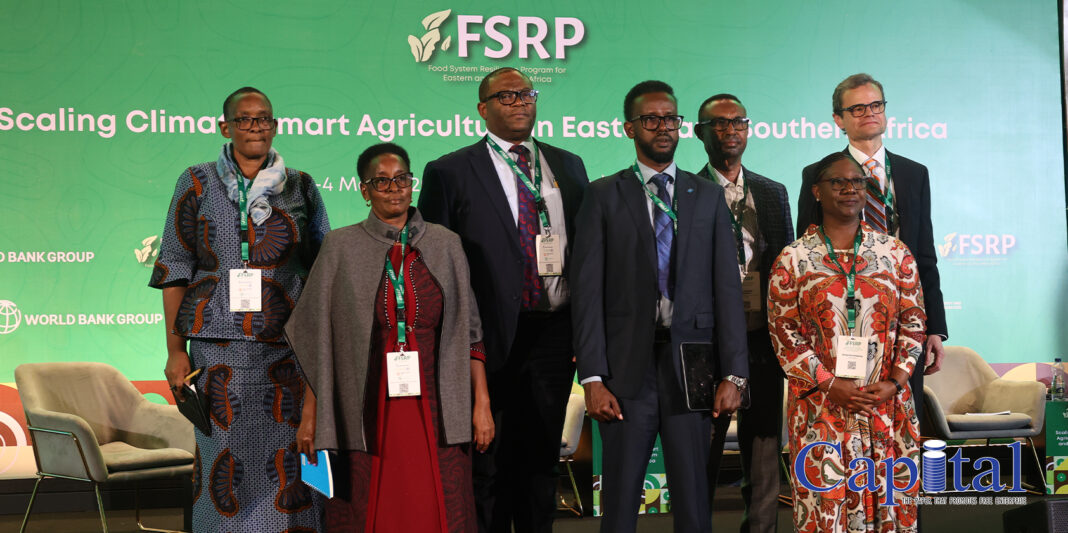
Governments in the Horn of Africa are stepping up regional cooperation to address the growing impact of climate change, with Ethiopia, Djibouti, and Somalia committing to a new cross-border initiative aimed at strengthening food systems and protecting livelihoods.
The pledge was announced during the second Food Systems Resilience Program (FSRP) summit held in Addis Ababa, where ministers and development partners emphasized the need for coordinated regional action as climate shocks increasingly affect agriculture and pastoral livelihoods across the region.
Moving away from fragmented national responses, the countries are proposing the creation of an integrated “Resilience Corridor” that would link climate adaptation strategies across borders and support the livelihoods of more than 150 million people.
The summit, held under the theme “Scaling Climate-Smart Agriculture in Eastern and Southern Africa,” was organized by the Intergovernmental Authority on Development (IGAD) and the Centre for Coordination of Agricultural Research and Development for Southern Africa (CCARDESA) with support from the World Bank.
Participants stressed that because climate change transcends national boundaries, adaptation strategies must also be regional in scope.
At the center of the new commitment is the “Addis Ababa Reaffirmation,” a framework built on four strategic pillars aimed at strengthening regional resilience.
These include expanding shared climate data and early warning systems through digital platforms; developing harmonized pastoral policies and climate-smart mobility corridors for livestock; distributing drought-resistant seed varieties while protecting soil health; and aligning national agricultural investment plans with the Comprehensive Africa Agriculture Development Programme (CAADP) targets for 2025.
Daher Elmi, representing IGAD at the summit, warned that climate change poses a direct threat to agricultural productivity and livelihoods across the region.
“A coordinated regional response is both a practical necessity and a responsibility to future generations,” he said.
Speakers also highlighted national efforts underway. Kefelegn Getahun, climate change and land use coordinator at the Agricultural Transformation Institute (ATI), noted that Ethiopia is currently undertaking large-scale land restoration programs aimed at rehabilitating millions of hectares of degraded land.
He emphasized that climate adaptation investments must increasingly rely on data-driven planning to help shift the region from vulnerability toward sustainable growth.
According to Mohamed Abdi Ware, Deputy Executive Secretary of IGAD, strengthening food systems is also essential for regional stability.
“Scarcity of water and grazing land often contributes to conflict,” he said. “Ensuring reliable resources for farmers and pastoralists can help reduce the economic pressures that fuel instability.”
Despite the renewed commitments, participants acknowledged that financing remains a major challenge for climate adaptation initiatives.
Experts at the summit noted that while many countries have adopted climate-smart agriculture strategies, long-term funding for implementation remains uncertain. A study presented during the discussions found that although 87 percent of regions in Kenya have developed climate plans, fewer than half have allocated budgets to implement them.
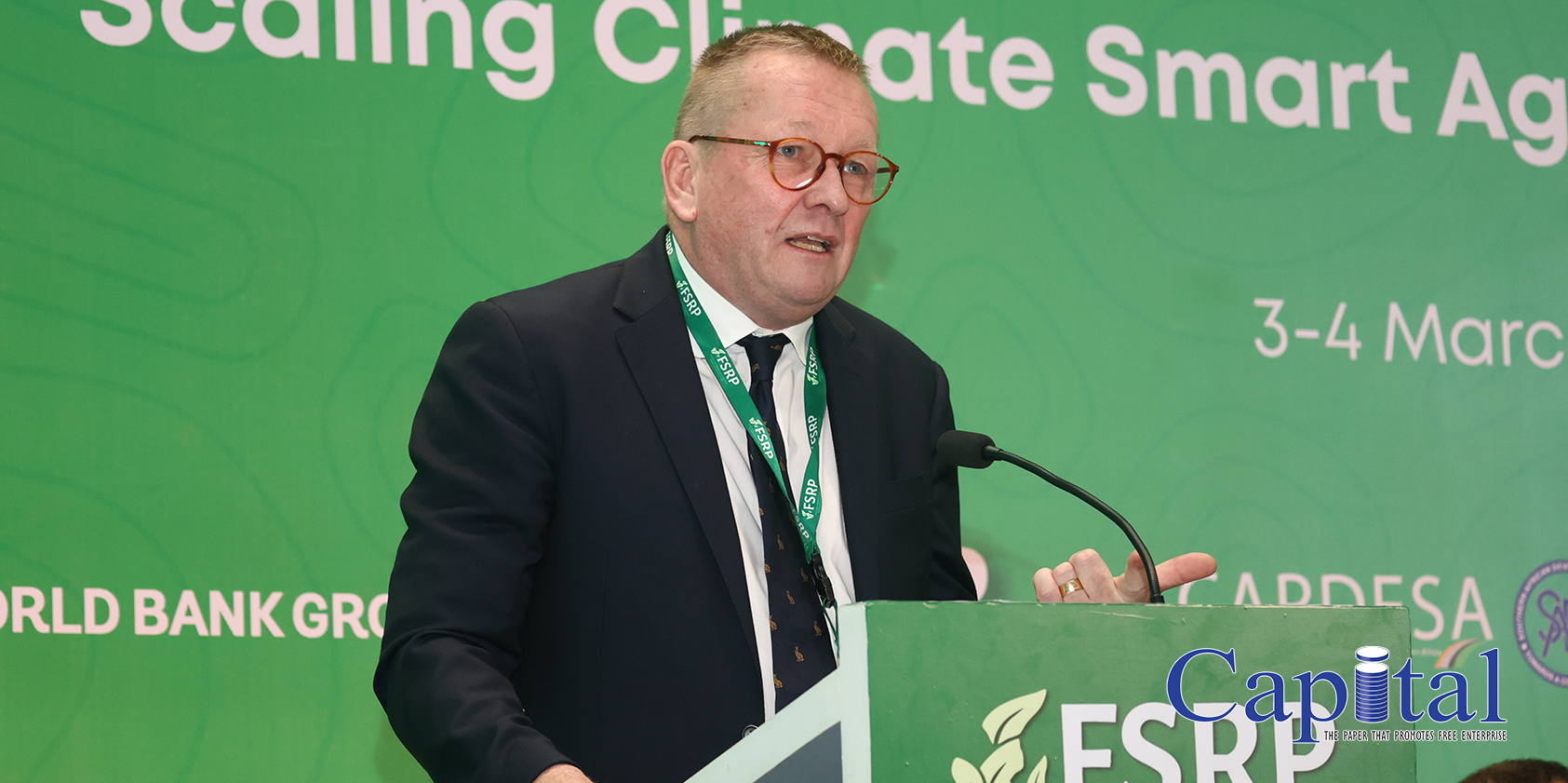
Cliff Sibusiso Dlamini, Executive Director of CCARDESA, said the transition to climate-resilient agriculture will require more predictable financing.
“To transform agricultural production systems, we need a reliable financial horizon that goes beyond short-term aid,” he said.
In response, the World Bank introduced a new financing initiative known as AgriConnect, designed to mobilize up to USD 5 billion annually through 2030. The model aims to attract private sector investment by reducing risks for banks financing agricultural development and solar-powered irrigation projects.
Regional and continental institutions are also promoting a strategy described as “Scaling Up, Out, and Deep,” which focuses on strengthening policies, expanding access to climate-smart technologies, and encouraging behavioral change among farming communities.
Further financial commitments for the Horn of Africa are expected to be discussed at the African Food Systems Transformation Summit 2026, scheduled to take place in Accra, Ghana, in May. Organizers say the meeting will focus on translating donor pledges into concrete investment for climate resilience and agricultural transformation across the continent.