


The National Election Board of Ethiopia (NEBE) began using an electronic method to register voters for the seventh national election; nevertheless, Capital learned that technical and system problems are purportedly hindering the process at several polling locations
According to witnesses Capital spoke with, the new registration-assisted approach in particular has become a source of weariness and delay for people.
The Board implemented a digital registration system and an app named “Mirchaye” (My Election) in an effort to modernize the procedure. However, prospective voters are extremely concerned since the technology has often crashed and failed to process data effectively.
Even in Addis Ababa, this issue has been noted, and it is said to be more common in cities and suburban regions with poor internet connectivity.
Voters in regional states complained that they were made to wait in the heat for hours on end while the “system is down.”
Due to several setbacks during tablet registration, voters from towns like Adama and Bahir Dart, as well as regions like Sidama and Southern Ethiopia, told Capital that they are returning home unregistered despite traveling to the booths every day.
One voter whom Capital spoke with, Mohammed Suleiman, said, “People are being mistreated every day; the tablet is not working.”
Watching the elderly struggle back and forth is truly distressing. He said that if the Board does not provide an urgent solution, it will be difficult to register the expected number of voters within the allotted one-month period.
Amid the ongoing technological disruptions, many are raising the question: “If the system isn’t working, why don’t we go back to the old paper-based method?” Citizens at registration centers have urged the Board to continue the process using the traditional and reliable paper registration system, rather than inconveniencing the public in the name of technology.
Another voter, Alazar Astarkachew, shared his concerns, stating: “First, the voter card identification number has not been printed yet. Second, since the digital system isn’t functioning, returning to the old paper system is the only solution.”
In a statement issued on Friday, March 13, 2026, Chairperson Melatwork Hailu announced that 9.36 million citizens had registered during the first week, while acknowledging that various challenges had emerged during the process.
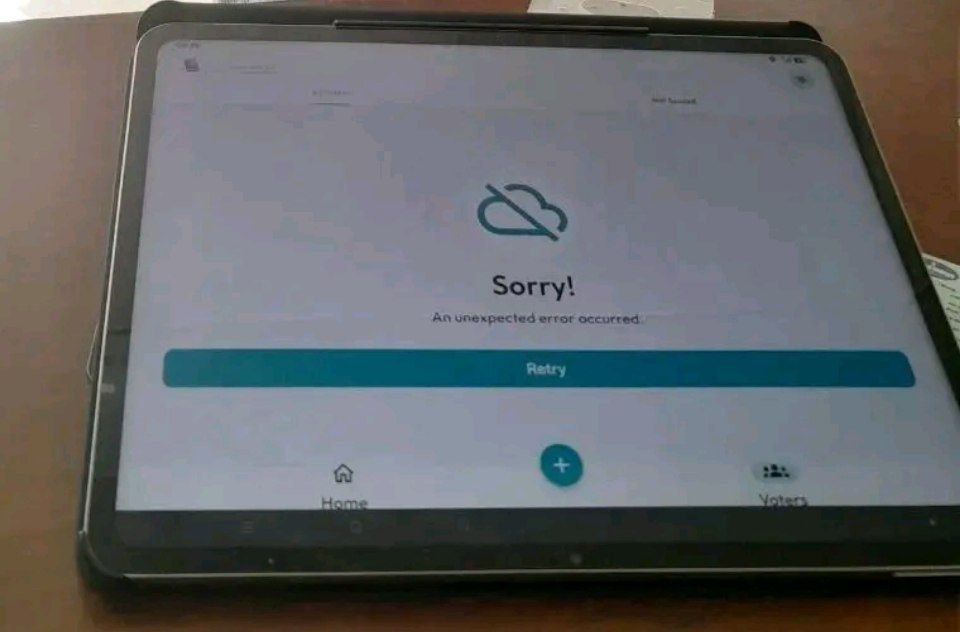
Admitting that “we have been challenged” in the registration process, the Chairperson attributed the issues to two main factors. The first was system optimization, noting that the application showed capacity limitations as the number of voters increased. The second challenge was internet connectivity. Although areas with 3G coverage and above were specifically selected in coordination with Ethio Telecom, she explained that, in practice, power outages and weak network connections had disrupted operations.
The Chairperson stated that the Board is working closely with Ethio Telecom to resolve the issue, and noted that a special task force has been established to monitor the SIM card and connectivity status of every tablet.
In addition to technical problems, it was noted that other challenges included voters entering only their first and middle names without including their grandfather’s name, as well as difficulties in correctly entering data in regional languages.
Although voter registration is scheduled to continue until April 6, 2026, voters are expressing concern that the process may not be completed on time unless immediate solutions are found for the current system disruptions.




