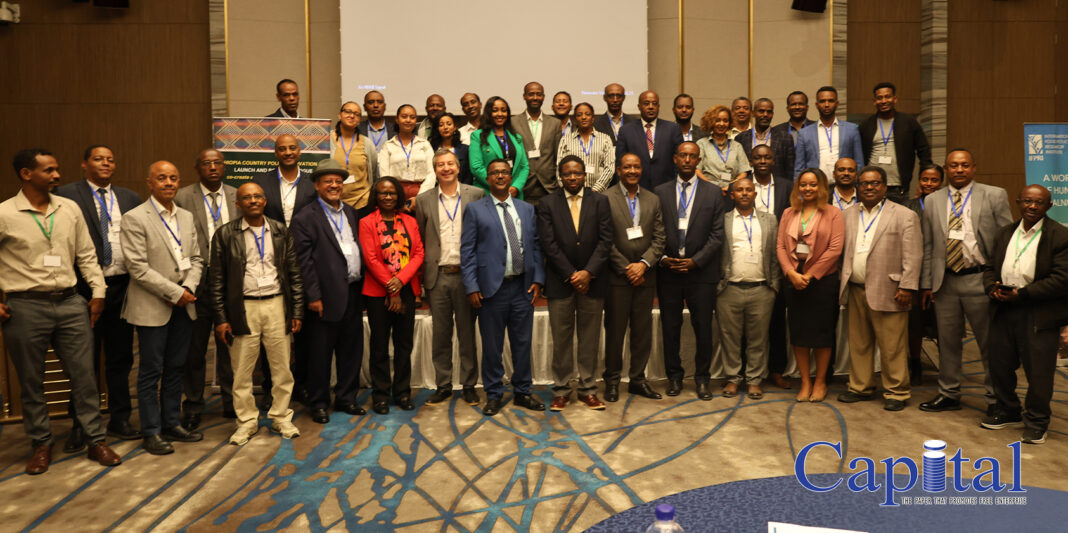
Ethiopia has launched a new Research-to-Policy Hub aimed at strengthening the link between academic research and government policymaking, in an effort to ensure that development strategies are increasingly guided by evidence.
The hub was officially inaugurated on March 11, 2026, and is expected to serve as a collaborative platform connecting research institutions with government agencies responsible for economic planning and policy implementation.
Among the key partners involved are global research organizations including CGIAR, International Food Policy Research Institute (IFPRI), and International Livestock Research Institute (ILRI), which will work closely with national institutions such as the Ministry of Planning and Development (Ethiopia).
Officials say the initiative seeks to address a long-standing gap between research production and policy implementation. While numerous studies have been conducted by local and international researchers over the years, many have had limited influence on policy decisions due to weak institutional linkages and limited access to timely data.
At the same time, policymakers often face challenges obtaining reliable and up-to-date information needed to address complex development issues.
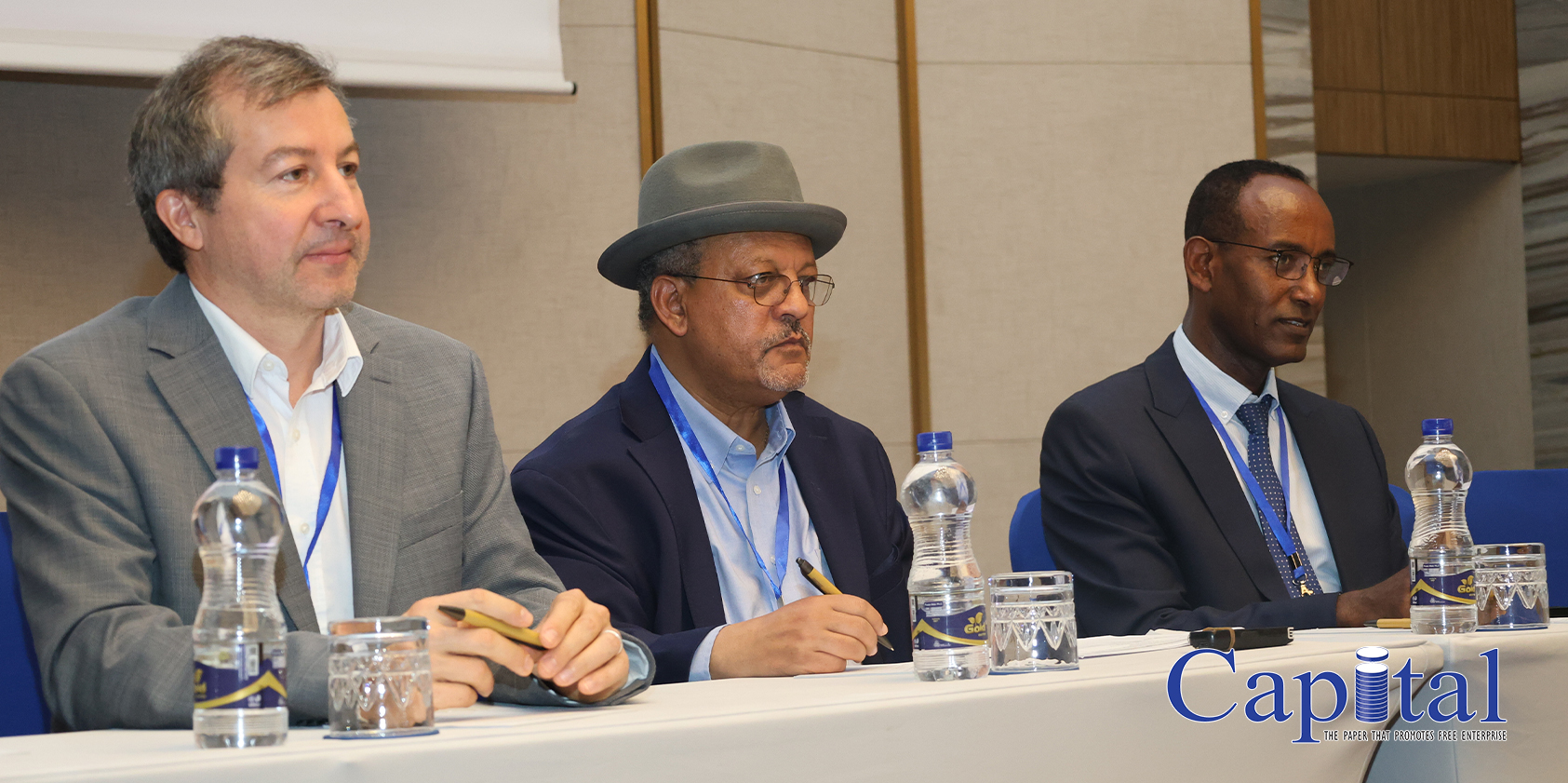
Alemayehu Seyoum, a senior research fellow at IFPRI, said the hub aims to foster closer collaboration between researchers and policymakers.
“Our objective is to ensure that policy recommendations are grounded in tested evidence,” he said. “By working together on data generation and analysis, we can strengthen the country’s capacity to develop practical and effective policy solutions.”
In a context where Ethiopia faces wide-ranging development needs—from infrastructure expansion and agricultural productivity to health services and fertilizer supply—while operating with limited resources, the hub is expected to provide analytical support to help prioritize investments.
Officials say the initiative will help policymakers identify sectors where public spending and reforms can deliver the greatest social and economic impact.
The program also aligns with several of Ethiopia’s major policy frameworks, including the Homegrown Economic Reform Agenda 2.0, the Ten-Year Development Plan (2021–2030), and the country’s Food Systems Transformation strategy.
As policymakers contend with challenges such as rapid urbanization, climate change, technological disruption, and global economic uncertainty, demand for evidence-based decision-making has become increasingly urgent.
The launch of the hub also marks the beginning of a broader policy dialogue platform expected to run over the next two years. Through collaboration with national institutions, the initiative aims to develop research agendas tailored to Ethiopia’s priorities, provide analytical support for major investments and legislative reforms, and strengthen the analytical capacity of local institutions.
The initiative forms part of the broader CGIAR Policy Innovation Program, which is currently being implemented in Ethiopia, India, Kenya, Malawi, and Nigeria.
The program is aligned with CGIAR’s 2030 strategy, which focuses on transforming food, land, and water systems through science-based solutions, particularly as climate change increasingly affects agricultural and development outcomes.