Austria and Ethiopia are elevating their century‑old diplomatic ties with a new focus on sustainable mining, positioning environmental protection at the core of economic cooperation.
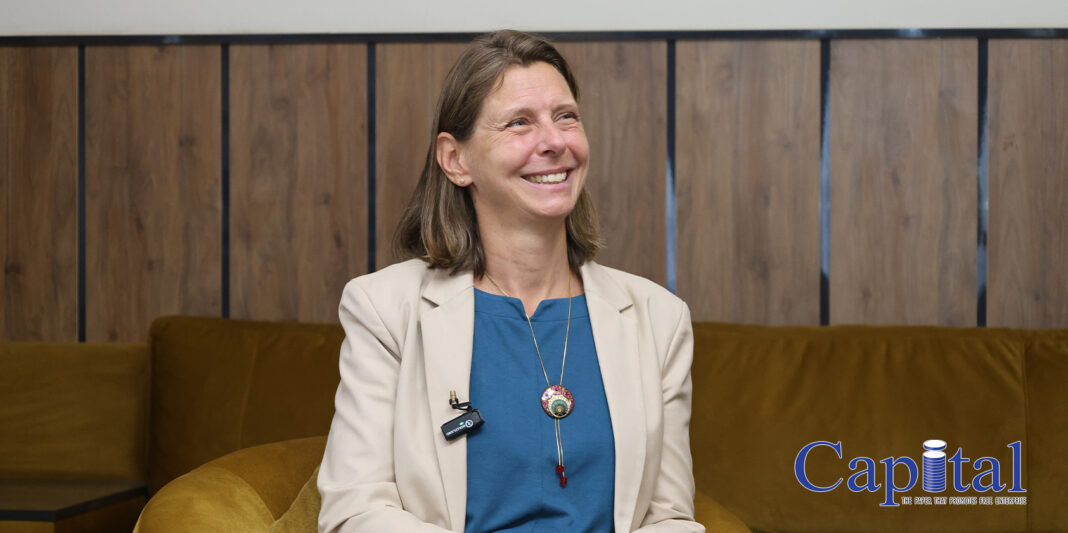
Speaking in Addis Ababa, Austrian Ambassador to Ethiopia Simone Knapp said the relationship between Vienna and Addis Ababa, formally established in 1905, is “as excellent as it was then,” but has now grown “deeper and wider,” extending well beyond traditional diplomacy into university partnerships and direct people‑to‑people engagement.
The latest pillar of that relationship is a green mining initiative that seeks to show that mineral extraction “does not have to be dirty.” Drawing on Austria’s long mining tradition in the Alpine region, the programme promotes a model built on three pillars: economic viability, environmental protection and social responsibility. The goal is to ensure the sector contributes to Ethiopia’s GDP while reducing its ecological footprint and safeguarding the health and livelihoods of surrounding communities.
Central to the effort is the involvement of Montanuniversität Leoben, one of the world’s leading mining universities. The institution is working with Ethiopian universities to transfer expertise in cleaner extraction technologies and environmental management. A key focus is reducing the use of toxic chemicals in artisanal and small‑scale mining, which often contaminate rivers and farmland.
“People drink from those rivers, they get sick and can even die,” Ambassador Knapp noted, stressing that joint research aims to keep water sources potable and land productive for farmers while mining activities expand.
The initiative comes as the global transition to green energy and digital infrastructure drives up demand for raw materials. A single smartphone, the Ambassador pointed out, can contain around 80 different minerals, underscoring the tension between resource needs and environmental protection. “We cannot say we won’t mine because it’s dirty; we need minerals,” she said, arguing that the challenge is to mine in a way that does not sacrifice Ethiopia’s natural heritage.
Green mining now sits within a broader framework of Austrian engagement in Ethiopia that includes NGO projects, cultural exchanges and private‑sector investments.
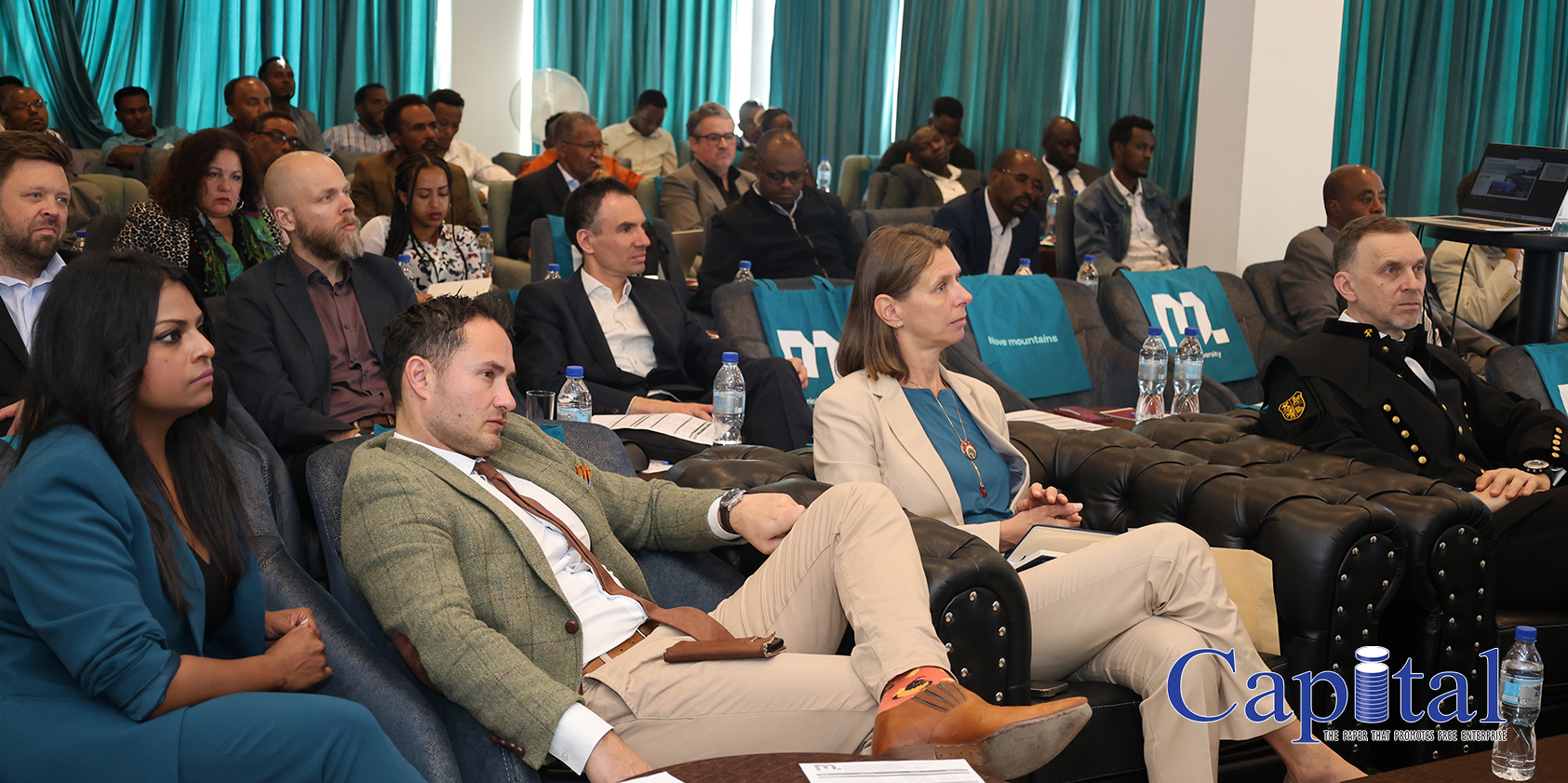
The partnership was showcased at an international symposium on Sustainable Mining and Circular Engineering held on 17 March 2026 in Addis Ababa. Organized by Montanuniversität Leoben in cooperation with Addis Ababa University and the Austrian Embassy, the event brought together leading researchers and policymakers from Ethiopia, Austria and across Africa.
A delegation of twelve scientists from Montanuniversität Leoben presented research on resource security, circularity and cleaner production methods. Discussions explored new joint academic projects and capacity‑building initiatives aimed at ensuring Ethiopia’s mining sector becomes a driver of national development rather than a source of social and environmental anxiety.
By embedding environmental safeguards and community welfare into the heart of mineral development, officials from both countries say the emerging Austro‑Ethiopian green mining partnership could offer a model for resource‑rich nations across Africa.