To tackle the disproportionate effects of environmental crises on vulnerable populations, the Ministry of Planning and Development (MoPD) has underscored the urgent need for gender-responsive budgeting in national climate strategies.
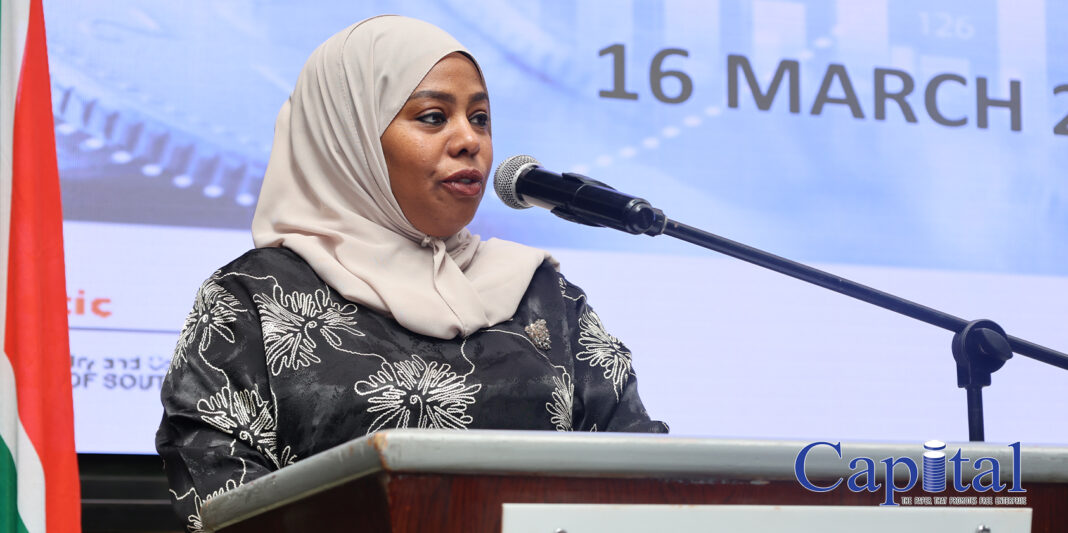
Rahima Mohammed, a Senior Expert in Environment and Climate Change Agreements and Partnerships at the MoPD, noted that while Ethiopia has strong policy frameworks, a significant gap exists in the practical implementation and funding of gender-inclusive climate programs.
Ethiopia has been a proactive leader in climate policy since the establishment of the Climate Resilient Green Economy (CRGE) strategy in 2011.
This commitment was further solidified by the 2019 National Adaptation Plan (NAP) and the updated Nationally Determined Contributions (NDC) document.
According to Rahima, these foundational documents are not gender-blind; they include gender analyses that acknowledge the disproportionate impact of climate extremes on women.
“Climate change affects biodiversity and the economy, but the damage ultimately impacts human lives,” Rahima emphasized during a panel discussion.
She highlighted that women often shoulder the burden of unpaid domestic work and reproductive responsibilities, facing significant obstacles in accessing climate information and resources.
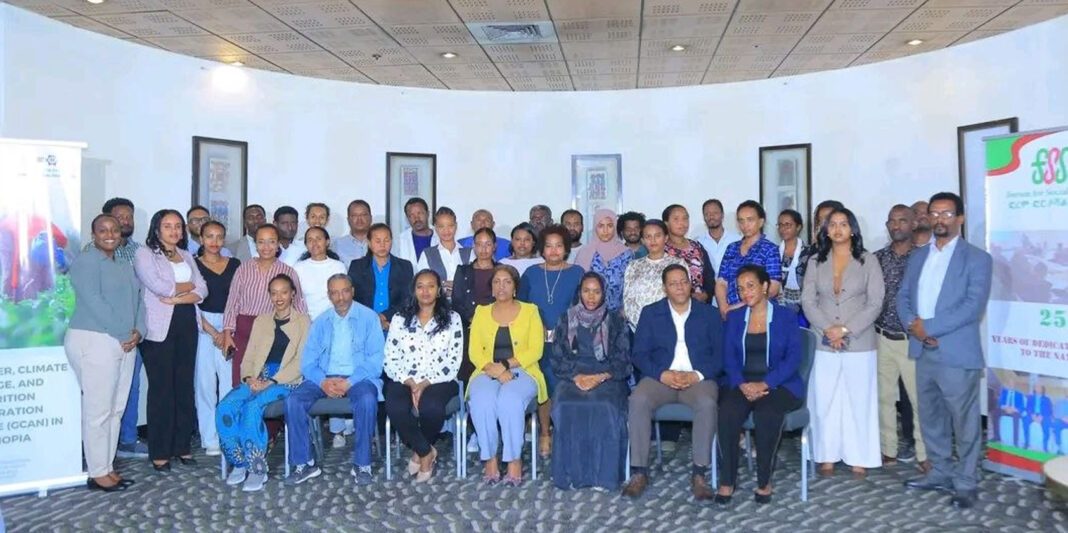
This call to action emerged during a recent research validation workshop organized by the Forum for Social Studies (FSS), where experts and policymakers examined the intricate connections between gender equality, climate change, and nutrition.
The Ministry’s analysis indicates that climate change diminishes agricultural productivity, leading to increased food insecurity—a situation that heavily impacts women, who are the primary providers in rural households.
Despite most government offices having gender departments or desks, these often function without independent or adequate budgets.
Rahima revealed that the MoPD, in partnership with the Ministry of Finance and the Ministry of Women and Social Affairs, is exploring the development of “Gender Budgeting” models.
“To achieve gender equality, we must first ensure gender equity,” she explained. “This requires affirmative action and specific budget allocations to prioritize women in climate resilience efforts. We are currently studying pilot programs to provide targeted financial support.”
Selam Esayas, representing the GCAN Project, presented a paper at the workshop that highlighted various challenges faced by Civil Society Organizations (CSOs) and government agencies.
A primary concern is the “awareness gap” among leaders, as many struggle to grasp the practical intersections of climate change, gender, and nutrition.
Selam also noted a decline in “gender expertise.” Although “gender mainstreaming” was a prominent topic in recent years, the technical capacity to coordinate, implement, and evaluate these initiatives has waned. Additionally, there is a shortage of professionals who can integrate health, agriculture, and environmental sciences. “We need not just gender or climate experts, but professionals capable of bridging these sectors,” Selam stated.
This is especially crucial as Ethiopia works to implement “Climate-Smart Agriculture,” which necessitates a comprehensive understanding of environmental science and social dynamics.
The researcher also raised the issue of translating evidence into practice. Despite the existence of high-quality studies, there is no central plan or platform to collectively share these findings, leading to institutions operating in silos and duplicating efforts instead of learning from one another.
As Ethiopia prepares to host the 32nd United Nations Climate Change Conference (COP 32), the need for gender-inclusive climate action is more pressing than ever.
The Ministry has confirmed that committees have been established to oversee the preparations, with a significant agenda item being the “Gender Action Plan” (GAP). Ethiopia previously launched its own National Climate and Gender Action Plan during the second Africa Climate Summit. Participants emphasized the importance of standardized toolkits and awareness programs to help decision-makers understand the practical links between gender, nutrition, and climate.