In a strategic move to enhance its influence on the continent, Ethiopia has launched an extensive international call for investment aimed at closing infrastructure gaps and modernizing its industrial sector. State Minister of Urban and Infrastructure Development, Yetimegeta Asrat, articulated a vision for Ethiopia to become the “beacon of African prosperity.”
While commending the country’s impressive progress in infrastructure development—particularly the road network, which has expanded sevenfold since 1997 to 182,000 kilometers—Yetimegeta acknowledged significant challenges ahead. Foremost among these is the $2 billion lost each year due to logistics inefficiencies, which he emphasized must be tackled through collaborative international investment and innovation.
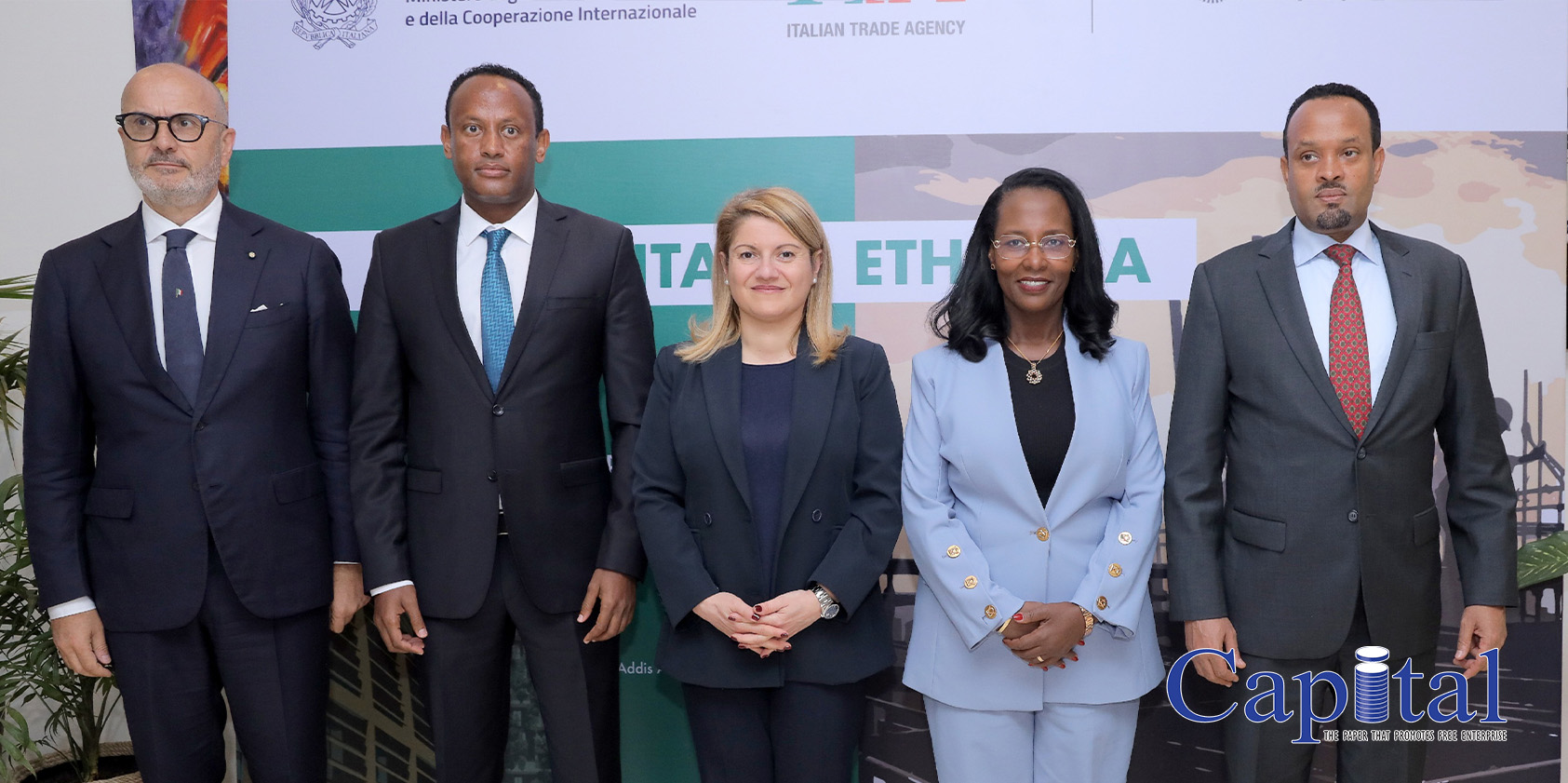
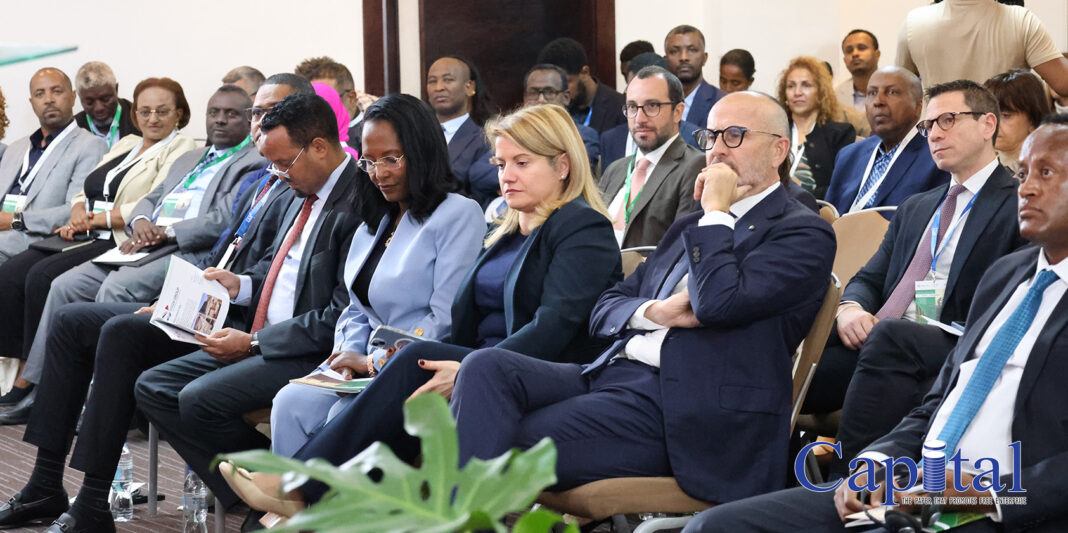
This initiative represents a notable shift in Ethiopia’s economic strategy, as the government transitions from a “build and neglect” approach to one that prioritizes asset management and professional excellence through the Construction Industry Transformation Initiative. This was highlighted during the first Ethio-Italian Construction, Infrastructure, and Urban Redevelopment Forum held in Ethiopia.
The success of this vision will not solely depend on the quantity of asphalt and concrete laid, but on the effective integration of assets within functional and climate-resilient systems. The industrial sector is projected to grow by 8% annually through 2030. At the same forum, Maria Tripodi, Italy’s Deputy Minister of Foreign Affairs and International Cooperation (MAECI), referred to Ethiopia as the “beating heart” and a key hub for East African development.
The Ethiopian government’s ongoing commitment to bold structural reforms and its efforts to join the World Trade Organization (WTO) have positioned the country as an attractive partner for the Italian manufacturing sector. This partnership is founded on key pillars, including substantial financial support, with Italy allocating €90 million through SIMEST’s “Africa Measure” to foster innovation and training initiatives in Ethiopia.
Strategically, the collaboration emphasizes infrastructure and logistics, targeting major projects such as airport expansions and the crucial Addis Ababa-Djibouti logistics corridor. Additionally, in urban development, Italian companies are poised to deliver modern social housing and waste management solutions to help Addis Ababa cope with its burgeoning population.
Energy security remains a critical focus; leveraging Ethiopia’s leadership in renewable energy, Italian experts are set to assist in enhancing network infrastructure and energy storage systems. Maria Tripodi stressed that this “growth diplomacy” seeks to convert political agreements into concrete market opportunities, asserting that “partnering with Italy means choosing a technological ally that transforms grand projects into enduring symbols of civilization.”