Djibouti City, Djibouti
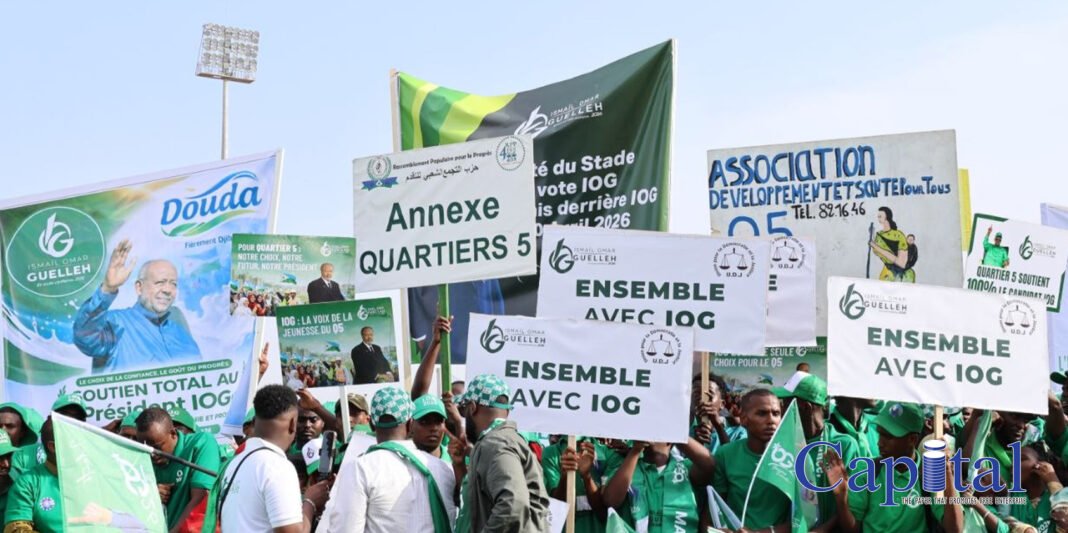
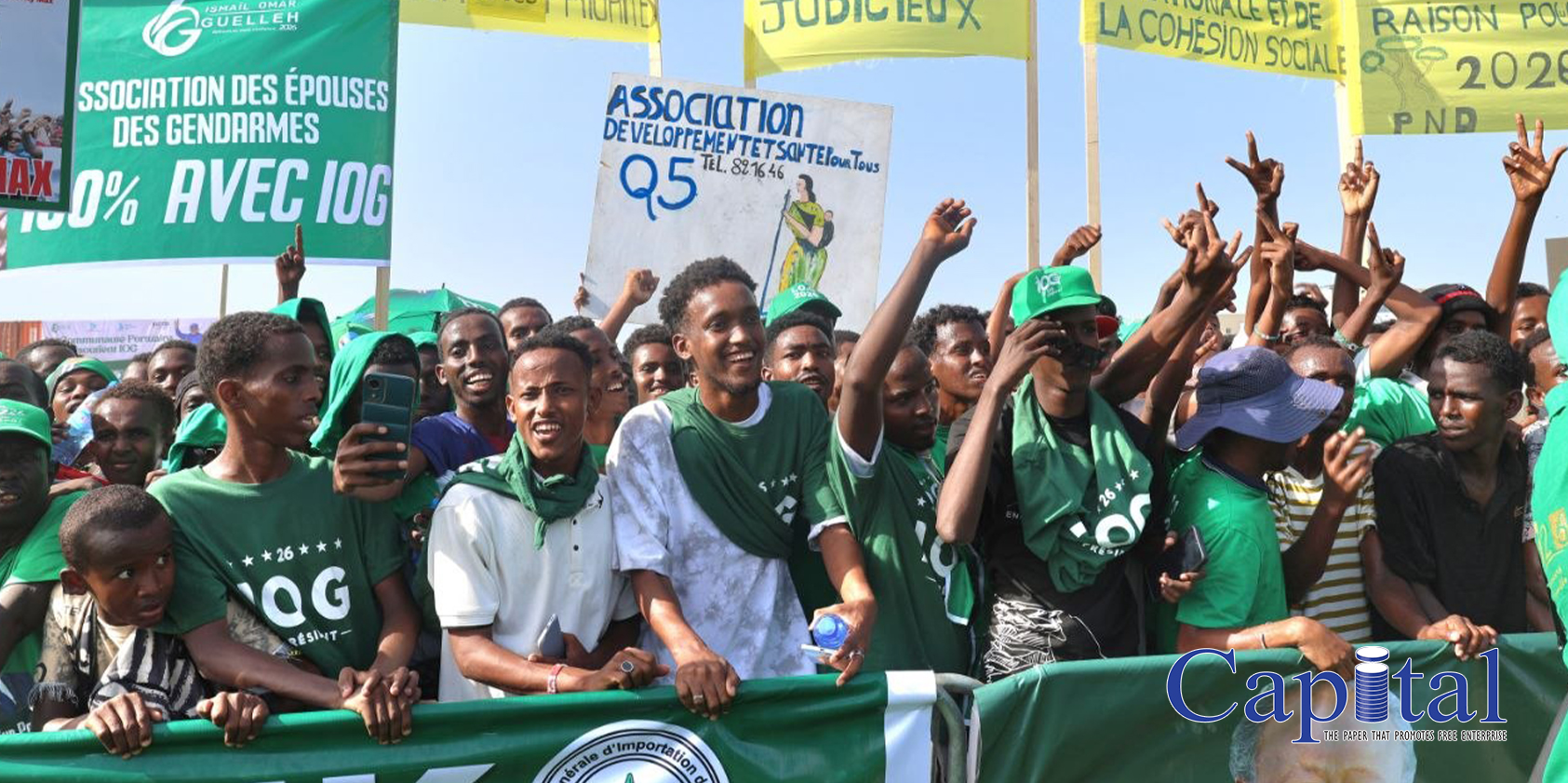
On Friday, April 10, 2026, voters in Djibouti, a small nation in the Horn of Africa, participated in a presidential election that many observers consider a referendum on nearly thirty years of rapid economic and infrastructural change under the long-standing leadership of Ismail Omar Guelleh.
With around 250,000 registered voters out of a population exceeding one million, this election represents another milestone for a country that has largely defied the turbulent reputation of its region, establishing itself as a beacon of stability, strategic diplomacy, and growing economic influence.
A Legacy of Peace in a Restive Region
Since gaining independence from France on June 27, 1977, Djibouti has charted a unique course in the Horn of Africa, a region often marked by conflict, instability, and political turmoil.
In this context, Djibouti has maintained relatively peaceful democratic practices throughout its nearly fifty years of sovereignty. While critics have occasionally voiced concerns regarding political freedoms and the competitiveness of elections, the country has consistently held regular assembly and presidential elections since its independence.
Djibouti’s increasing soft power and regional significance are largely due to its strategic location at the southern entrance to the Red Sea and the Gulf of Aden, key shipping lanes in global trade.
The modern port facilities, the presence of foreign military bases from various global powers, and the active participation of its citizens on the international stage have all elevated Djibouti’s global profile, especially under President Guelleh, who has been in power since 1999.
Transforming an Economy: From a Single Old Port to a Maritime Powerhouse
When Ismail Omar Guelleh took office, Djibouti’s economic infrastructure was basic at best. The nation had only one small, aging port in its capital, which served as the main maritime entry point for landlocked Ethiopia—a burgeoning market of over 130 million people. This single facility suffered from congestion, inadequate oil handling capabilities, and serious environmental hazards due to oil company operations in the densely populated urban area.
However, over the past two decades, the Guelleh administration has overseen a remarkable infrastructure transformation. The construction of the Horizon Oil Port marked a pivotal moment, ending the era of insufficient oil handling and eliminating the hazardous environmental conditions associated with the old city-center port.
Subsequently, an exclusive deep-sea container terminal underwent a major expansion last year, now capable of accommodating the world’s largest vessels.
The transformation continued with the operationalization of ports in Tadjoura and Gobet, along with the state-of-the-art multipurpose Doraleh facility, which has enhanced capacity since 2017. Collectively, these projects have repositioned Djibouti as a dominant maritime hub for East Africa and beyond.
Free Trade, Industry, and the Great Horn Investment Holding
In addition to port infrastructure, Djibouti has made significant advancements in trade and industrial development. The opening of the Djibouti International Free Trade Zone (DIFTZ) stands out as one of the most notable successes of the Guelleh era. Today, the zone is home to over 500 companies from more than 56 countries, producing high-end export goods for Ethiopia, the region, and markets as distant as North America.
The expansion of marine businesses in Djibouti, including vessel refueling services, the establishment of a national shipping company, and the revival of Air Djibouti, has complemented the country’s economic growth. Among the most strategically significant achievements of the current administration is the formation of the Great Horn Investment Holding (GHIH), a sovereign entity aimed at transforming Djibouti into a major economic hub for East Africa.
Another visionary initiative is the Damerjog Industrial Development Free Trade Zone (DDID FTZ), which focuses on heavy industries such as oil, gas, ship repair, and livestock processing. This industrial free zone highlights the forward-thinking approach of the president and his economic team.
Djibouti’s leadership has also prioritized enhancing physical and social connectivity with its large neighbor, Ethiopia. The construction of two modern asphalt roads through Dewale and Belho, along with the ambitious Galafi network connecting to Ethiopia, has significantly strengthened the economic and social ties between the two nations. These road projects complement the electric railway line that became operational around eight years ago, marking the first modern rail link in the region in decades.
A notable example of cross-border cooperation is Djibouti’s access to tap water sourced from Adi Gala in Ethiopia, facilitated by a water pipeline agreement. Additionally, the electric interconnection between the two countries exemplifies the pragmatic, results-oriented diplomacy that has defined Guelleh’s foreign policy. Collectively, these projects symbolize social and diplomatic successes that have improved the daily lives of ordinary Djiboutians while deepening interdependence with Ethiopia.
International financial institutions have recognized Djibouti’s progress. The International Monetary Fund (IMF) and the World Bank have acknowledged the development achievements of the Red Sea nation over the past two decades, particularly the government’s efforts to combat poverty and unemployment through key social and economic development programs.
According to various official documents and international reports, Djibouti’s gross domestic product has reached approximately $4.5 billion, representing nearly a tenfold increase over the past thirty years.
This remarkable growth trajectory has set the stage for even larger projects on the horizon, including the nearly completed Damerjog Oil Terminal and other major initiatives slated for inauguration soon.
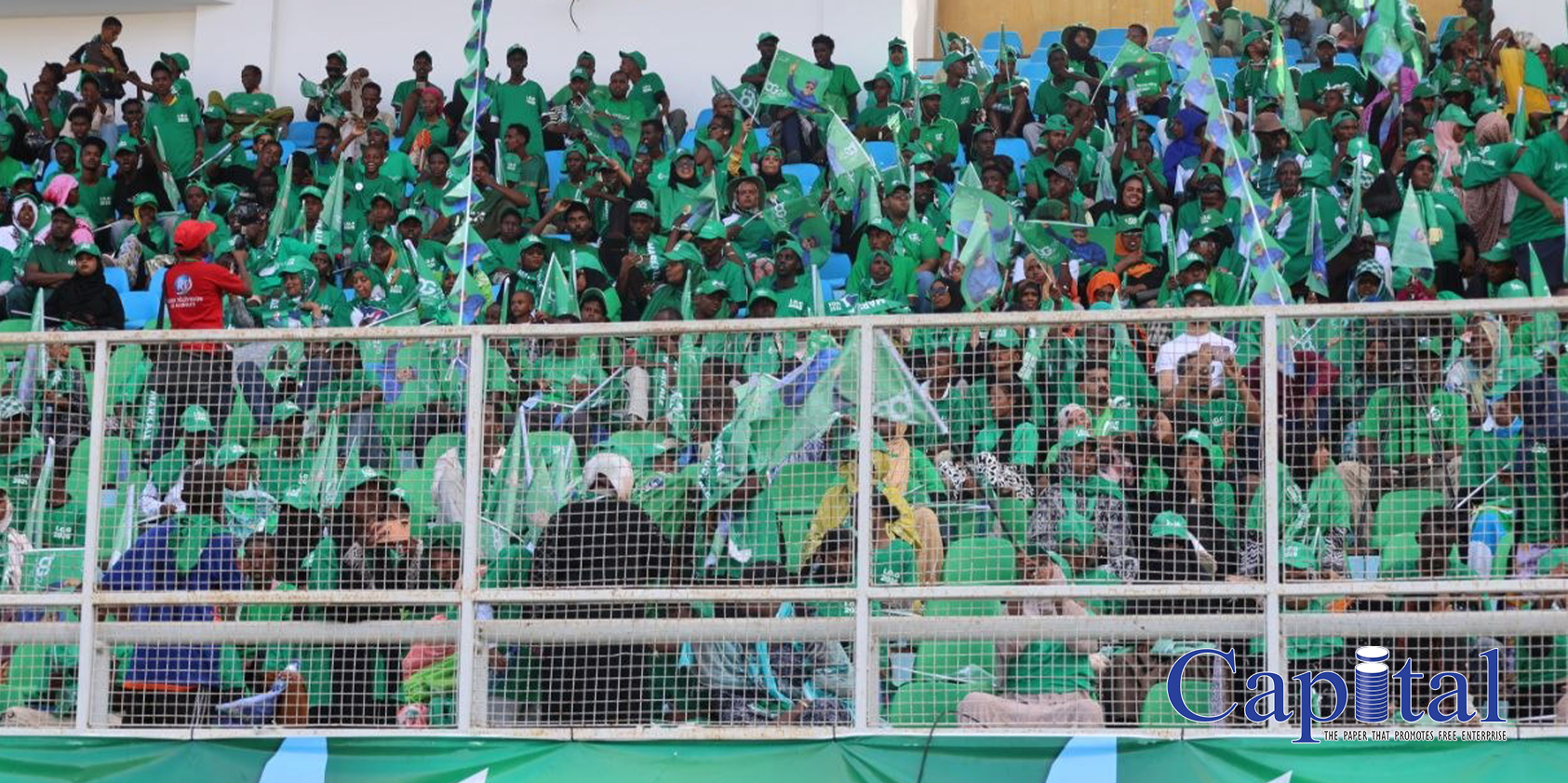
The 2026 Presidential Election: Candidates and Stakes
Against this backdrop of rapid transformation, Djibouti held its latest presidential election on Friday, April 10, 2026. In the lead-up to election day, Capital conducted extensive interviews with a diverse group of citizens, from first-time young voters to the elderly who have witnessed the nation’s entire post-independence history. While some expressed concerns about the limited number of candidates and the absence of certain opposition figures, nearly all acknowledged the tangible successes the country has achieved over the past two decades.
The incumbent president, 78-year-old Ismail Omar Guelleh, ran under the banner of the ruling Union for the Presidential Majority (UPM). His sole challenger was Mohamed Farah Samatar of the Unified Democratic Centre (UDC), who actively campaigned in the Tadjourah and Obock regions, rallying support with the slogan “another Djibouti is possible.”
It is important to note that several opposition groups chose to boycott the election, a decision that has garnered both domestic and international attention. Despite the boycott, the National Independent Electoral Commission (CENI) confirmed that approximately 250,000 citizens had registered to vote—a significant figure for a nation of one million people.
In a bid to enhance the credibility of its electoral process, the Djiboutian government has invited a significant number of international observers to monitor the upcoming presidential election. Earlier this week, the Ministry of Foreign Affairs and International Cooperation announced the deployment of 67 observers across the country.
These observer missions have been invited from four prominent international organizations: the African Union (AU), the Intergovernmental Authority on Development (IGAD), the League of Arab States, and the Organization of Islamic Cooperation (OIC).
The African Union mission, consisting of 47 observers, is led by former Rwandan Prime Minister Bernard Makuza. This team includes members from sixteen AU member states, such as ambassadors accredited to the African Union in Addis Ababa, representatives from African election management bodies, civil society organizations, and youth groups. The AU stated that its mission will engage with key national stakeholders, including government authorities, election management bodies, political parties, candidates, civil society organizations, and other relevant actors. The AU observation team is scheduled to release its preliminary statement on Sunday, April 12, 2026, at 10:30 a.m. at the Djibouti Palace Kempinski Hotel, where it will present initial findings and recommendations aimed at enhancing democratic governance, transparency, and the rule of law in electoral processes across the continent.
Meanwhile, the IGAD Election Observation Mission (IGAD EOM), led by former Ethiopian President Mulatu Teshome, consists of 17 short-term observers from Ethiopia, Kenya, Somalia, South Sudan, and Uganda. These observers represent national election management bodies, civil society organizations, and youth groups, and have been deployed across all regions of Djibouti to monitor election-day procedures, including the opening and closing of polls, voting, and the counting of ballots at polling stations.
The IGAD mission has indicated that its assessment will be based on Djibouti’s domestic legal framework governing elections, the IGAD Draft Protocol on Democracy, Governance and Elections, the African Charter on Democracy, Elections and Governance (ACDEG), and the International Declaration of Principles for International Election Observation. The team is actively engaging with Djiboutian state authorities, including the Ministry of Interior, CENI, political parties, media, civil society organizations, diplomatic representatives in Djibouti, and other election observation missions.
Looking Ahead
As Djibouti awaits the official results of the April 10 election, the nation finds itself at a pivotal moment. Supporters of President Guelleh view the past 27 years as a time of remarkable progress—transforming a decrepit port into a network of world-class maritime facilities, transitioning from economic isolation to a thriving free trade zone with hundreds of international companies, and achieving nearly tenfold GDP growth from a state of poverty. In contrast, critics and opposition figures see this election as an opportunity to advocate for greater political pluralism and a more democratic environment.
Regardless of the outcome, Djibouti’s peaceful conduct of yet another presidential election, observed by numerous international monitors, strengthens its reputation as a rare bastion of stability in the often tumultuous Horn of Africa. The future trajectory of the country now lies in the hands of its quarter-million registered voters and the integrity of the electoral process they have just completed.
Results of the election had not been announced at the time of print.