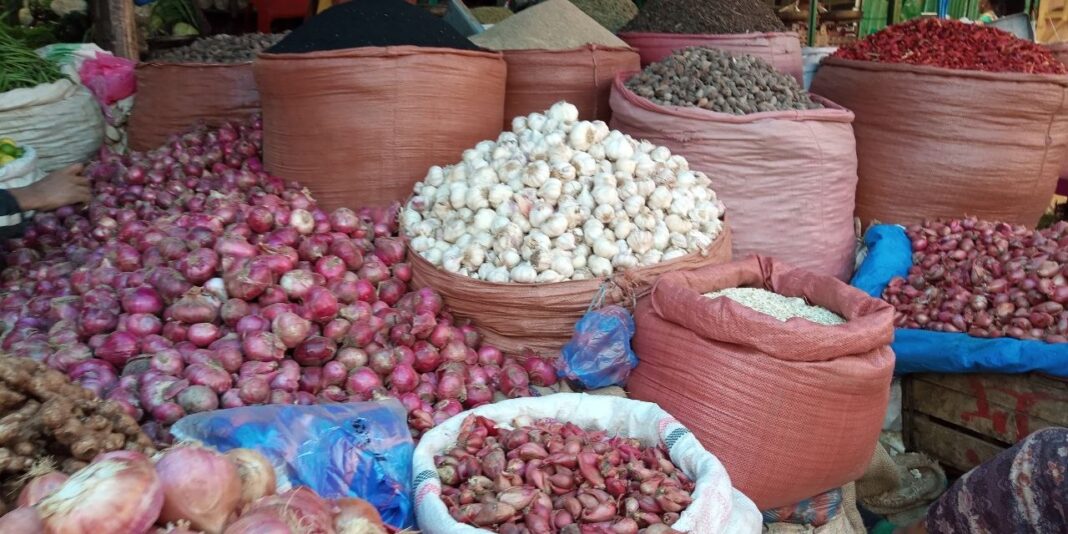
As the scent of Doro Wat (chicken stew) fills homes and the markets of Merkato, Akaki, and Shola buzz with holiday shoppers, this year’s Ethiopian Easter (Fasika) feels markedly different from past celebrations.
Although the faithful have completed the 55-day Great Lent and are preparing for the holiday, the high cost of living—driven by the global fuel crisis—forces many to spend their future savings on immediate needs.
Easter in Ethiopia is a significant occasion that strengthens social bonds beyond religious observances. The spiritual humility of Passion Week, following Palm Sunday, transforms into joy and feasting on Easter night. However, the April 2026 holiday faces challenges due to ongoing fuel supply disruptions linked to the closure of the Strait of Hormuz.
As Easter approaches, families in East Africa’s most populous nation confront a daunting choice. The fuel supply interruptions that began months ago due to the Strait’s closure have severely impacted Ethiopia’s transport and logistics sectors.
Though the root of the issue lies outside Ethiopia, its effects are felt at every dinner table. Under this shadow, this year’s holiday is celebrated not with current income or salaries, but by depleting savings meant for emergencies.
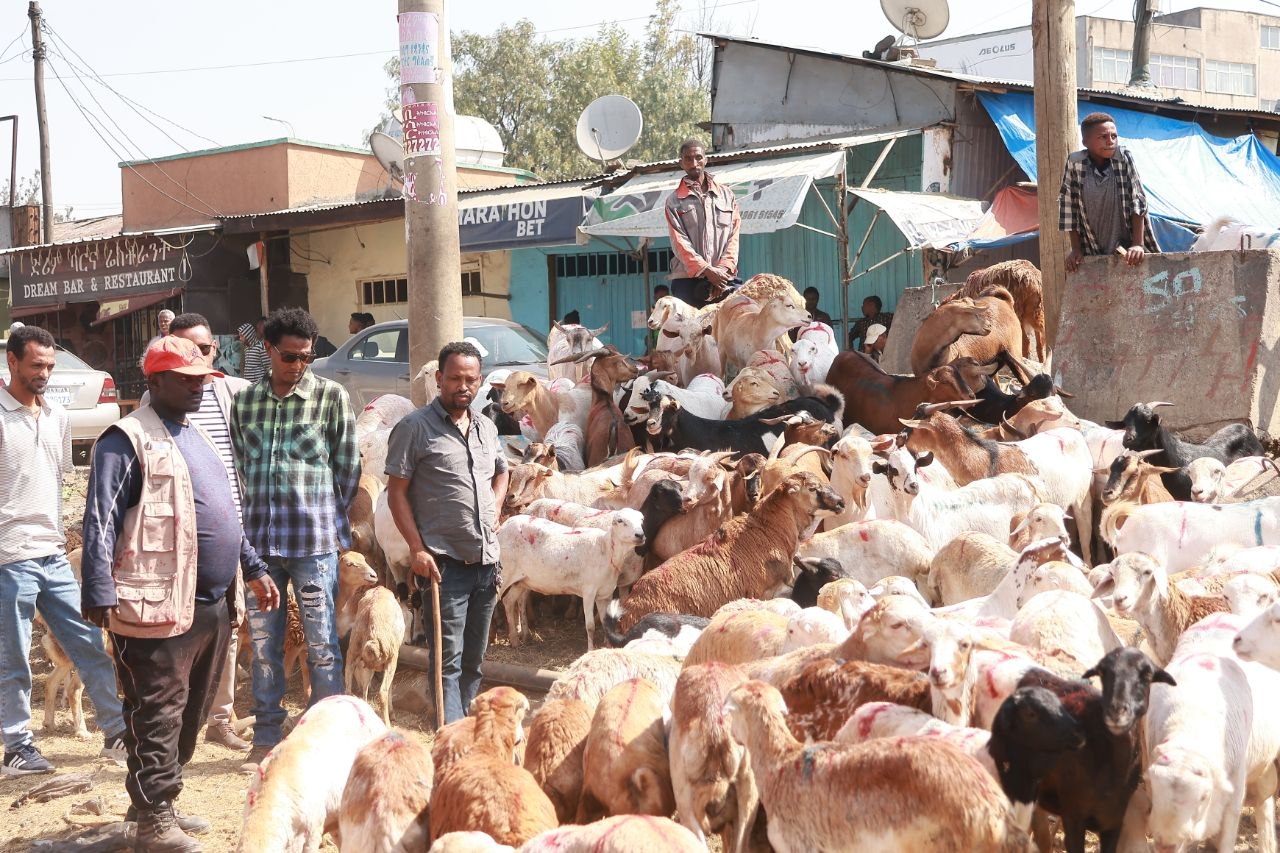
The World Bank’s March 2026 food price estimates indicate that inflation for basic food items remains volatile, directly affecting millions’ purchasing power. Transportation costs have more than tripled in regions from the fertile lands of Gojjam to the cattle-rearing areas of Borena, making it increasingly difficult to bring livestock, chickens, and spices to urban markets.
Minister of Trade Kasahun Gofe recently reported that the price of diesel has surged from $80 per barrel before the conflict to $230 per barrel, while the daily diesel supply has plummeted from 9.2 million liters to just 4.5 million liters.
Prices at Shola and Merkato markets reflect not merely holiday spikes but a “structural” shift in the cost of living.
Senior financial analyst Eyasu Teodros explained, “What we are witnessing is not just ordinary inflation, but a fundamental change in the price floor. Once transport costs are included in the price of chicken or butter, the likelihood of prices returning to previous levels is very slim, even if the supply issues are resolved.”
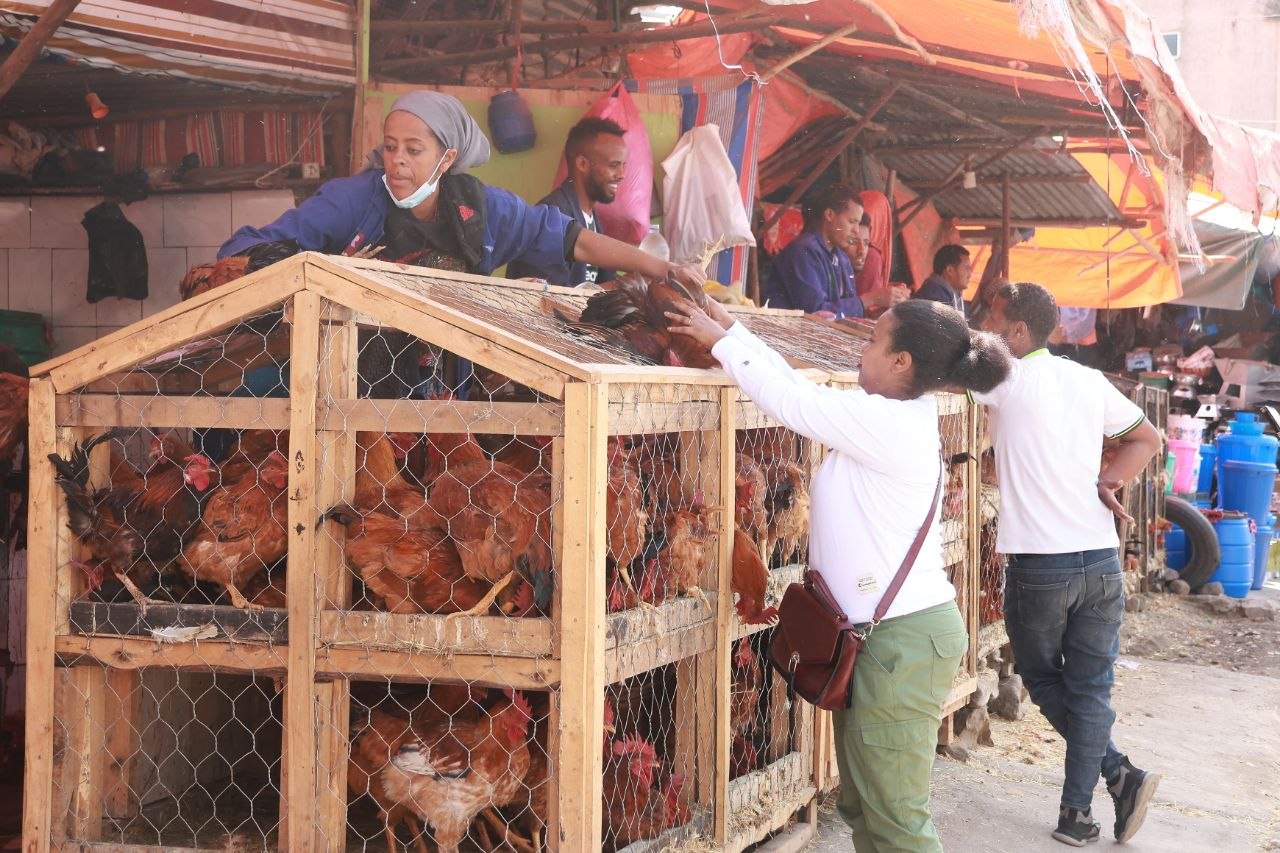
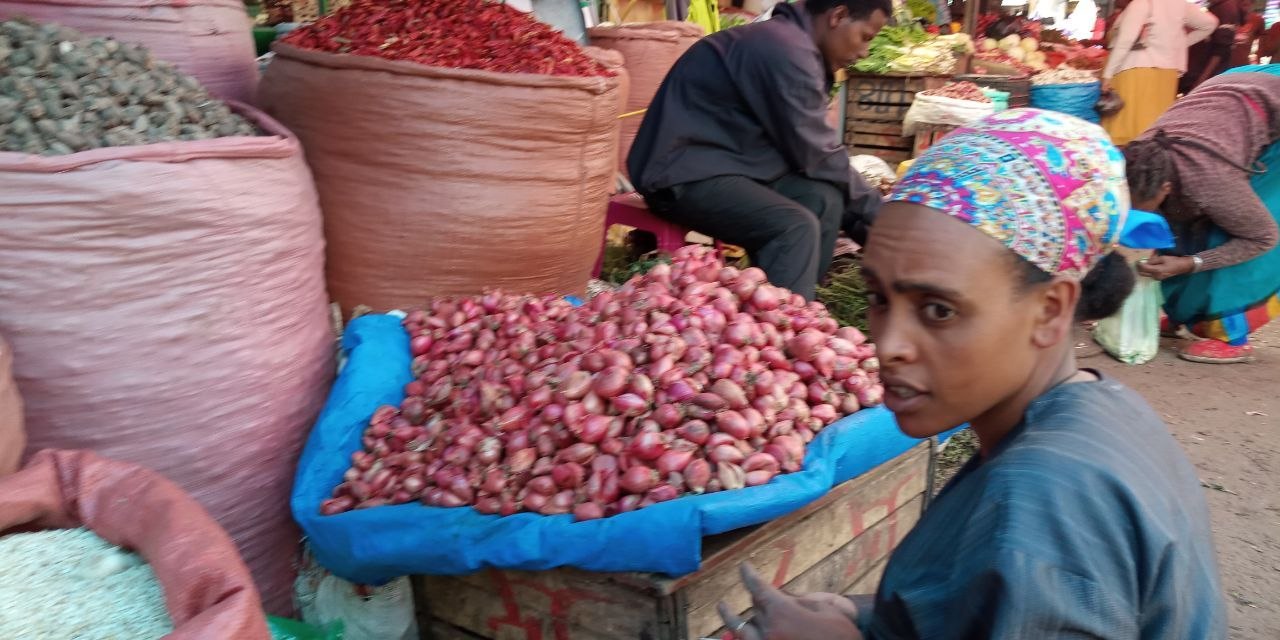
At the Akaki Kality market, Martha Belay embodies the economic strain. A civil servant and mother of three, she finds her salary insufficient for rent and her children’s transportation to school. To afford chicken and butter for this year’s Easter, she had to withdraw 15,000 Birr from savings earmarked for medical emergencies.
“I want my children to experience the holiday, but I am worried about how I will manage the financial strain that follows,” she said anxiously.
This situation unfolds as the government recently announced profits in the financial sector. In a February statement to Parliament, Prime Minister Abiy Ahmed noted that national savings had increased by more than 44% and deposits by 40%.
Experts caution that macroeconomic figures can be misleading for the average citizen. The majority of deposit growth is driven by institutions and investors, while 60% of low-income individuals are exhausting their savings just to cover basic needs.
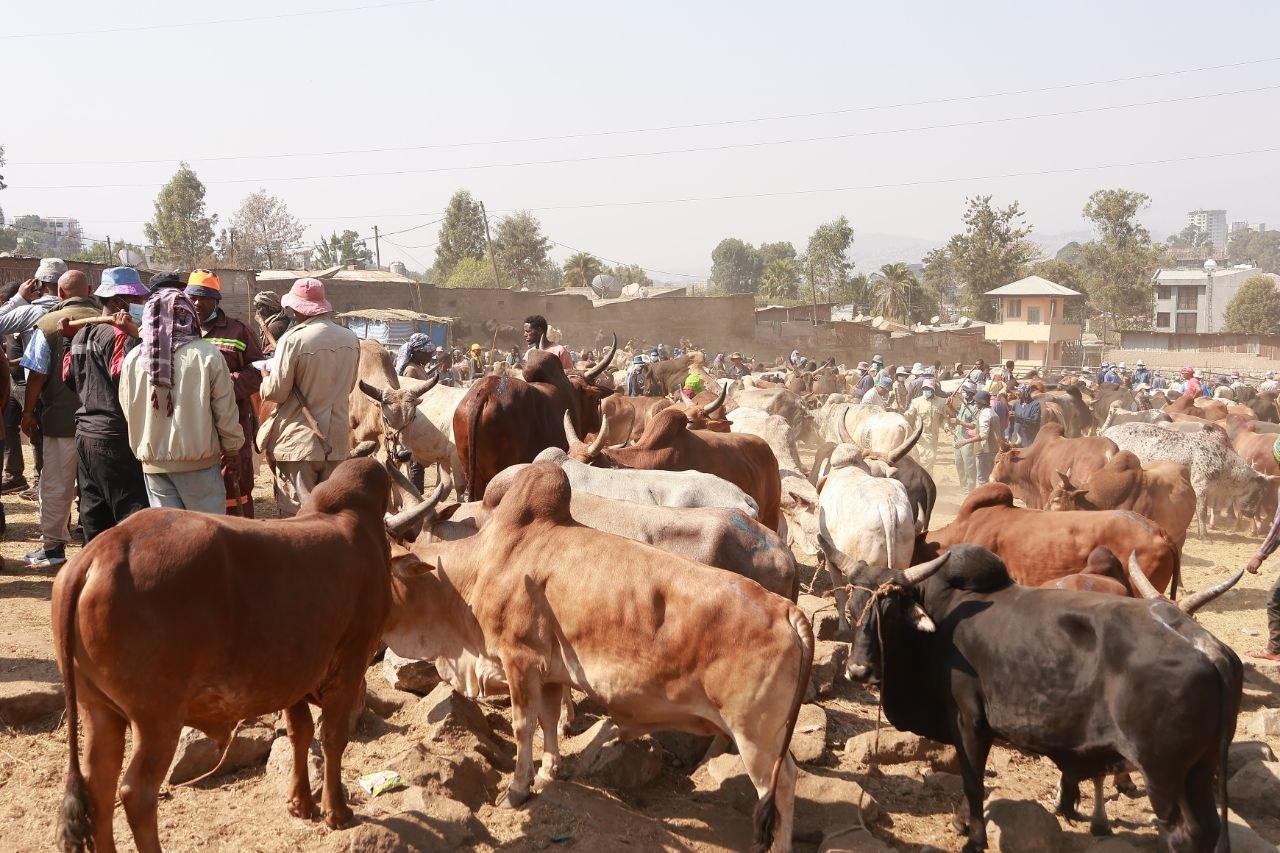
In the sheep section of Merkato, we encountered Abebe Kassahun, a pensioner. After inquiring about the price of a sheep, he fell into silent contemplation. He noted that medium-sized sheep are currently priced between 17,000 and 25,000 Birr.
“At my age, spending a holiday without a slaughter is a great sadness,” Abebe reflects, explaining that his pension barely covers the cost of a single kilogram of meat. He was only able to purchase a sheep this year using money sent by his son living abroad, which was originally earmarked for home repairs. “We are consuming what we saved for the future to satisfy our hunger today; this worries me,” he shares, highlighting the tension between present joy and future security.
For individuals like Tassew Tesfaye, a young taxi driver, the crisis has directly impacted his income. As a newlywed, Tassew spends most of his working hours waiting in fuel lines. He explained to the ‘Africa News Agency’ that the sound of an empty fuel pump nozzle signifies a wasted day.
To afford holiday expenses, Tassew had to dip into his matured “Equb” (traditional savings). Although he had intended that money for changing his taxi’s tires, the cultural obligation to gather and feast with family took precedence.
“I have no choice; gathering and eating with family is our tradition, but my work future is uncertain,” he admits.
Capital has learned from consumers that citizens are compelled to use funds meant for business investment for immediate holiday consumption. This shift is casting a shadow on the sustainability of the financial sector, with experts noting a significant liquidity shortage among banks.
Following the U.S. and Israeli attacks on Iran at the end of February, the subsequent conflict has led to the closure of the Strait of Hormuz.
For landlocked Ethiopia, which imports over 95% of its fuel through the Gulf of Aden, rerouting cargo ships around South Africa’s Cape of Good Hope has dramatically increased supply chain distances.
“Easter is a deeply ingrained cultural value—families celebrate the holiday despite financial pressures,” says an expert. However, the source of holiday funds has shifted. The fuel shortage has driven transport and food prices sky-high, forcing families to deplete their emergency savings.
This trend poses a systemic risk to the banking sector. Although the National Bank reports that the Non-Performing Loan (NPL) ratio has stabilized at 3.1%, relying on savings for consumption is not sustainable. If deposit levels continue to fall, banks will lack the capital needed for loans.
The financial sector also faces challenges related to informal lending. When regular income fails to cover living costs, many turn to private lenders for quick relief. “This is not a case of irresponsible borrowing,” the expert explains. “It stems from cash flow pressures.”
The real danger is that families may repeatedly fall into debt to repay previous loans. If the formal financial system does not implement flexible, short-term loan options, customers may resort to the “black market” or informal lending systems.
Although price stability is anticipated after the holiday, experts cautions that this “partial price change” may become permanent. Since fuel prices impact the entire supply chain from exporter to retailer, prices could remain elevated even if supply issues are resolved. According to data from the Ethiopia Statistics Service (ESS), general inflation for March 2026 was recorded at 9.4%.
The ESS indicates that food inflation is the primary driver of the overall cost of living. Non-alcoholic beverages and coffee experienced a significant price increase of 37.7%. Additionally, meat prices rose by 14.7% annually, while milk, cheese, and eggs increased by 14.0%. Edible oils and fats saw a rise of 12.4%.
The current disruption is also revealing structural failures within the economy. Despite a high wheat harvest expected to reach 7 million metric tons, bread prices remain high. The fuel shortage has led to increased transport costs from farms to markets, and a lack of foreign exchange for flour mill maintenance has created a bottleneck.
Financial experts assert that to stabilize the market, banks must extend their role beyond traditional functions. They should provide targeted liquidity support for wholesalers and retailers to ensure that goods reach consumers despite the disrupted supply chain.
Minister of Trade and Regional Integration Kasahun Gofe emphasized earlier this week that “using the fuel price hike related to the current instability in the Middle East as an excuse to implement illegal price increases on products—whether related to fuel or not—is completely unacceptable.”
He further clarified that there is currently no shortage of agricultural products or other basic commodities that would justify a price increase. Reports indicate that over 2,100 weekend markets have been organized across Ethiopia, directly connecting consumers with suppliers.