Africa is among the regions most exposed to the fallout from disruptions in the Strait of Hormuz, with the United Nations Conference on Trade and Development warning that higher oil prices could deepen inflation, strain budgets and hit vulnerable economies hard. The warning is especially relevant for African least developed countries and small island developing states that depend heavily on imported fuel.
UNCTAD said 65 of 75 vulnerable economies it examined are net importers of oil, and 983 million people live in those economies. More than 30 percent of them live below the extreme poverty line of 3 dollars a day, making any increase in fuel costs a direct threat to already fragile household budgets.
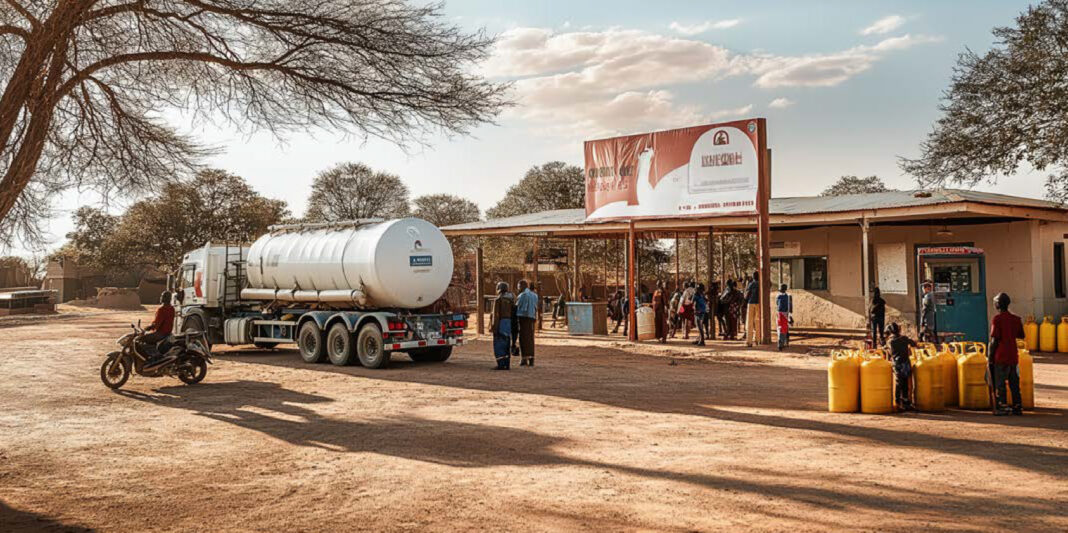
The report said vulnerable economies mainly import refined oil products rather than crude, because many lack sufficient refining capacity. In 2024, refined products accounted for 97.8 percent of net oil imports in the group of oil-importing vulnerable economies, leaving them highly exposed to price spikes.
UNCTAD warned that a 50 percent rise in oil prices could raise the annual oil import bill of vulnerable economies by 20.4 billion dollars, including 16.1 billion dollars for least developed countries and 4.3 billion dollars for small island developing states. For countries already struggling with debt, food insecurity and weak fiscal buffers, that bill would force hard trade-offs between fuel subsidies, public services and long-term investment.
Several African countries would be hit especially hard. UNCTAD’s table shows that among least developed countries, Mauritania could see an import bill increase equal to 7.3 percent of GDP, while Gambia would face 6.3 percent and Burkina Faso 5.0 percent. Liberia, Zambia, Lesotho and Mali also rank high on the list of economies with large import bill increases.
The report also flags African states that rely heavily on oil sourced from the Hormuz region. Uganda sources 61.5 percent of its oil imports from the area, Mauritius 58.3 percent, the United Republic of Tanzania 56.0 percent and Zambia 44.7 percent. Other African economies listed include Mauritania, Mozambique, Malawi, Senegal, Cabo Verde, Togo and Benin.
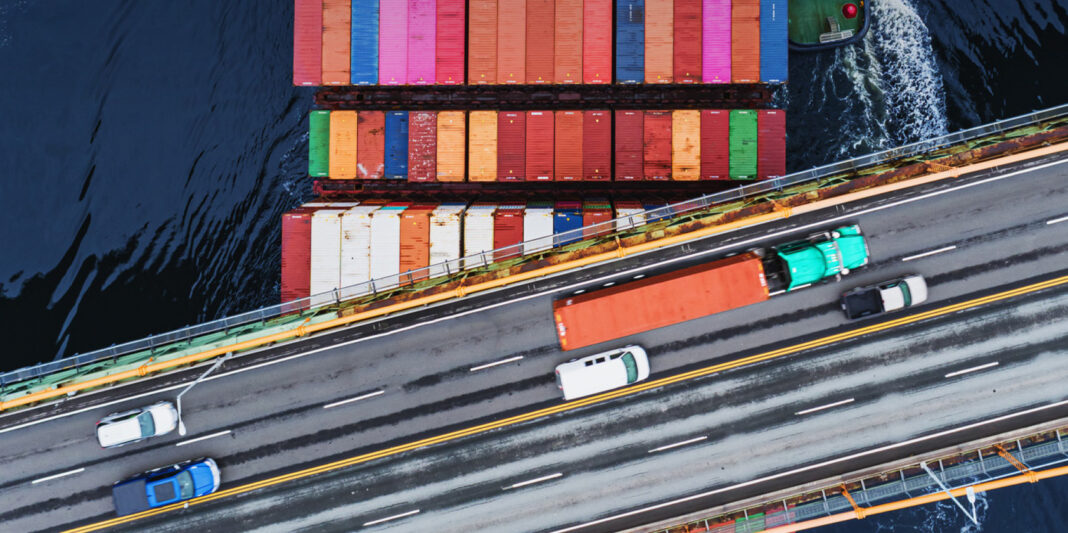
UNCTAD said the consequences would extend beyond higher fuel bills. Rising oil prices push up freight and transport costs, feed broader inflation and can weaken exchange rates and growth. For governments with limited fiscal room, the shock can also widen current account deficits and increase pressure on public finances.
The agency said the situation shows how geopolitical disruptions in one corridor can quickly become a development crisis for the world’s poorest economies. In its warning, UN Secretary-General António Guterres said that when the Strait of Hormuz is strangled, the world’s poorest and most vulnerable cannot breathe.