The National Bank of Ethiopia (NBE) has announced a pivotal step toward formalizing the country’s rapidly growing interest-free banking sector through the establishment of a central Shari’ah Advisory Board.
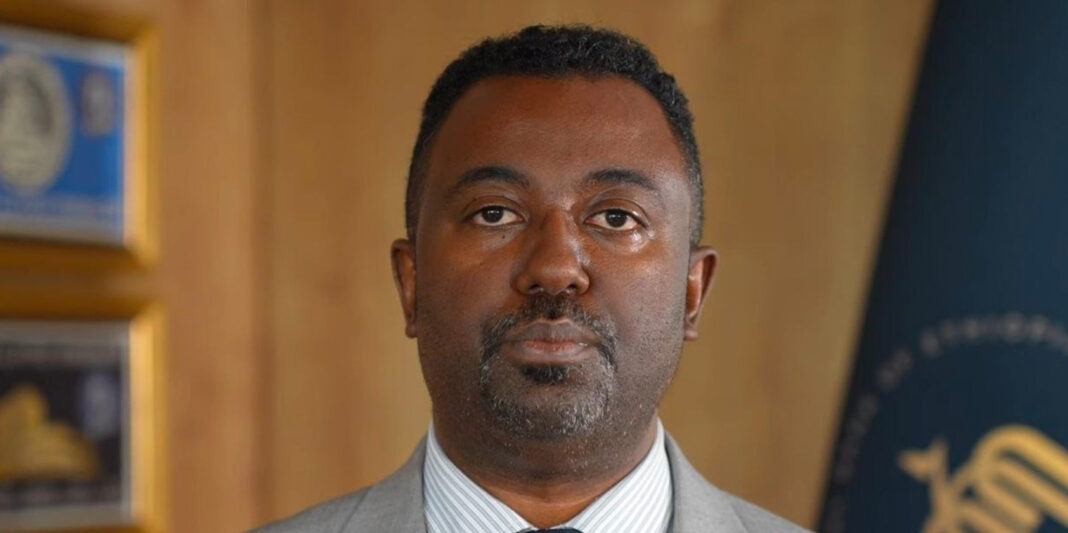
According to Frezer Ayalew, Director of Banking Supervision at the National Bank, who noted that the move marks a significant milestone in Ethiopia’s financial sector history, establishing a unified governance framework for Shari’ah-compliant financial services nationwide.
Ethiopia’s journey into Islamic banking began with the 2008 Banking Business Proclamation, which permitted window operations. This was followed by fundamental product directives in 2011 and critical regulatory reforms in 2019 that paved the way for fully interest-free banks.
The legal framework was further reinforced by the revised Banking Business Proclamation, which officially integrated interest-free banking as a core operational pillar of the central bank, permitted foreign investment, and outlined clear guidelines for targeted oversight.
Recent data from the National Bank reveals that 24 banks now provide interest-free services through dedicated windows, managing over 33 million savings accounts with assets exceeding 567.1 billion Birr (approximately 3.2 billion USD). Furthermore, customer financing has reached 237.2 billion Birr (1.3 billion USD) across 86,000 accounts, allowing interest-free products to capture over 10% of total bank deposits nationwide.
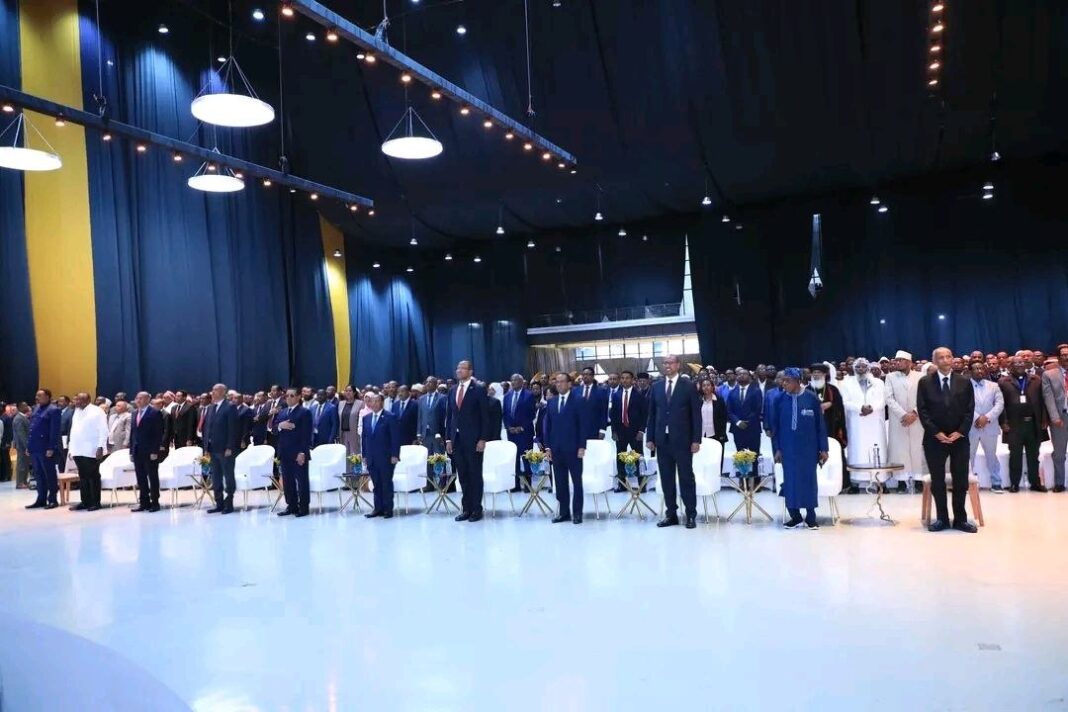
Frezer said at during the 6th International Interest-Free Banking and Takaful Forum, limited public awareness of interest-free financial principles, a shortage of specialized human capital, and an inadequate legacy Shari’ah governance framework have historically presented major challenges.
Previously, the absence of a central advisory board required each financial institution to establish its own independent Sharia committee, leading to divergent interpretations of compliance standards. Emphasizing a strategic commitment to a dual financial system, the central bank aims to ensure that a Sharia-compliant alternative operates alongside every conventional financial institution in the country. “The goal in Ethiopia is to establish a dual system where there is a corresponding Shari’ah-compliant or interest-free financial actor for every conventional actor in the industry,” he explained.
Historically, individual banks operated separate compliance supervisory committees without a cohesive national framework. This fragmentation led to inconsistent operational practices, challenges in asset-based financing, and risks of double taxation. To resolve these vulnerabilities, the National Bank has developed a tailored legal framework under the revised banking proclamations, with the central Shari’ah Advisory Board serving as its cornerstone.
According to Frezer, this overarching body will eliminate regulatory inconsistencies, establish robust compliance and audit standards, and align domestic practices with global benchmarks set by organizations such as the Islamic Financial Services Board (IFSB) and the Accounting and Auditing Organization for Islamic Financial Institutions (AAOIFI).
Simultaneously, the central bank is deploying comprehensive liquidity management tools tailored for Islamic institutions. Interest-free banks previously lacked a Sharia-compliant interbank market infrastructure, making it difficult for institutions with cash surpluses to share funds with peers facing deficits.
To bridge this gap, the National Bank is introducing specialized instruments—including a lender-of-last-resort facility, discount windows, and deposit insurance—providing interest-free banks with safety nets comparable to those of conventional institutions.
A comprehensive study titled Legal and Regulatory Issues of Islamic Finance in Ethiopia underscores the urgent need for a robust legal framework tailored to the unique attributes of Islamic finance. The study highlights the necessity of a dedicated regulatory unit within the NBE and stresses the vital role of qualified professionals and Shari’ah scholars in the sector.
Drawing inspiration from international models in Malaysia and the United Arab Emirates (UAE), the central bank is firmly committed to its dual-system blueprint. “Globally, different countries have different models,” He remarked. “While some nations follow a pure canonical or independent system, countries like Malaysia and Dubai maintain a dual system with a ‘conventional plus’ approach. At a strategic level, Ethiopia’s goal is to adopt this dual model.”
This vision is operationalized through the National Interest-Free Finance Strategy (IFB), which is currently undergoing stakeholder consultation. The strategy provides a unified long-term roadmap addressing critical priorities such as financial inclusion, resource mobilization, accessibility, and active private sector participation.
The central Sharia Advisory Board is expected to spearhead research and education on interest-free products while driving the introduction of innovative instruments, including Sukuk (Islamic bonds). Furthermore, the Ethiopian Securities Exchange (ESX) has indicated that Sukuk will feature prominently among primary Sharia-compliant instruments, alongside Islamic equities and mutual funds.