There seems to be an endless stream of announcements lately regarding the topic of ESG–the acronym for Environmental, Social and Governance framework. From financial products, partnerships, to trainings, the topic is permeating the Ethiopian news landscape at great speed. In many ways, ESG has entered our national conversation not quietly, but with the force of something that is reshaping expectations across sectors. A few important events have accelerated this momentum, chief among them the National Bank of Ethiopia’s directive requiring banks to integrate ESG principles into their core operations. We are now hearing terms like “green financing” and “gender bonds,” with much of the conversation revolving around the financial sector’s evolving responsibilities.
Globally, ESG principles are not seen as a simple checklist to fulfill corporate social responsibility duties, but increasingly as mandatory requirements. A good example is the Corporate Social Reporting Directive (CSRD), legislation that requires over 50,000 EU companies to report detailed ESG metrics–from strategies on pollution prevention to board diversity breakdowns. Ethiopia is also not immune to the impact of stringent regulations introduced elsewhere. With the announcement of the EU Regulation on Deforestation-free Products (EUDR) in 2023, Ethiopian coffee producers must now provide geographic coordinates to prove that their coffee is grown on non-deforested land. By all indicators, ESG has become a financial decision. Organizations that embed it in their strategy are better positioned to access global markets, attract investors, mitigate operational disruptions, and avoid fines or legal obstacles.
Yes, ESG is all about measures, data-driven impact and embedding quantifiable sustainability outcomes, but the way it is often described makes it sound like a brand-new obligation we have to quickly study and comply with. Yet if we look closely at its core essence-environmental stewardship, communal wellbeing, ethical leadership-these are values deeply rooted in our culture. Which of us is not familiar with iddir, the traditional mutual-aid association that binds communities together? And what about environmental preservation? We have
UNESCO-recognized practices like the Konso terraces, landscapes intentionally engineered to conserve water and prevent soil erosion. Governance, too, is not foreign to us. The shimgilina or elders’ councils, who mediate conflict and uphold customary laws, mirror essential governance principles. And gadaa – a sophisticated governance system that organized social, political and economic life for centuries, is yet another reminder that structured leadership and accountability frameworks are not new concepts here.
This isn’t meant to imply that we know it all and there isn’t room to learn. Rather, it is about bridging Ethiopia’s cultural foundations of sustainability with emerging global frameworks. As it stands, there are still gaps that make ESG adoption challenging, particularly the lack of a shared understanding and a platform to explore what ESG truly means in the Ethiopian context. It is imperative to recognize that the principles and requirements that come with ESG will not be confined to the financial sector. As Ethiopia accelerates its economic reforms and expands its industrial base, no sector will remain untouched. While the changes may feel daunting, they also present an opportunity to rise to the moment and begin asking what ESG means for each of us in our respective fields. It could start with simple questions: How do we make our impact more measurable? What standards need to guide our actions? What practical steps can we take? And how do we build stronger partnerships and communities of practice as Ethiopia enters a chapter where frameworks like ESG will become the new norm?
The path ahead will require learning, alignment and new ways of working, but it does not require abandoning who we are. Ethiopia has long held the principles that ESG now asks the world to measure. Our task is to translate these values into systems, standards and partnerships that meet today’s realities. If we can do that together, ESG will not feel like an obligation imposed on us, but an opportunity shaped by us, one that carries forward our heritage while preparing the country for what lies ahead.
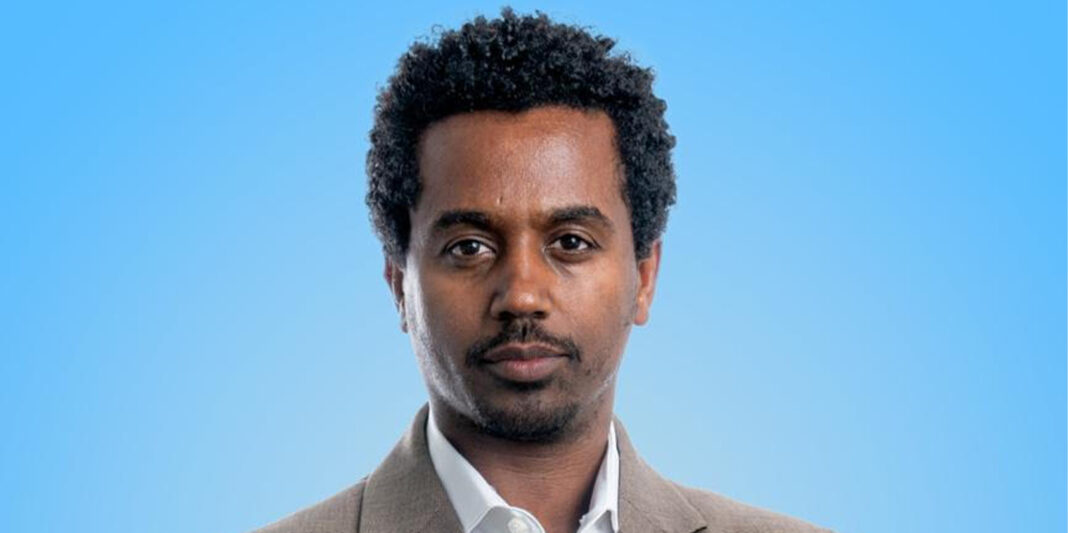
Mesfin Teshome is the Co-founder and Managing Director of Resolution Studio, a social impact creative and strategy consultancy based in Addis Ababa. Resolution Studio is also the convenor of The ESG Forum 2026, a national platform advancing dialogue on Environmental, Social and Governance integration in Ethiopia.