The Ethio-Djibouti Railway SC (EDR) is set to significantly enhance its operational capacity by doubling its fleet of freight wagons and electric locomotives by the end of the year.
This expansion is part of a strategic transformation, transitioning from managing the critical cross-border rail link to becoming a diversified holding company with interests in multimodal logistics, construction, and large-scale civil engineering.
Currently, EDR operates 1,100 freight wagons and 35 electric locomotives, and the planned fleet increase is expected to substantially improve its cargo handling capabilities in the coming months. At the same time, the company is pursuing several key infrastructure projects to expand its network.
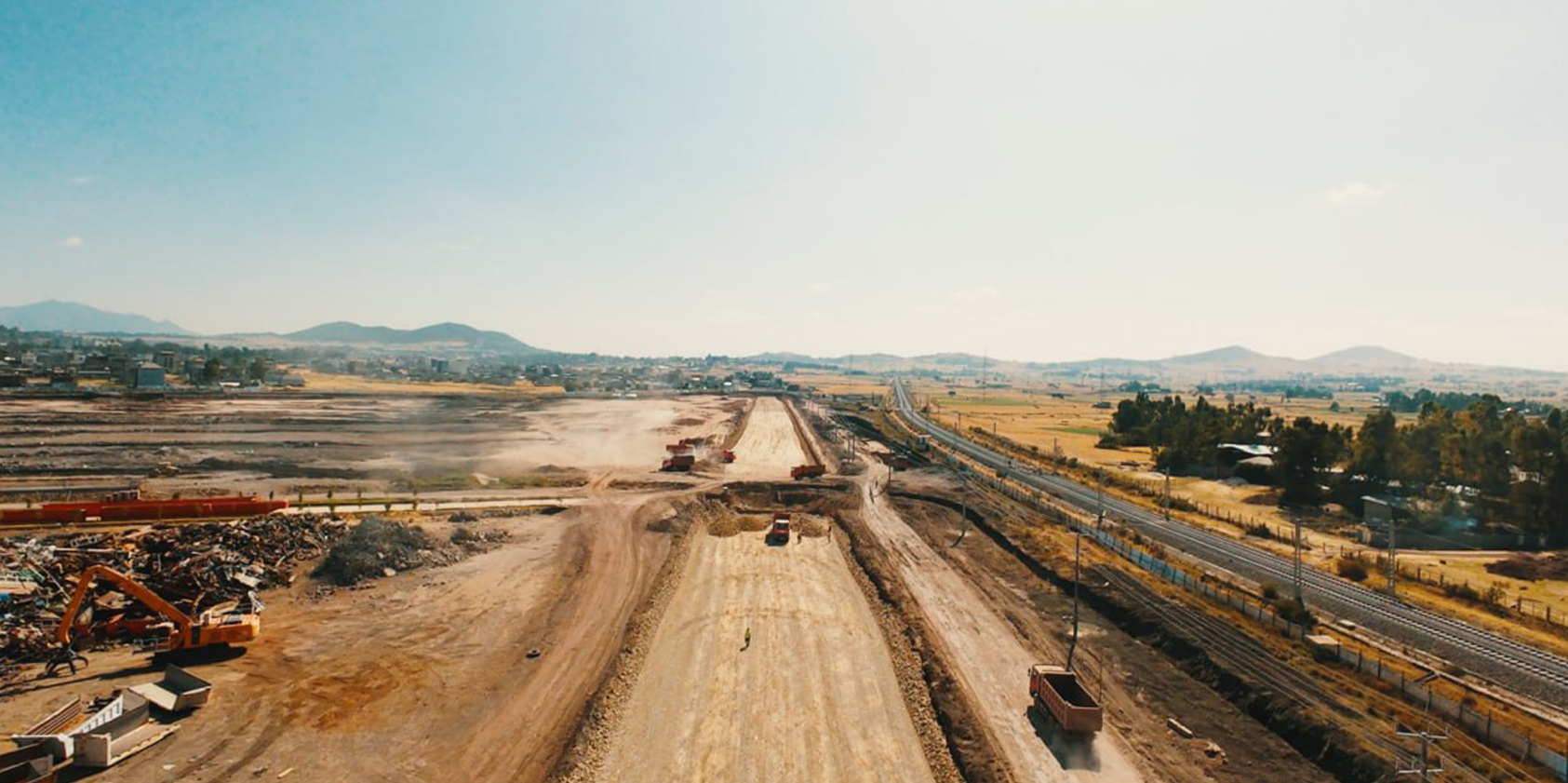
Among these projects is a three-kilometer spur line connecting the AMG Industrial Park to the Gelan station, which is already in progress, along with civil works to link the Horizon Djibouti Terminals Limited (HDTL) oil terminal in Doraleh to the main railway line in Djibouti.
This latter connection is expected to significantly enhance railway operations by integrating oil transportation into the rail freight system.
Additionally, EDR is interested in a future 47-kilometer dual-line project that would connect Bole International Airport to the planned airport city in Bishoftu.
This ambitious expansion is supported by strategic partnerships. EDR has signed a technical consultation agreement with the China Civil Engineering Construction Corporation (CCECC), leveraging CCECC’s extensive regional experience to strengthen EDR’s project execution capabilities.
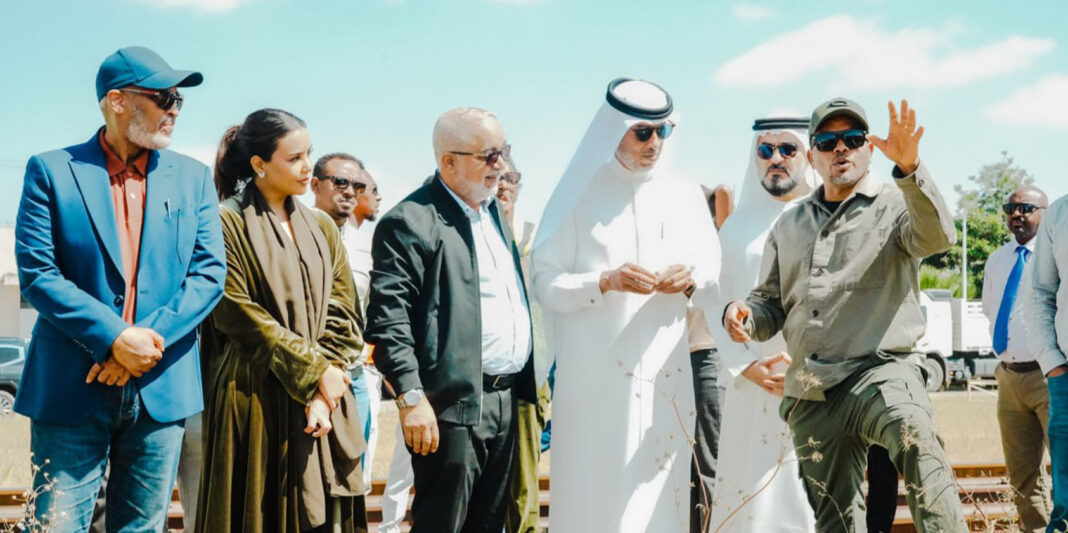
A recent high-level visit from an ENOC Group delegation, led by Acting CEO Hussain Sultan Lootah, highlights the growing international collaboration.
Invited by EDR’s CEO, the delegation toured the AMG plant to gain insights into rail-connected facility operations relevant to HDTL’s projects.
During his regional tour, Lootah emphasized ENOC Group’s commitment to enhancing energy infrastructure and fuel storage capabilities in East Africa. His discussions in Djibouti and Addis Ababa, which included meetings with Djibouti’s President Ismail Omar Guelleh and Ethiopia’s Minister of Finance, focused on strengthening ties to promote regional logistics and economic growth.
A key outcome of these discussions was the agreement to establish a dedicated task force with a regular meeting schedule and a mechanism for rate determination.
Under the strategic vision articulated by CEO Takele Uma, EDR is now aligning its operations around three core pillars: railway operations, global logistics (led by EDR Global Logistics), and a dedicated engineering division.
This pivot positions the company to effectively manage its rapid diversification and play a central role in driving sustainable development and regional integration.