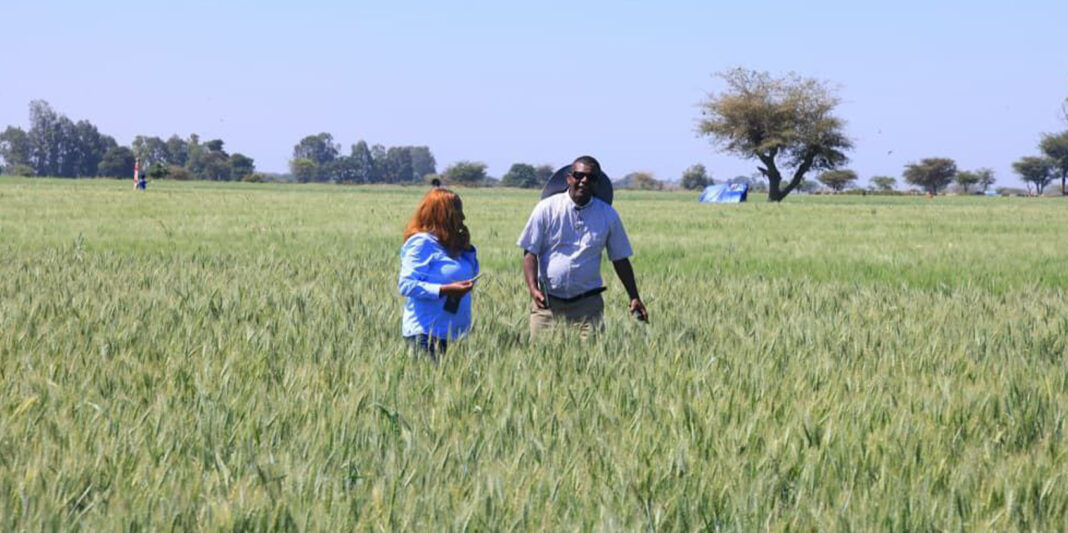
East Shewa Zone, long Ethiopia’s agricultural powerhouse, has transformed its vast plains into golden wheat fields through farmer clusters and mechanisation. Yet smallholders at the heart of this “wheat revolution” are sounding the alarm: illegal brokers and volatile prices are turning their bumper harvests into financial struggle.
Just three years ago, farmers in districts like Lume and Dugda were leasing land to investors growing high-value vegetables. Today, through the Agricultural Production Commercialization Cluster (ACC) programme backed by the Agricultural Transformation Institute (ATI), they’ve reclaimed their fields. Organised in groups, they’ve pooled land for access to pumps, quality seeds, fertilisers and machinery — cultivating wheat across 373,000 hectares under summer irrigation alone.
“Three years ago, the farmer was a tenant on his own land. Today, he’s the master,” said a local development agent. East Shewa now boasts over 700 tractors and 80 combine harvesters, making it the country’s mechanisation leader. Yet when harvest time arrives, the excitement fades.
Unlicensed middlemen descend on fields, buying in bulk at depressed prices — 58–63 birr per kilo last year — then hoarding to sell at double later. “Market linkage is very difficult,” a development worker told Capital. “Farmers accept broker prices just to repay bank loans.” Without government price guidelines across wheat varieties, small producers bear the cost of inputs, pests and labour while barely covering interest.
Abnet Zegeye, Deputy Head of East Shewa Agriculture, called the wheat push a “national security issue” requiring the entire banking sector’s support, not just Siinqee Bank. Small plots often receive inadequate credit — 200,000–300,000 birr per hectare — insufficient for fuel and equipment maintenance. “Credit must arrive on time, when the season demands it,” he stressed.
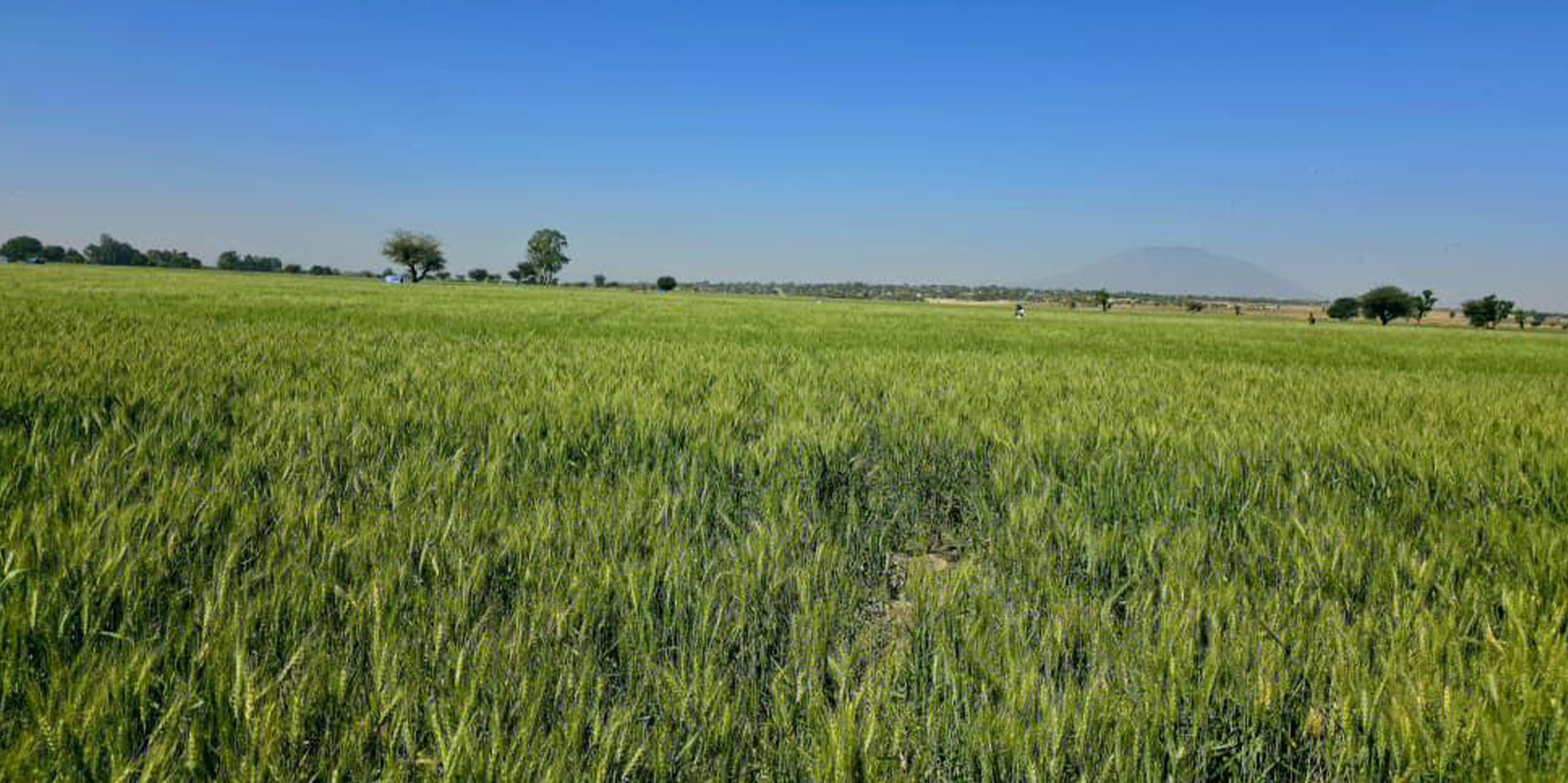
Nature adds to the woes. Red-beaked quelea birds — dubbed “winged locusts” — ravage 10,697 hectares of maturing crops. Beshada Shume, a kebele administrator, said farmers guard fields day and night in uniform shifts from October to November, while authorities track flocks via GPS and spray breeding sites. “Protecting 10,000+ hectares is nearly impossible,” he admitted, though preparations for 2025/26 show improvement.
Harvest logistics compound the crisis. Districts with 10,000+ hectares ready simultaneously share just a handful of combine harvesters. Zegeye looks to avocado export chains and youth employment models like “Adey” for inspiration, aiming to save 35 percent of farmer profits for reinvestment. “Agriculture is now a business, not a last resort — but markets must stabilise.”
Experts propose urgent fixes: agricultural unions buying directly at better prices; Agricultural Business Companies (ABCs) under ATI’s ACC II ($128 million budget targeting 6.5 million farmers); and broader bank participation. ATI’s Vision 2040 — which claims $1.7 billion GDP growth since inception — promises rural transformation through roads, electricity, finance and youth jobs (611,000 opportunities, 80% women via $74.5 million Mastercard Foundation funding).
Farmers who’ve embraced mechanisation plead for market protection to match their field gains. Without it, East Shewa’s wheat fields risk becoming another tale of production plenty but profit poverty.