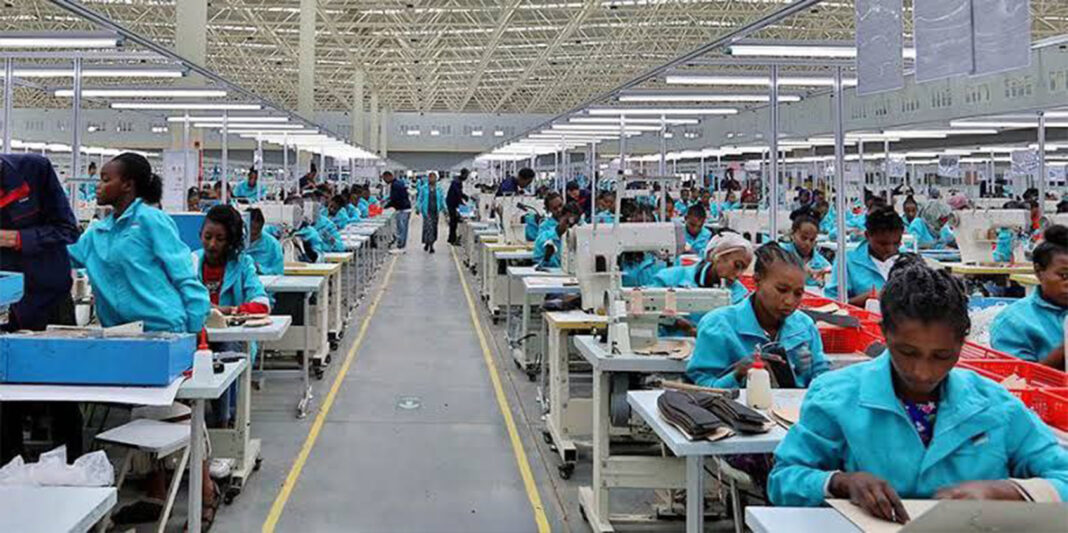
Ethiopia’s industrial parks — once hailed as engines of manufacturing growth — are bleeding skilled labour, with only 20% of 350,000 trained workers still employed in the sector, according to a new Policy Studies Institute (PSI) survey.
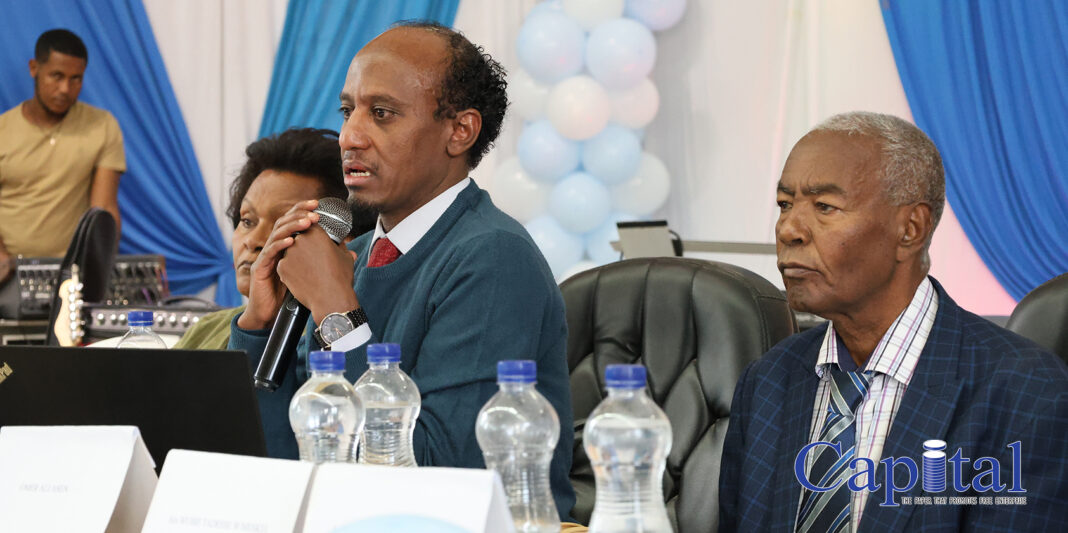
The comprehensive study, presented at a PSI consultative forum on industrial parks and special economic zones, reveals that while parks have invested heavily in training since the first facility opened in 2007, high turnover, low wages and global market shocks have slashed the active workforce to roughly 70,000.[conversation context]
Dr. Alemnew Mekonen, PSI lead researcher, called the situation “alarming.” “Parks have trained over 350,000 workers, but now employ just 70,000. Retention rates are critically low,” he said, pinning blame on wages that fail to match urban living costs, particularly for rural youth — especially women — entering factory work for the first time.
Ethiopia operates 24 public and private parks spanning 4,600+ hectares, which peaked at 90,000 employees and 40% of national manufacturing exports. But the AGOA suspension has triggered a sharp downturn: 28% of firms report major export declines, 24% have pivoted to domestic markets, and 14% seek new buyers abroad. This has forced 39% workforce cuts across parks.
Sisay Sintayehu, PSI researcher, highlighted parks’ vulnerability: factories import 95% of raw materials, with local linkages below 5%. Foreign currency shortages exacerbate the problem, while inflation and unaffordable housing near hubs like Hawassa and Bole Lemi drive workers away.
The study draws lessons from manufacturing success stories. China selected special economic zones based on rigorous location analysis, resource flows and market access, powering 60% of exports. Vietnam ties investor incentives to performance, pairs vocational training with worker housing, and offers long-term land leases (up to 70 years) for top exporters.
Researchers urged Ethiopia to abandon politically driven park locations for economically viable sites, enforce local supply chain mandates, and shift to results-based tax breaks. “Choose investors on economic merit, not political pressure,” Dr. Alemnew said, calling for legal frameworks linking foreign firms to domestic suppliers.
Despite vocational investments, the “industrial dream” is colliding with urban realities. Without wage reforms, housing solutions and market stabilisation, Ethiopia risks squandering its park infrastructure and trained manpower at a time when manufacturing revival is critical for jobs and exports.