A hard-hitting Oxfam report has spotlighted Africa’s alarming slide into deeper poverty since 2020, even as billionaire fortunes explode globally, creating fertile ground for elite control and democratic backsliding across the continent.
The report titled ‘Resisting the Rule of the Rich’ reveals that poverty reduction has stalled worldwide, with numbers rising sharply in Africa. Nearly half the global population (48%, or 3.83 billion people) lived in poverty in 2022, while one in four faces moderate or severe food insecurity — up 42.6% since 2015.
Billionaire wealth has hit record highs, surpassing 3,000 individuals for the first time. In 2025 alone, fortunes grew three times faster than pre-Trump averages, with Elon Musk becoming the first half-trillionaire. This surge coincides with hunger affecting one in four people globally, including 92 million in Europe and North America.
Africa exemplifies the disconnect: extreme wealth concentrates while poverty climbs, enabling “oligarchic” influence over politics. Billionaires are 4,000 times more likely to hold office than ordinary citizens, buying elections, media and policy via donations and lobbying.
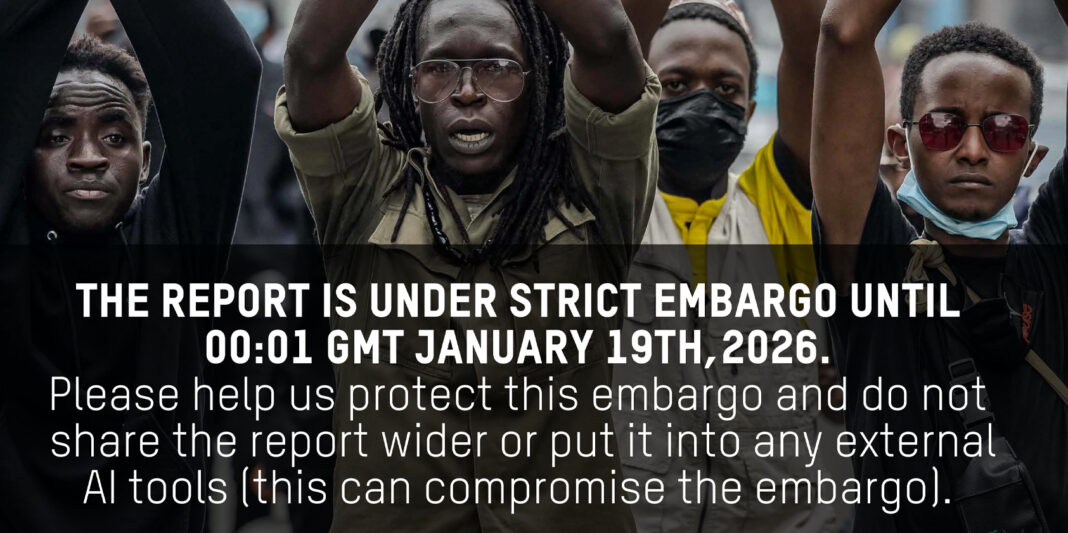
Faced with protests against unaffordable living costs and austerity, governments opt for crackdowns rather than taxing the rich. The report details brutal responses in Kenya (39 killed, 71 abducted in 2024 Finance Bill protests) and Argentina (1,155 injured under Milei’s billionaire-backed reforms).
In Africa, this plays out amid debt crises and inequality, with elites scapegoating migrants to distract from systemic failures. Unequal countries are up to seven times more likely to see democratic erosion — undermining judiciaries, restricting liberties and normalising authoritarianism.
Oxfam demands National Inequality Reduction Plans targeting Gini coefficients below 0.3 and an International Panel on Inequality like the IPCC. Governments must tax super-wealth, ban rich campaign finance, regulate lobbying and protect civic space.
Trade unions, civil society and grassroots movements are hailed as counterweights, with successes like Uruguay’s José Mujica showing the power of mobilising the poor.
The report concludes: Africa and the world face a stark choice — oligarchy or democracy. With billionaire power at its peak, the continent must prioritise redistribution to safeguard freedoms and halt poverty’s rise.