The Ministry of Industry has decided against imposing a total ban on the export of raw hides and skins, opting instead to sustain strict financial measures designed to discourage the practice while promoting domestic value addition.
Senior officials say the government will maintain a 150% export tax on raw hides and raise minimum export floor prices to make the trade commercially unattractive. The move is part of a broader strategy to boost foreign currency earnings and expand job creation through finished leather products rather than rely on limited returns from unprocessed exports.
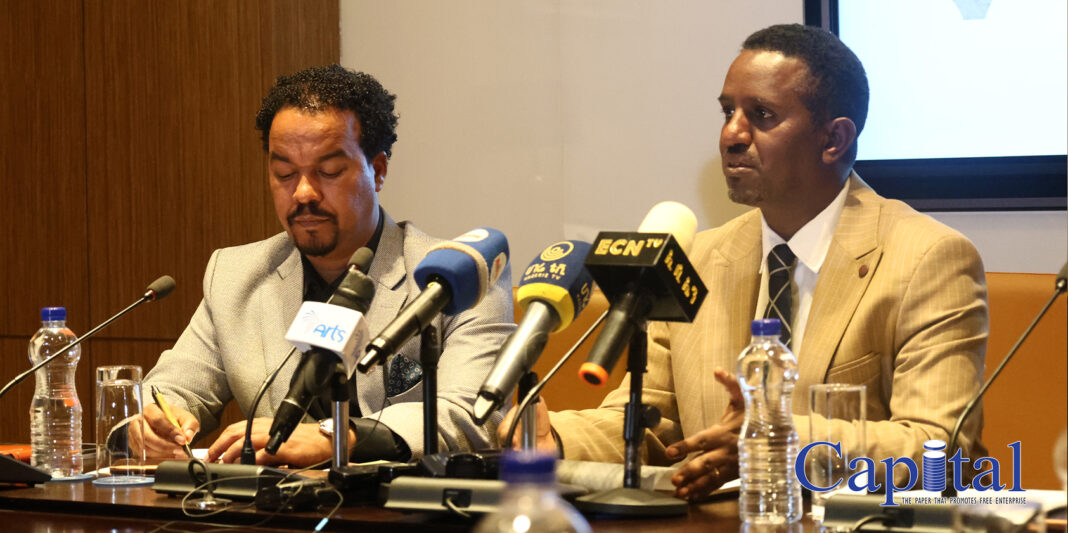
Zerihun Abebe, Chief Executive for Export Products Competitiveness at the Ministry, told Capital that while the government is advancing market liberalisation reforms, a complete export ban would be counterproductive. He noted that ox hides, in particular, are in high demand for consumption in West African markets, a trade driven largely by food demand rather than industrial use.
“We have kept a 150% export tax on raw hides,” Zerihun said, describing the rate as intentionally high. In collaboration with the Ministry of Trade and Regional Integration, the Ministry is also working to increase the minimum export price per hide from $7 to $10.
“These measures make it economically difficult to export raw materials without adding value,” he said. “We haven’t shut it down completely—nor would that be practical—but we are making it unsustainable.”
At the same time, the Ministry is preparing amendments to the Raw Hides and Skins Marketing Proclamation, first enacted in 2013 and revised in 2018. Officials acknowledge that the current legal framework does not clearly define the marketing chain and has created structural barriers for businesses.
According to Zerihun, existing rules prevent manufacturers from sourcing hides directly from downstream suppliers, forcing them to rely heavily on intermediaries. This fragmentation has inflated costs, reduced quality control, and weakened the competitiveness of local tanneries. Consultations are now underway with the Ministry of Agriculture and industry associations to introduce a more flexible and transparent system.
Environmental compliance has also emerged as a significant hurdle. Officials argue that regulatory and ecological pressures, rather than lack of financing, have played a larger role in slowing the sector. To address this, the government is fast-tracking the development of “Modjo Leather City,” an integrated industrial hub that will feature a centralised waste treatment plant. The project is expected to help tanneries meet increasingly stringent international “Green Leather” standards demanded by global buyers.
For more than two decades, Ethiopia’s hides and skins industry has been a cornerstone of the country’s agriculture-led industrialisation strategy. Despite possessing one of Africa’s largest livestock populations, the sector continues to struggle with low off-take rates, poor animal husbandry practices, and persistent quality defects.
Zelalem Merawi, President of the Ethiopian Leather Industries Association (ELIA), highlighted what he described as a troubling contradiction: significant quantities of raw hides are wasted even as factories face material shortages.
“The leather industry was once the country’s second-largest source of foreign currency after coffee,” he said. Today, annual export earnings range between $30 million and $40 million. However, the sector plays a much larger role in import substitution, producing goods valued at up to $3 billion domestically, including footwear for the military and police.
Zelalem pointed to emerging success stories in value addition. Over the past five years, Ethiopia has earned around $180 million from gelatin exports made from leather scraps previously considered waste. “Even rejected hides are being transformed,” he said. “Gelatin for food and industrial use shows that value can be added at every stage.”
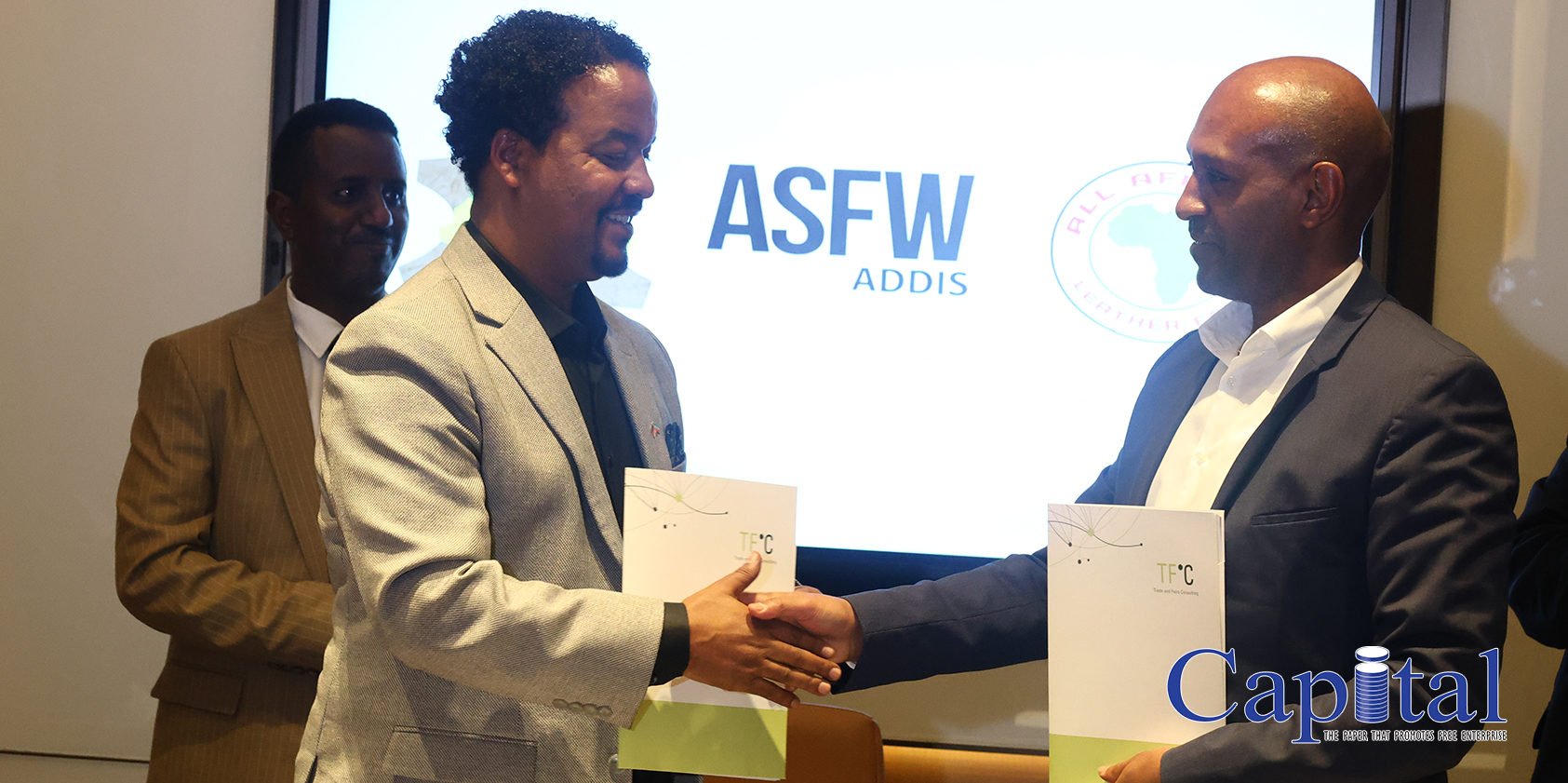
He made the remarks during a signing ceremony in which ELIA partnered with Messe Frankfurt (ASFAW) to host the All Africa Leather Fair, an initiative aimed at positioning Ethiopia as a continental hub for leather fashion by attracting international buyers and showcasing its shift toward finished products.
Despite ongoing reforms, industry stakeholders caution that major challenges remain. Access to credit is limited, raw material shortages persist—partly driven by continued exports—and quality control mechanisms once overseen by the Ministry of Agriculture have weakened.
They stress that while environmental standards and urban development reforms are important, fully serviced industrial parks must be prioritised to relocate factories, improve sustainability, and safeguard the hundreds of thousands of jobs supported by the leather value chain.