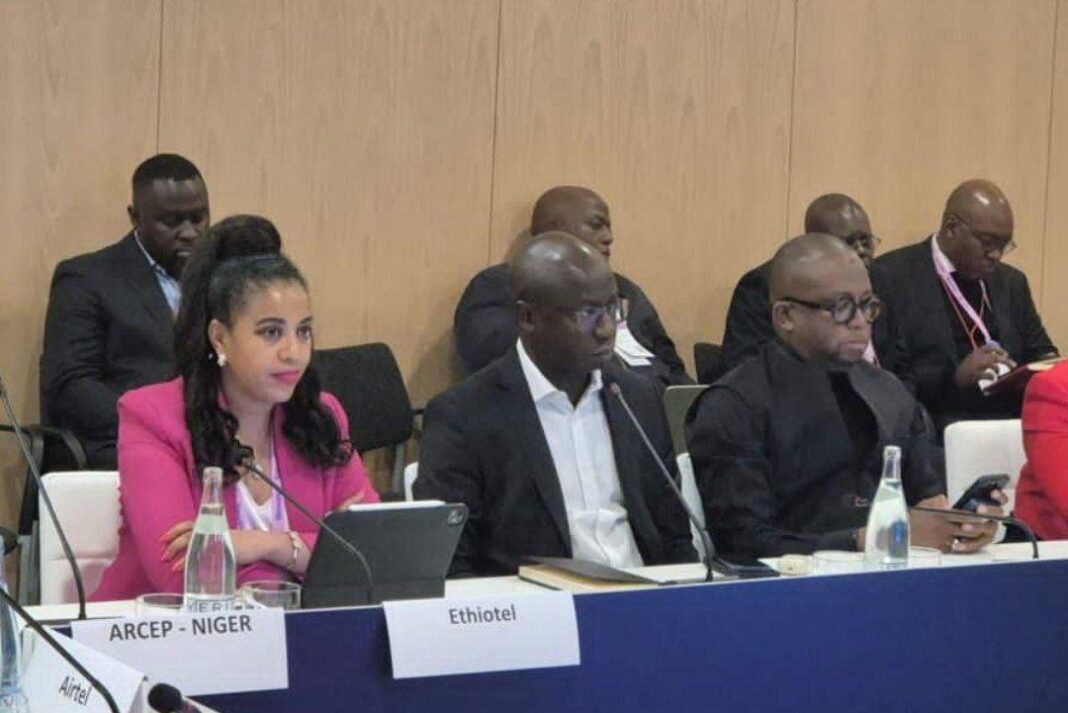
The head of Ethio telecom has delivered a stark prognosis for Africa’s technological future, asserting that continent-wide progress will stall for decades unless governments abandon what she described as “ad-hoc” policymaking in favor of a holistic development model.
Speaking on the fringes of the GSMA Ministerial Roundtable at the Mobile World Congress in Barcelona, Frehiwot Tamru cautioned that the current trajectory of addressing connectivity barriers in isolation is condemning the continent to a prolonged state of digital exclusion.
While acknowledging the GSMA’s efforts to benchmark progress through its new Digital Africa Index, Frehiwot pointed to a significant intelligence gap. She noted that the reluctance of numerous African nations to submit comprehensive data has resulted in an incomplete picture of the landscape, hindering the ability of both investors and policymakers to make informed decisions.
Frehiwot argued that the traditional method of tackling hurdles—first coverage, then affordability, followed by relevance—is no longer viable. “We cannot afford to treat the digital divide as a linear problem to be solved step by step over decades,” she said. “If we continue to tackle infrastructure separately from device economics, or content separately from regulation, we will still be discussing this same gap in 2056.”
She proposed a synchronized model where network densification, handset subsidization, local innovation ecosystems, and adaptive legislation are pursued as a single, integrated agenda.
In a direct appeal to the regulators present, Frehiwot pushed for a fundamental rebranding of the telecom sector’s role in national development. She argued that viewing operators merely as commercial entities selling minutes and data packages is an outdated notion that stifles potential.
“We are the architects of the digital backbone upon which future economies will be built,” Frehiwot stated. She urged a shift toward co-creative regulation, where frameworks are designed in partnership with operators to unlock infrastructure investment and foster socio-economic growth.
The discussions highlighted a frustrating contradiction within the African market: while 4G signals blanket roughly 84% of the population, a significant portion remains offline due to the prohibitive cost of entry-level devices. Ethiopia’s participation in a GSMA pilot scheme aiming to introduce ultra-low-cost 4G smartphones—priced under $40—was cited as a critical test case for bridging this “usage gap.”
The economic imperative for swift action is immense. According to industry data presented at the roundtable, converting the millions of under-connected Africans into active users could inject an estimated $700 billion into the continent’s collective GDP by the end of the decade.
Ethio telecom’s presence at the forum underscores its ambition under its “Next Horizon” plan to act as a catalyst for this economic shift, positioning itself not just as a service provider but as a foundational pillar of the region’s digital future.