Banks Accused of Squeezing Industry Amid Financing Shortages
Manufacturers are raising concerns over tightening access to credit and rising borrowing costs, accusing private banks of failing to adequately support Ethiopia’s productive sectors.
At a recent consultative forum organized by the Addis Ababa Chamber of Commerce and Sectoral Associations, industry representatives expressed frustration with what they described as a “suffocating” financial environment that is constraining production and investment.
Participants said many private banks are turning away manufacturing clients early in the fiscal year, often citing lending limits imposed by the National Bank of Ethiopia.
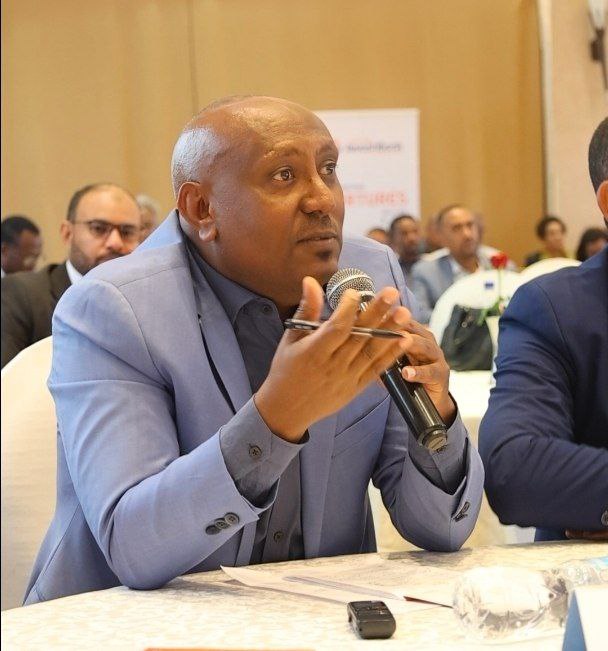
“A manufacturer cannot simply stop production and wait until the next budget cycle,” said Ayicheluhim Kebede, a representative of the Chamber, noting that some companies report being denied loans as early as September, just months after the fiscal year begins in July.
The central bank recently raised the annual credit growth ceiling for banks from 14 percent to 18 percent, with some institutions permitted to expand lending by as much as 24 percent. However, stakeholders say the demand for capital in the manufacturing sector continues to far exceed available financing.
Manufacturers argue that limited access to credit is preventing them from purchasing raw materials and maintaining production levels, potentially slowing industrial growth.
Interest rate volatility was also raised as a major concern. Several participants said loans initially issued at rates of 14 or 15 percent are often revised upward within months, sometimes reaching 23 to 24.5 percent.
For industries with longer production cycles—such as textiles and leather—such fluctuations can significantly disrupt business planning and cash flow.
“A manufacturer should be focused on production and innovation,” Ayicheluhim said. “Instead, many are preoccupied with managing rising financing costs.”
Participants also pointed to what they see as a disconnect between the banking sector’s financial performance and the struggles of the real economy. While banks continue to report strong profits and expand their physical presence in Addis Ababa, manufacturers say access to finance remains a persistent challenge.
Strict collateral requirements further complicate borrowing. According to industry representatives, securing a 20 million birr loan may require property collateral valued at 50 to 60 million birr—a threshold that many small and medium-sized manufacturers cannot meet.
The concerns were raised during a public–private consultative forum titled “Efficient and Reliable Supply of Finance and Workspace for Rapid Investment and Development,” held on March 12, 2026.
Speaking at the event, Zehara Mohammed, president of the Addis Ababa Chamber of Commerce and Sectoral Associations, said the Chamber organizes such forums to address key constraints facing businesses, particularly access to finance and land.
Hassan Hussein, CEO of the Entrepreneurship Development Institute of Ethiopia, also highlighted land and finance shortages as major barriers to business expansion and entrepreneurship.
Experts at the forum noted that banks’ lending capacity is influenced not only by deposits but also by the availability and quality of borrower information. Fragmented and incomplete financial data, they said, can complicate credit assessment and slow lending decisions.
To address these challenges, some participants suggested establishing an integrated financial data management system to improve transparency and streamline credit evaluation processes.
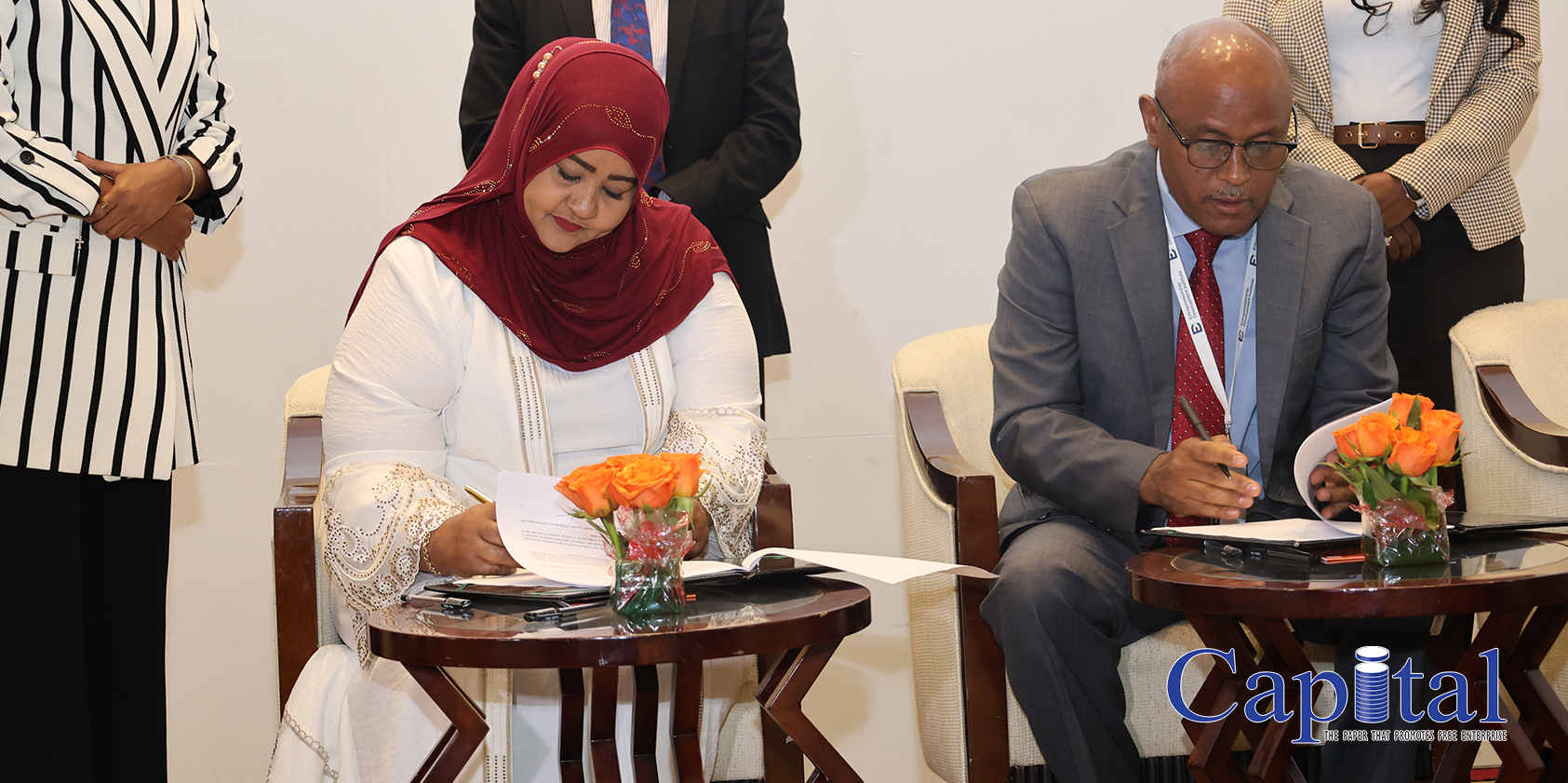
On the sidelines of the event, the Chamber signed a memorandum of understanding with the Entrepreneurship Development Institute of Ethiopia, the Addis Ababa Trade Goods Enterprise, and Awash Bank.
The agreement aims to improve access to finance for small and medium-sized enterprises, promote job creation and skills development, and strengthen the role of the private sector in stabilizing product supply and prices.