Tracing the Journey Behind the Creation of the Monument
Families of victims, Ethiopian officials, and aviation representatives gathered on March 10, 2026, at the ET-302 Memorial Park near the crash site to mark the seventh anniversary of the tragic crash of Ethiopian Airlines Flight 302. The ceremony honored the 157 lives lost in one of the deadliest aviation disasters of the past decade.
The remembrance included the laying of flowers and wreaths, moments of silence, and prayers at the memorial site in Gimbichu Woreda of the Oromia Region, where the aircraft crashed in 2019. For many relatives who travel from around the world, returning each year has become both a tribute to their loved ones and a reminder of the ongoing call for accountability and stronger aviation safety standards that followed the tragedy.
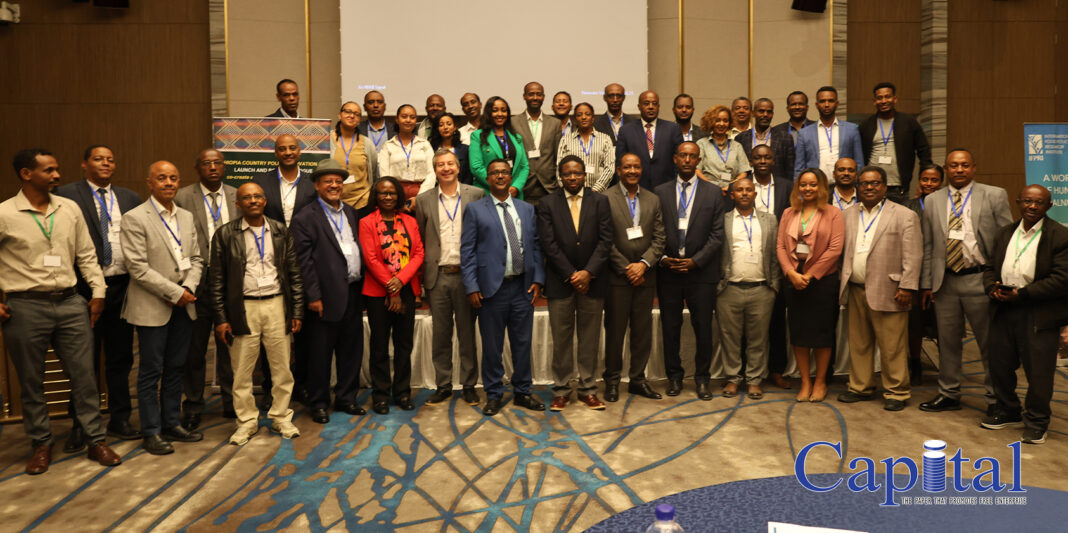
A day after the anniversary, on March 11, a special commemorative event was organized by Prologue Communications as part of its Culture Talk program. Held at the memorial site, the event featured a guided tour tracing the story behind the creation of the ET-302 Memorial Park. Ambassadors, dignitaries, architects, representatives of the victims’ families, and professionals involved in the project attended the gathering.
The number seven holds particular significance in the Orthodox Christian faith, adding symbolic meaning to the commemoration. Moments of silent reflection were accompanied by hymns performed by Ermias Haylay using the Begena, a traditional instrument closely associated with Ethiopia’s Orthodox religious heritage.
The remembrance was followed by a panel discussion and question-and-answer session with individuals closely connected to both the tragedy and the development of the memorial. Participants included Dumisani Sibandze, Director for Africa at Blake Emergency Services and one of the first responders at the crash site; Samira Yaser Eissa, representing families who lost loved ones; Yasser Bagersh, founder and CEO of Prologue Events; Alberto Elmi, Director at Elmi Olindo Contractors; and architect Alebel Desta, founder of Alebel Desta Consulting Architects and Engineers and ZigZag Space. The discussion was moderated by architect Maheder Gebremedhin, founder of Yema Architects and The Urban Centre.
The forum offered visitors deeper insight into the complex and emotional process of creating the memorial park—an enduring space for remembrance, reflection, and healing.
During the discussion, Samira recalled the devastating events of March 10, 2019, when Ethiopian Airlines Flight 302, a Boeing 737 MAX 8, crashed just six minutes after departing from Addis Ababa Bole International Airport en route to Nairobi. All 157 people on board—149 passengers and eight crew members—lost their lives when the aircraft went down near Bishoftu, about 45 kilometers southeast of Addis Ababa.
Samira, who lost both her father and sister in the crash, spoke about the difficult years that followed. She became one of the prominent advocates for victims’ families through the ET-302 Families Foundation memorial committee. According to her, the initial uncertainty surrounding the cause of the crash deeply affected many families. Over time, however, the collective effort to seek accountability and preserve the memory of those who died became an important part of her personal healing journey.
Subsequent investigations found that the crash was primarily caused by a malfunction in the aircraft’s Maneuvering Characteristics Augmentation System (MCAS), which repeatedly pushed the plane’s nose downward. The disaster led to the worldwide grounding of the Boeing 737 MAX fleet while safety improvements were implemented. The accident remains the deadliest in the history of Ethiopian Airlines.

Reflecting on the immediate aftermath of the tragedy, Dumisani described arriving at the crash site within hours of the disaster. He coordinated with local and international teams to assist in recovery operations, including the painstaking process of collecting and identifying remains before arranging their return to families across 35 countries and four continents.
Yasser explained that his involvement began in early 2020, just months before the first anniversary of the tragedy. His role, he said, was largely one of service—helping facilitate dialogue between the victims’ families and stakeholders, including the aircraft manufacturer Boeing.
Designing the memorial presented its own challenges, according to architect Alebel Desta. His firm’s proposal was selected through an international architectural design competition. The project had to represent victims from diverse cultures, religions, and nationalities while creating a unified and dignified space of remembrance.
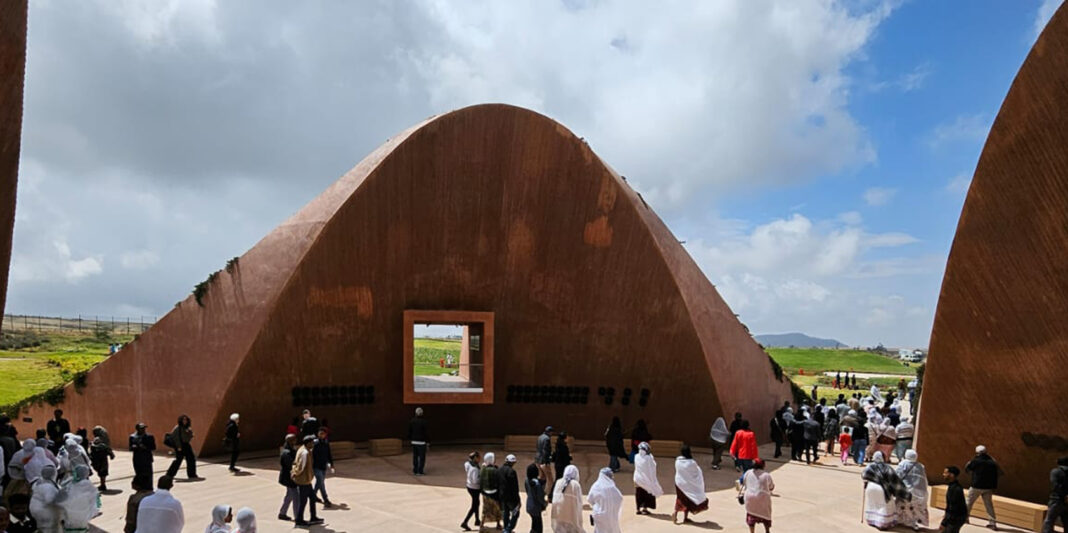
Located at the crash site, the memorial park was developed through extensive consultations with the victims’ families and financed by Boeing. Alebel explained that the design symbolically follows the aircraft’s final trajectory, guiding visitors through the landscape toward the crash site.
The memorial features four inclined monument structures representing the continents from which the victims came. Constructed by Elmi Olindo Contractors using materials intended to harmonize with the surrounding landscape and endure over time, the park includes landscaped pathways leading visitors through spaces designed for reflection and mourning. Bronze plaques engraved with the names of all 157 victims line the monument walls, ensuring their memory is permanently honored.
The project has also received international architectural recognition. The ET-302 Memorial was named Popular Choice Winner in the Religious Buildings and Memorials category at the Architizer A+Awards and was selected as a winner at the ArchDaily Building of the Year Awards 2026 in the Best Applied Product category, chosen from more than 3,000 projects worldwide and voted on by readers from over 100 countries.
During the discussion, moderator Maheder asked participants how they hope the memorial contributes to remembrance and healing.
Yasser said the experience reinforced the importance of empathy and service, emphasizing the goal of creating a space where families feel represented and respected.
Alebel added that the memorial was designed to transcend cultural and religious differences, bringing together victims from four continents and more than thirty countries in a shared place of remembrance.
Representing the construction team, Alberto Elmi said building the memorial carried a profound responsibility. “We understood that we were not simply constructing a physical structure,” he said, “but helping create a lasting tribute to the victims.”
Speaking on behalf of the families, Samira said the memorial provides a place where loved ones are remembered together. While the pain of loss remains, she noted, the park offers a sense of connection and recognition, ensuring that the memory of the 157 victims will continue to endure.
Families involved in the initiative also expressed hope that the memorial will remain open and accessible, eventually becoming a self-sustaining site where visitors from around the world can come freely to reflect and remember.