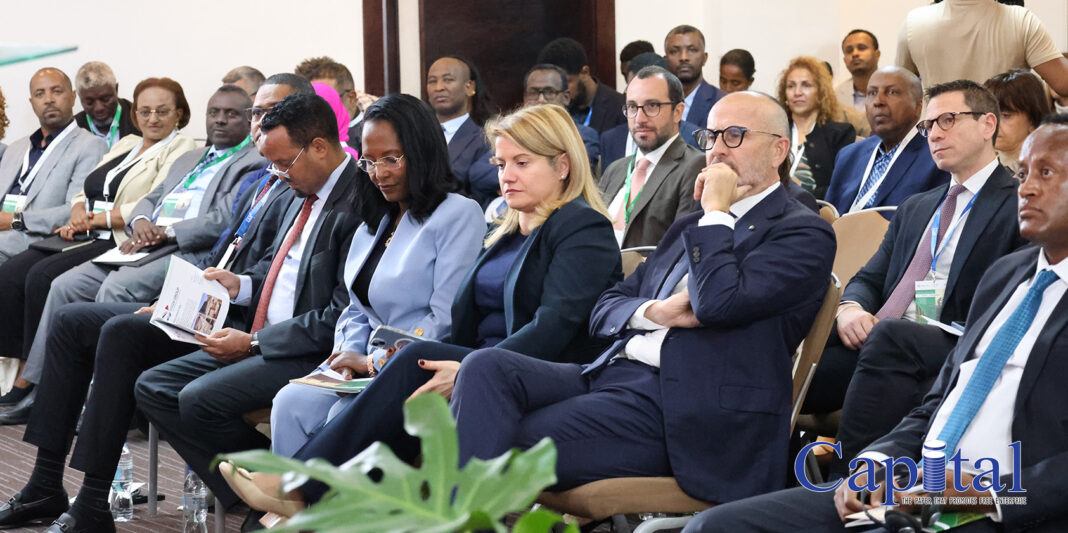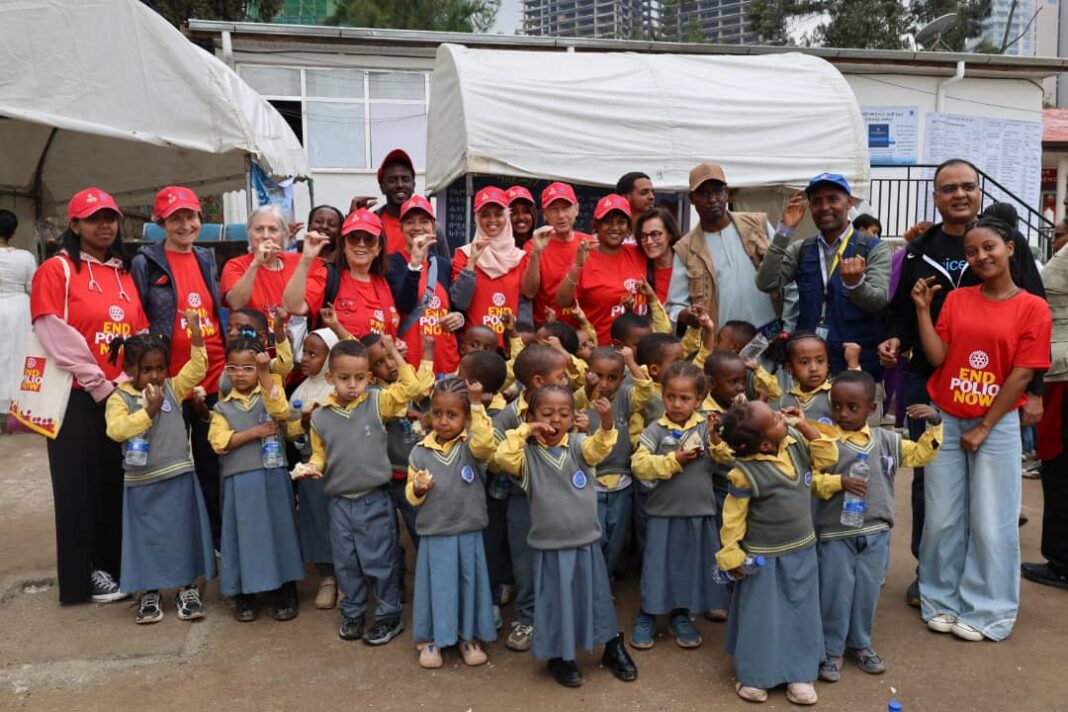
Ethiopia has launched a major nationwide polio vaccination campaign, aiming to protect more than 17 million children under five. Running from March 27 to 30, the campaign spans 118 zones and cities across 11 regions, including high-risk areas, to prevent outbreaks and move the country closer to eradicating polio.
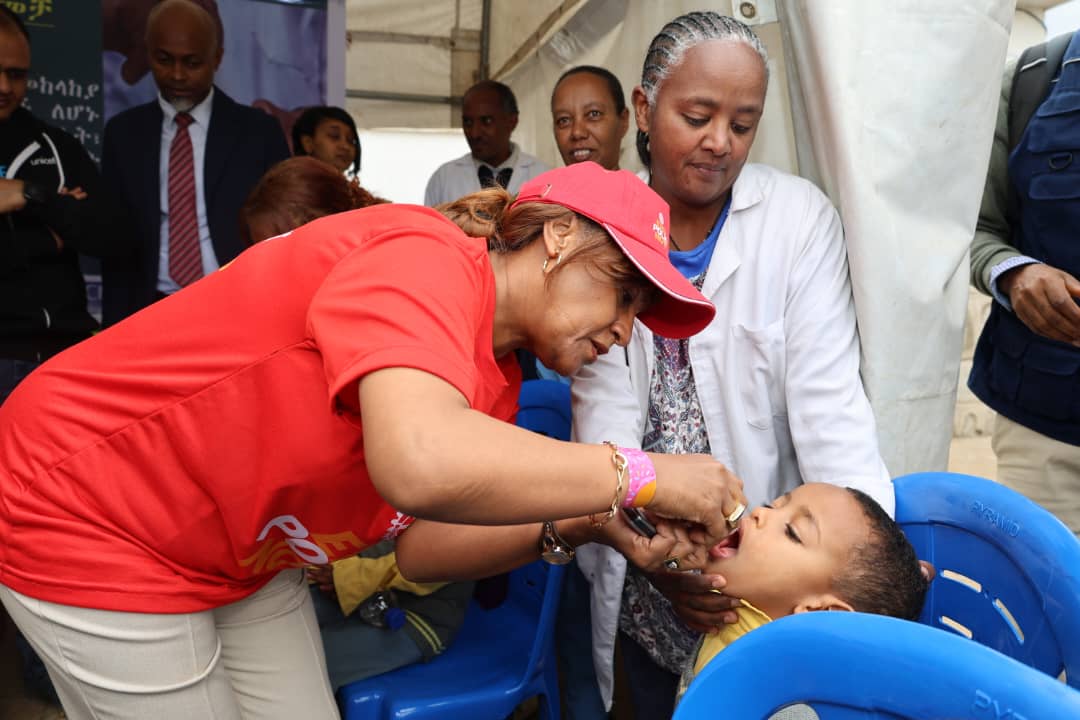
More than 125,000 personnel—including vaccinators and social mobilizers at national and woreda levels—are engaged in this intensive door-to-door effort.
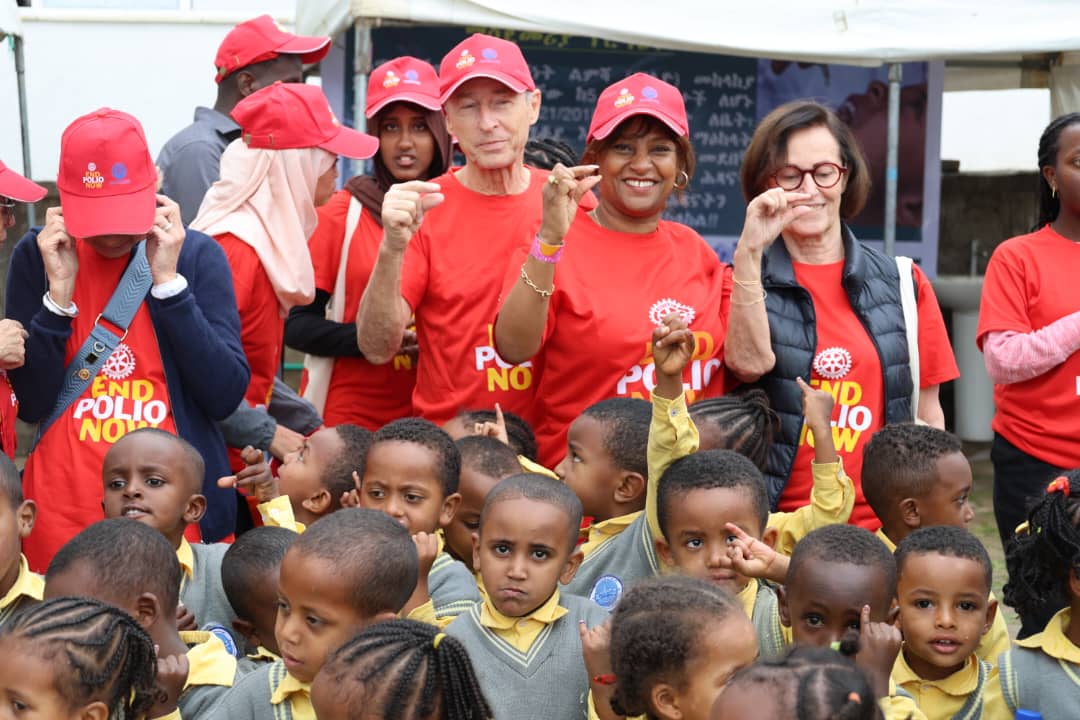
Rotary International has been a key partner in Ethiopia’s fight against polio, contributing over USD 100 million globally to support eradication efforts. Through advocacy, resource mobilization, and active field engagement, Rotary plays a central role in the Global Polio Eradication Initiative (GPEI), alongside WHO, UNICEF, Gavi, the Gates Foundation, and the CDC.
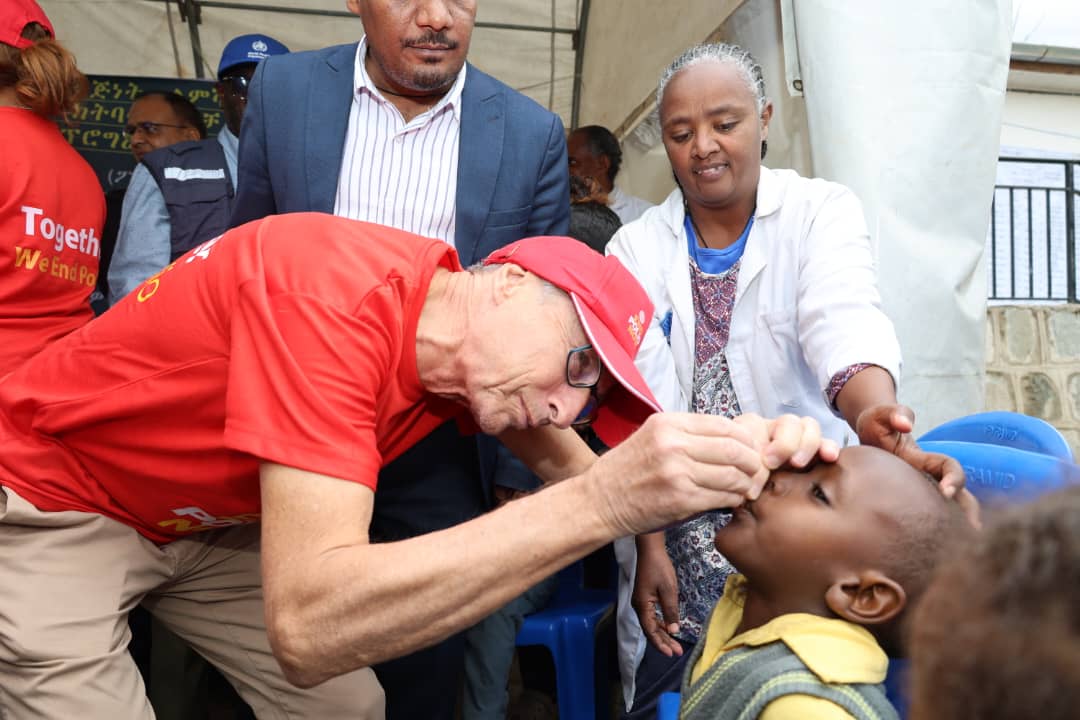
At the Addis Ababa City Administration level, a focused vaccination effort began on March 27, 2026, targeting more than 830,000 children under five. Dr. Yohannes Chala, Head of the City Administration Health Bureau, noted that 4,850 health professionals have been organized into 967 teams to deliver vaccines efficiently. The campaign aims to reach every child under five, including those who may have missed or discontinued previous immunizations.
Although Ethiopia has been free of poliovirus since 2017, the country remains vigilant against potential importation from neighboring nations. This campaign forms part of a broader global push to achieve a polio-free world by 2027. Thanks to the combined efforts of GPEI partners, the virus has been reduced to just 0.1 percent in affected regions.
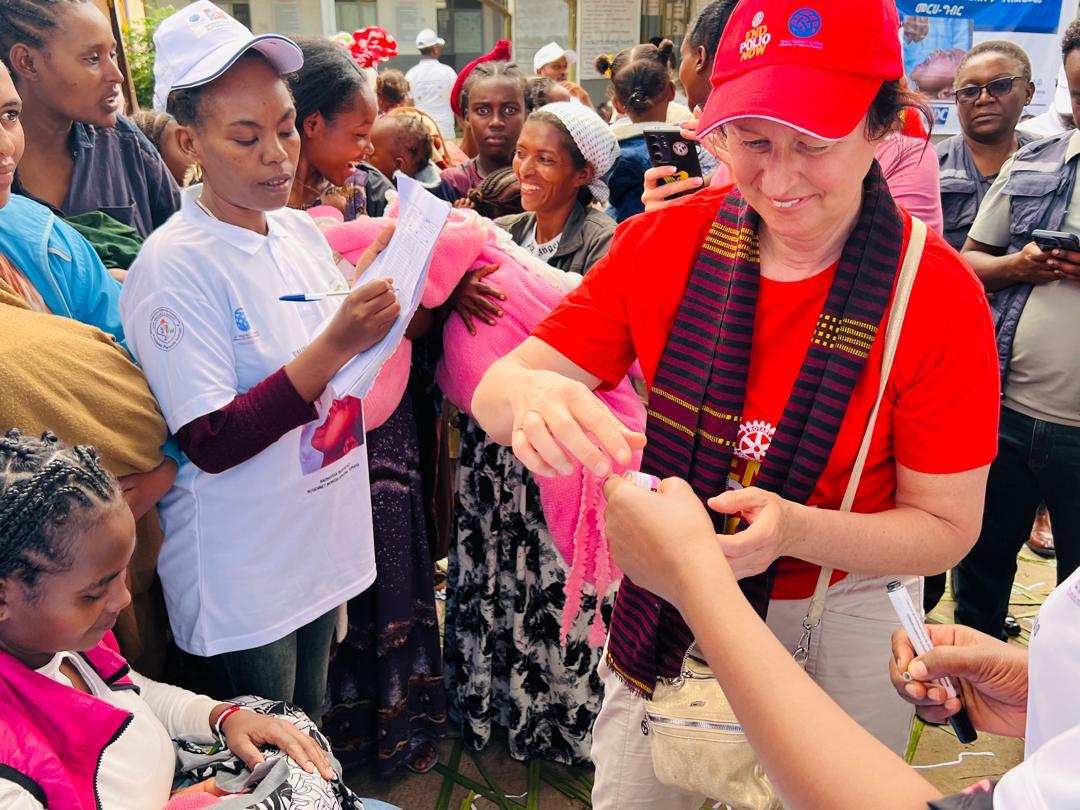
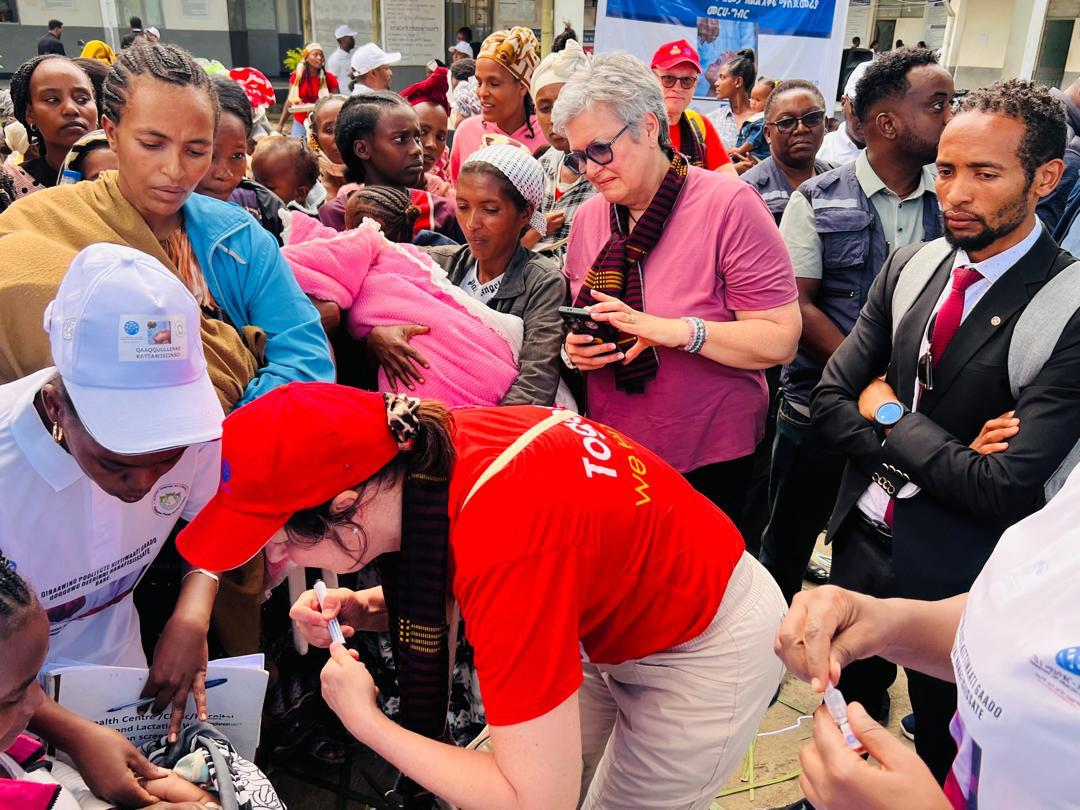
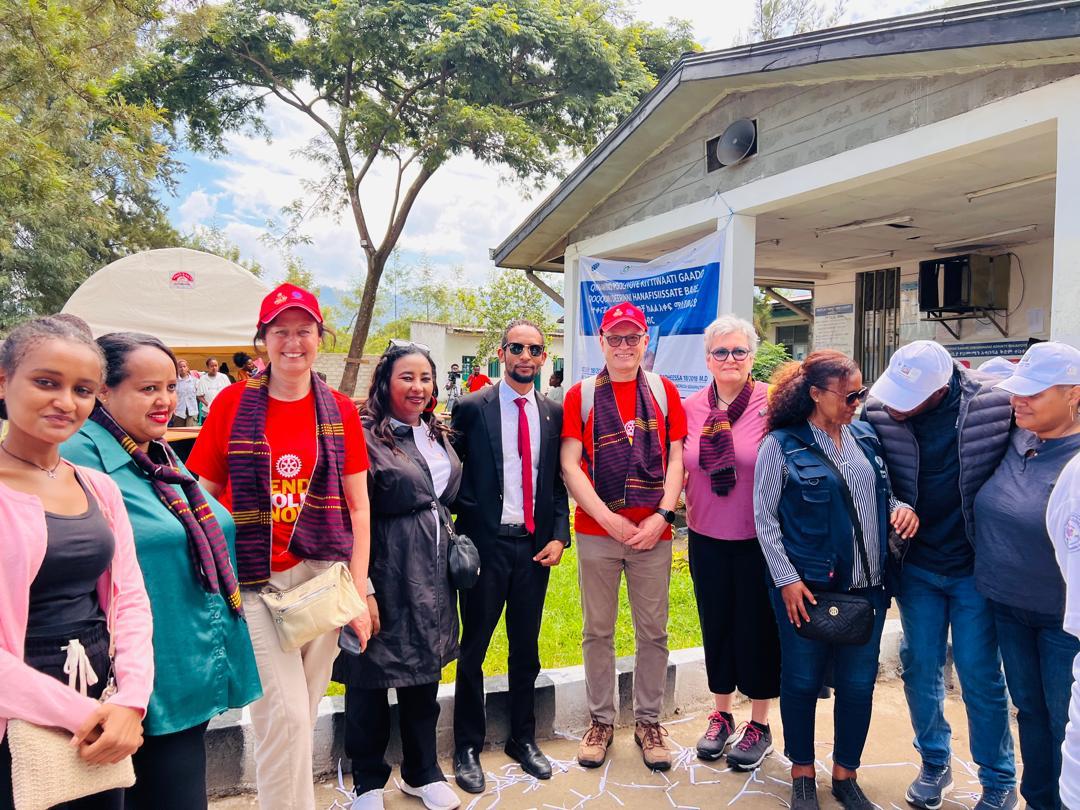
This week, a delegation of nine Polio+ Rotarians from France and Belgium joined local Rotarians and health workers to support the campaign in Addis Ababa, Sheger City, Adama, and Hawassa. Organized by PDG Alain Bouvard of the Rotary Club of Bourg-en-Bresse Brou (District 1710) and led by Rotarian Jean Piron, the delegation is working alongside local teams to administer vaccines, raise community awareness, and mobilize international support.
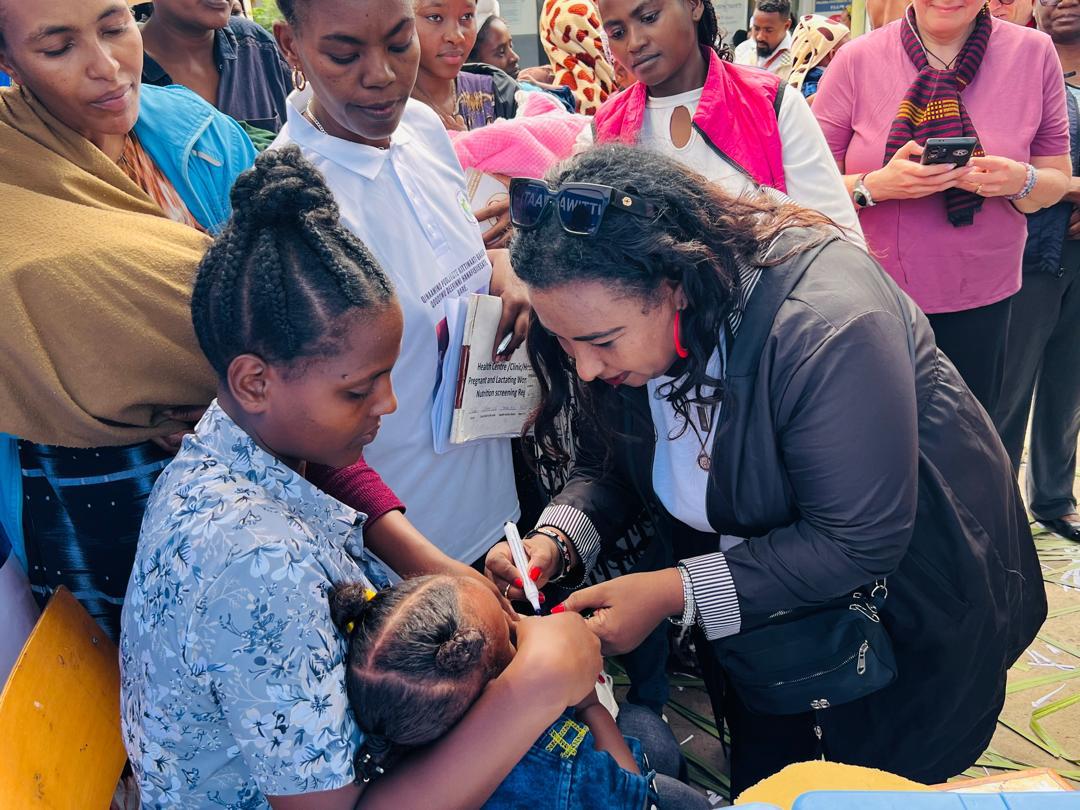
“This visit strengthens international collaboration and highlights Rotary’s ongoing commitment to eradicating polio,” said Rotarian Piron. Similar delegations from the district have previously visited Pakistan and Côte d’Ivoire; this year, their itinerary includes Cameroon and Ethiopia.
According to WHO, repeated high-quality vaccination campaigns have led to a dramatic reduction in poliovirus detections. In recent months, Ethiopia has recorded a sharp decline—from 79 cases in the previous 12 months to just eight in the past year, with the most recent case reported in October 2025. This progress reflects strong national commitment and deserves recognition.

However, poliovirus transmission persists in neighboring countries, including Djibouti, South Sudan, Sudan, Kenya, and Somalia. Given Ethiopia’s porous borders, continued vigilance remains essential—through sustained immunization efforts, strengthened cross-border collaboration, and a highly sensitive surveillance system to detect and respond to any new cases.
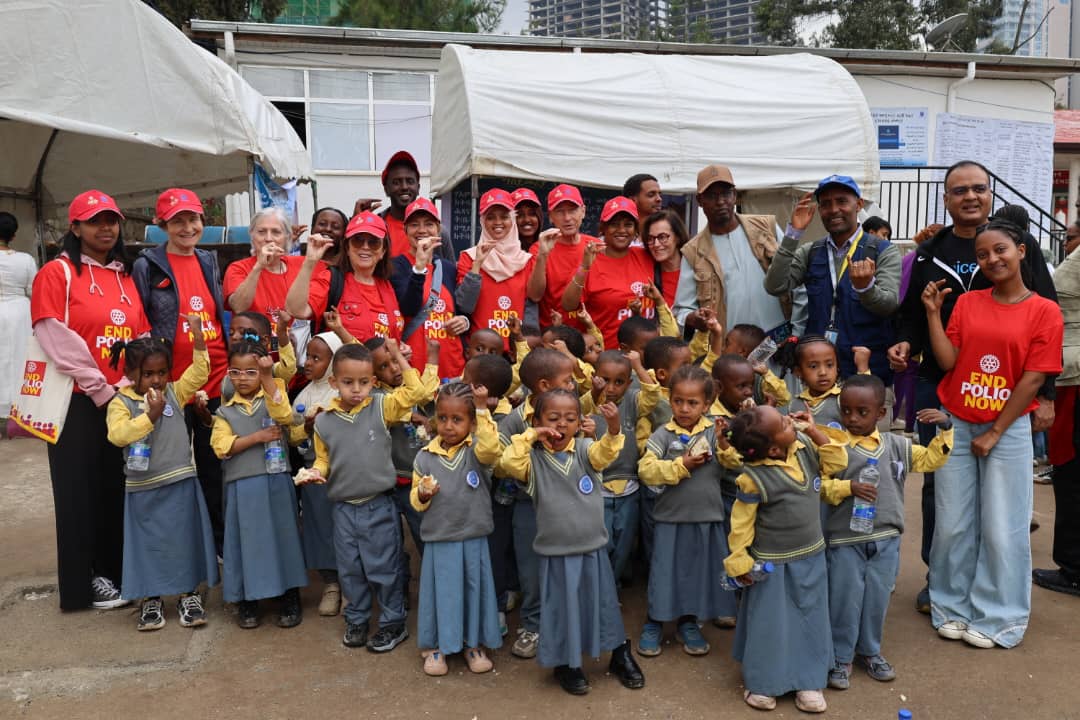
With strong government leadership, active community participation, and support from global partners like Rotary, Ethiopia is on track to make polio a disease of the past, safeguarding millions of children across the nation.