The International Monetary Fund (IMF) has issued a warning that Eastern African economies remain at significant risk due to their ties to the Gulf, even as three vessels carrying 143,000 metric tons of jet fuel and gasoil have recently docked in Djibouti.
In its analysis released earlier this week, the IMF highlighted that nations in the Horn of Africa—Ethiopia included—are grappling with diminished demand for service exports, logistical challenges, and declining remittances, all stemming from their reliance on trade with Gulf countries.
The IMF also pointed out that ongoing conflicts could impact the global economy in multiple ways, leading to increased prices and slower growth.
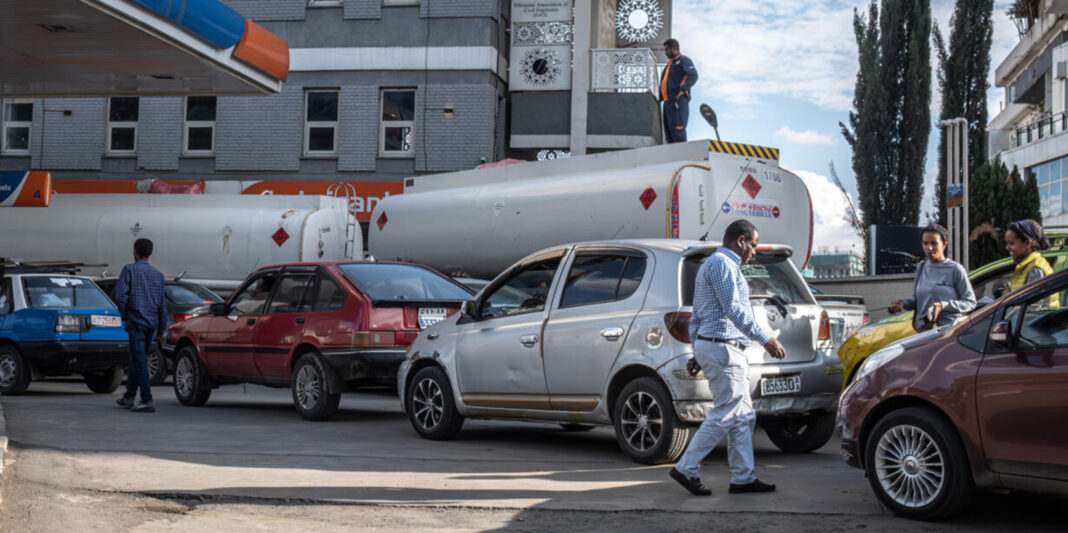
Ethiopia is currently facing noticeable oil shortages, with reports indicating a significant decrease in truck movements due to the fuel crisis. Sources informed Capital that the lack of diesel fuel, essential for transporting perishable goods, poses a more severe threat to the economy than the shortage of gasoline. This situation is resulting in the spoilage of fruits and vegetables and financial losses for suppliers and farmers.
“The nationwide cargo transportation system is on the brink of collapse,” remarked one observer. Trucks are stranded across the country waiting for refueling, hindering the movement of agricultural products from rural areas and manufactured goods from urban centers. “This is inflicting financial damage on the economy,” said an exporter with three decades of experience in import and export services.
The upcoming weeks coincide with a major holiday season, typically characterized by heavy cargo transport and significant passenger movement for Easter festivities. Experts warn that the current fuel crisis will lead to shortages of goods and subsequent price increases.
Transporting essential commodities, such as agricultural inputs for farmers, will also prove challenging, despite the government’s potential procurement efforts via the electric railway system at high costs. This presents a complex challenge for Ethiopia, arising from events occurring thousands of kilometers away.
The export sector is similarly impacted, as agricultural products must be moved from rural areas to processing plants and then to cargo hubs at railway stations.
In its latest analysis published on March 30, the IMF noted that disruptions to fertilizer shipments—one-third of which pass through the Strait of Hormuz—are raising concerns about rising food prices.
“We understand that the railway operator, Ethio Djibouti Railway, can manage containerized cargo at processing sites and transport it to the railway station. But how can it handle truck transport when the fuel shortage is crippling that activity?” an exporter questioned.
He further noted that freight costs are expected to rise due to increased vessel costs from higher fuel prices and war risk insurance premiums, which will ultimately affect foreign currency earnings.
Experts indicate that similar constraints apply to inbound cargo operations.
Meanwhile, transport services provided by some civil servants and public enterprises have ceased operations. The government has issued frequent directives and potential solutions aimed at promoting fuel efficiency.
Experts warn that if conditions do not improve in the Strait of Hormuz, the consequences for the region will only worsen.
The IMF has reported that energy-importing economies in Africa, the Middle East, and Latin America are struggling with increased import bills, compounded by already limited fiscal space and external buffers.
Additionally, regions in the Middle East, Africa, Asia-Pacific, and Latin America are facing further challenges due to rising food and fertilizer prices, along with tighter financial conditions.
Traders have commended the government’s initiatives to diversify fuel imports, expressing optimism that it will source fuel from non-traditional suppliers. Historically, Ethiopia’s primary oil supply route has been through Hormuz.
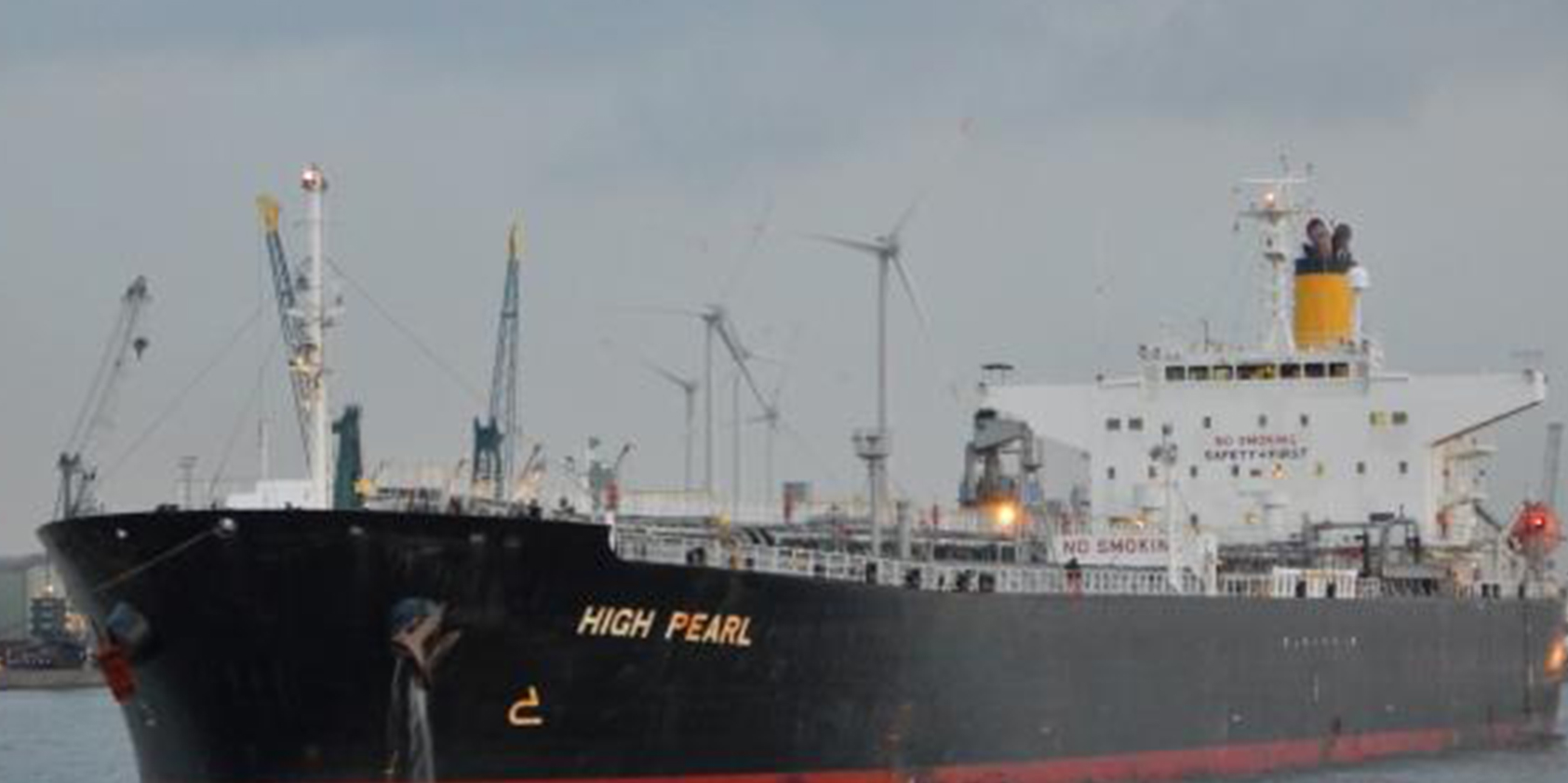
Between March 28 and April 1, three vessels arrived in Djibouti from various ports in the region and India, delivering a total of 73,000 metric tons of gasoil and 70,000 metric tons of jet fuel.
Sources in Djibouti informed Capital that the ship AL BETROLEYA docked on March 28, carrying 31,544 metric tons of diesel and 17,991 metric tons of jet fuel from Sikka Port in Gujarat, India.
On March 30, a tanker named Brave arrived in Djibouti with 52,000 metric tons of jet fuel from the Port of Duqm in Oman.
On March 31, the vessel Andiamo reached Djibouti from Jeddah, Saudi Arabia, delivering 41,734 metric tons of gasoil.
Experts believe that Ethiopian Airlines, a major source of hard currency for the country, should be able to maintain its international flights without disruption. “The recent influx of jet fuel from diverse sources is encouraging for the airline’s operational continuity,” they noted.
Sources indicate that the government is actively working to secure oil supplies, particularly diesel and jet fuel, from various channels.
The IMF warns that low-income countries are especially vulnerable to food insecurity and may require increased external support, despite a decline in available assistance.
The IMF forecasts that a brief conflict could result in a spike in oil and gas prices before markets stabilize, while a prolonged conflict could keep energy prices high, straining import-dependent countries. “Alternatively, the situation may settle in a middle ground—ongoing tensions, persistent high energy costs, and persistent inflation amid geopolitical uncertainties.”
Furthermore, the IMF highlighted that the conflict is altering supply chains for non-energy and critical inputs, as rerouting tankers and container ships increases freight and insurance costs and extends delivery times.