Djibouti City, Djibouti
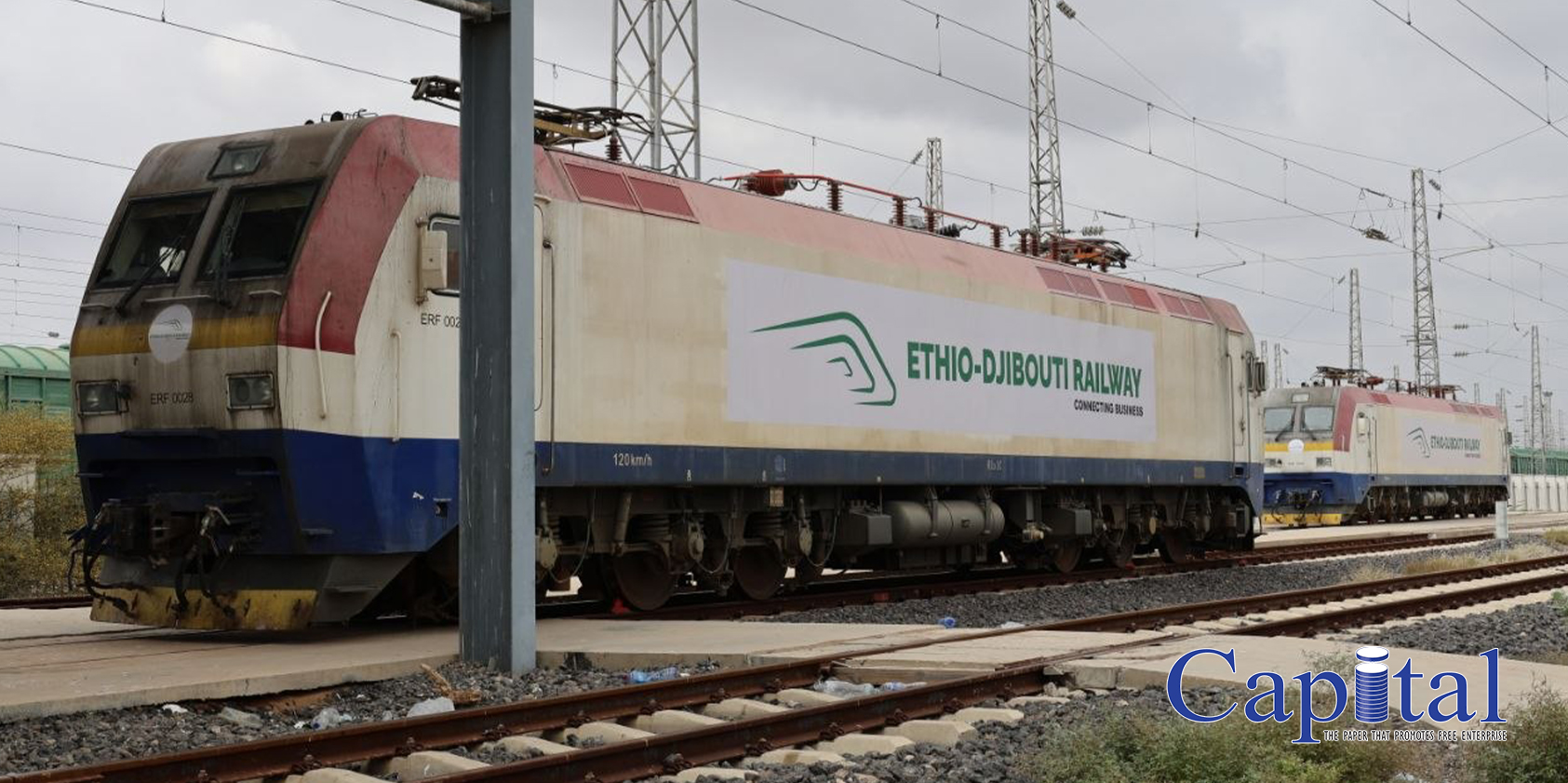
Fuel shortage in Ethiopia is disrupting truck flows and slowing cargo movement from Djibouti’s ports, officials reported. In response, the Ethio-Djibouti Railway (EDR) has announced that it is actively working to meet the rising demand.
The fuel disruption, linked to a sudden outbreak of conflict at the Strait of Hormuz, has hindered trucks from refueling quickly and maintaining regular operations. Long queues have been observed throughout Ethiopia, including in the capital, Addis Ababa.
Port officials at Djibouti’s Doraleh Multipurpose Port (DMP) noted a significant decline in the number of trucks arriving from Ethiopia to collect cargo due to the shortage, causing scheduled cargo transport to be delayed for days.
Despite this slowdown, officials emphasized that there is no congestion at the port, which has ample storage capacity. The facility spans 192 hectares and includes a dedicated yard within the Free Zone.
“Our berths are operating at full capacity, with up to five vessels simultaneously loading or unloading cargo. Therefore, we are experiencing no congestion at the anchorage,” DMP officials told Capital. They added that only seven vessels are currently waiting to dock at one of Djibouti’s deep-sea ports.
DMP features a silo with an 85,000-ton capacity for grain and another 185,000-ton silo for fertilizer, along with a large warehouse for bagged cargo. The port’s bulk terminal has three quays dedicated to handling wheat, fertilizer, and other commodities.
Officials indicated that due to the truck slowdown, strategic commodities such as fertilizer are being transported primarily via the EDR railway. Although the EDR line does not yet connect directly to DMP, trucks cover the initial 800 meters to transport cargo to central Ethiopia.
Brikti Solomon, EDR’s Operations Head in Djibouti, stated that customer demand for cargo handling—particularly for machinery and containerized imports—is steadily increasing. “Incoming machinery cargo at DMP is on the rise, and we are managing the transport,” she said.
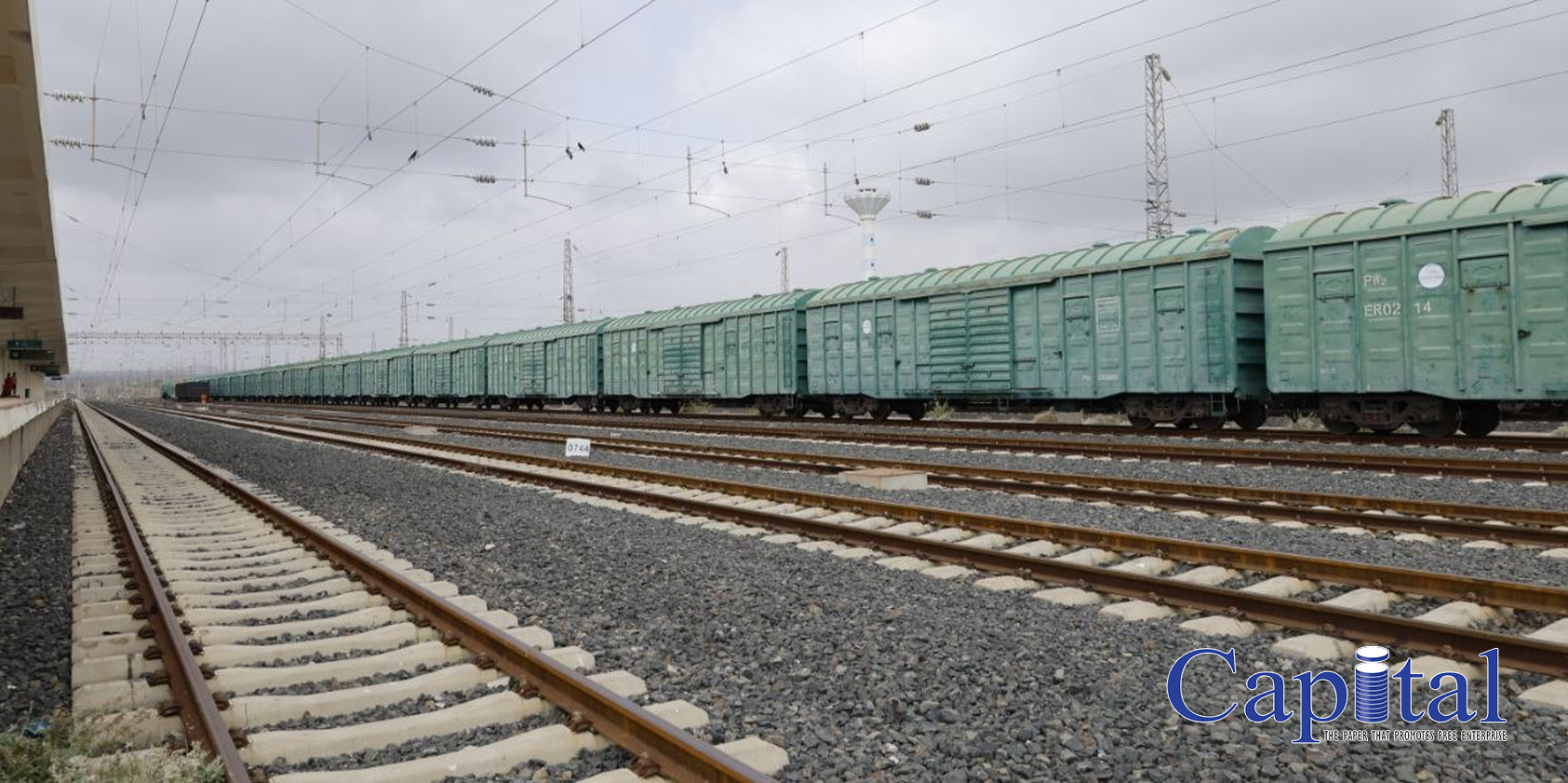
She further explained that the joint railway company, operated by both nations, is coordinating closely with the ports. “Due to the fuel shortage in Ethiopia, we are committed to serving the market by transporting cargo on time at fair rates,” Brikti informed media at Nagad, the main railway station in Djibouti, located 21 kilometers southwest of the capital.
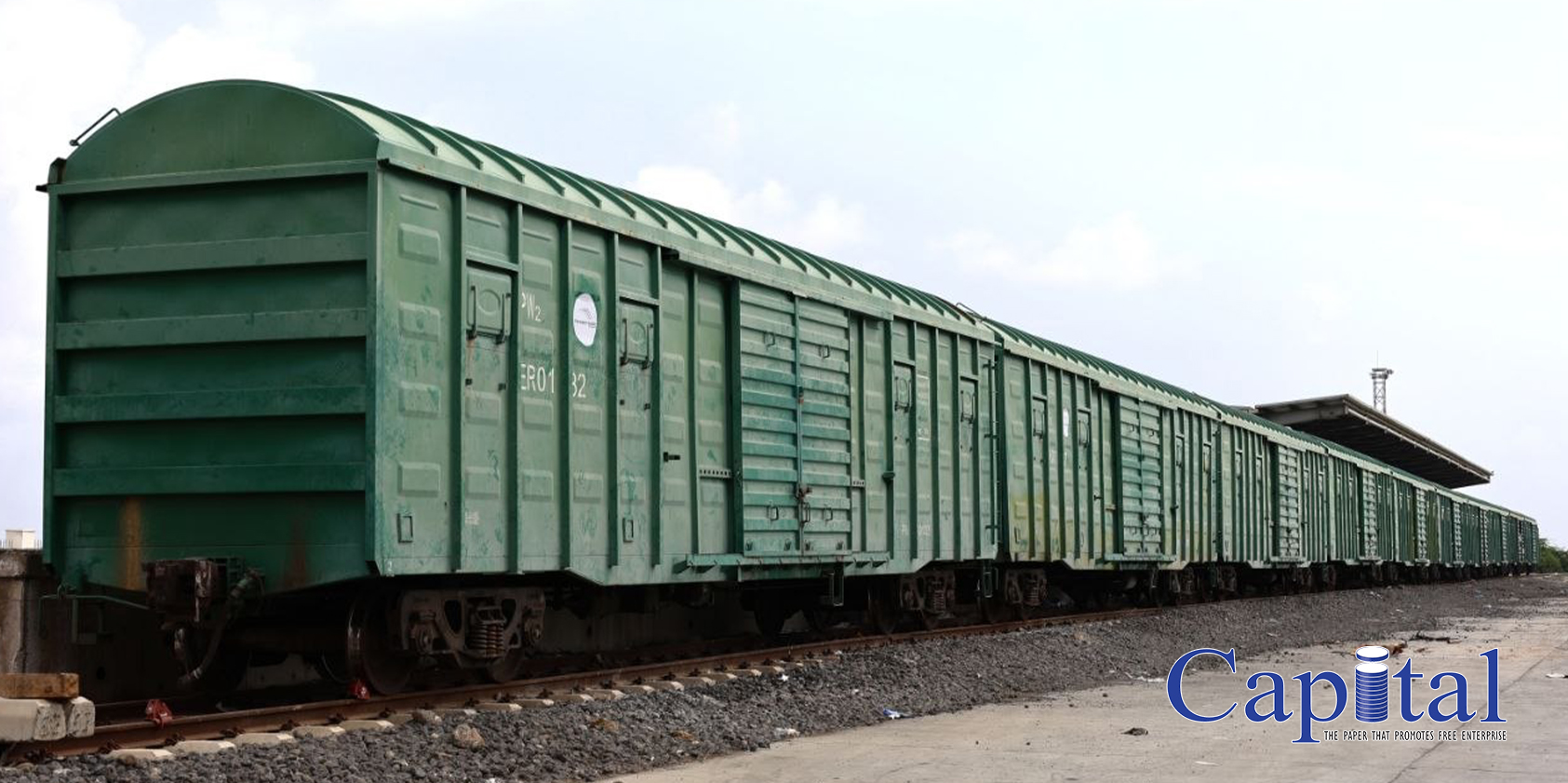
For bulk cargo, the electric railway primarily transports fertilizer, wheat, and barley using box wagons. Currently, EDR dispatches up to five trains daily to Endode, Mojo, and Adama stations.
The railway operator has also reduced turnaround time by 28 percent, now taking 52 hours instead of three days to accelerate operations and handling. “This year, operational tonnage will double, and we will also utilize idle wagons to transport consignments like billets and rebar,” Brikti added.
“Regarding locomotive operations, we are now at full capacity. Due to the truck shortage in Ethiopia, we are also providing last-mile service with our trucks,” she said.
On Monday, Aboubakar Omar Hadi, chairman of the Djibouti Ports and Free Zones Authority (DPFZA), stated that as the major agricultural season approaches, cargo shipments to Ethiopia remain a priority.
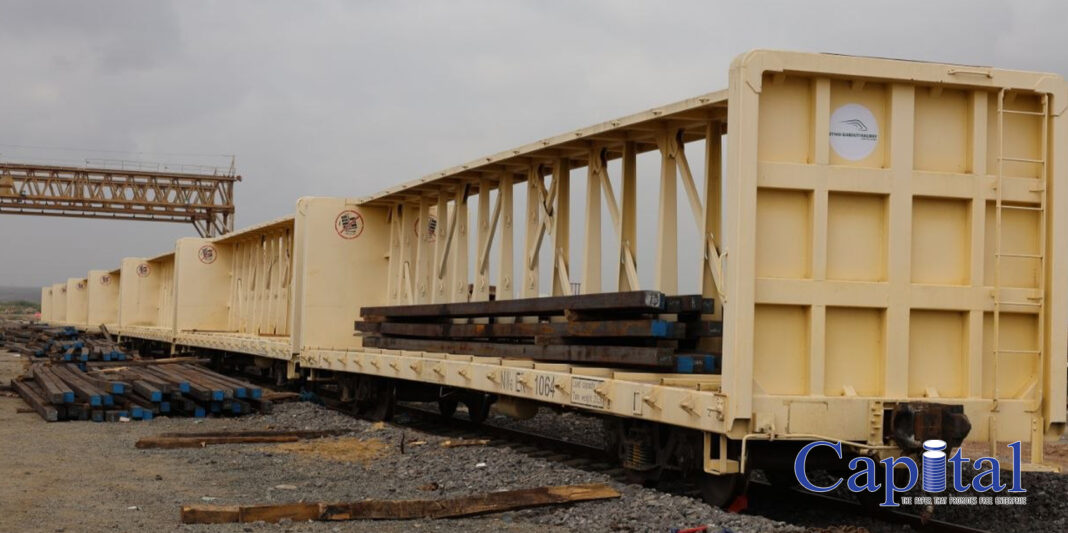
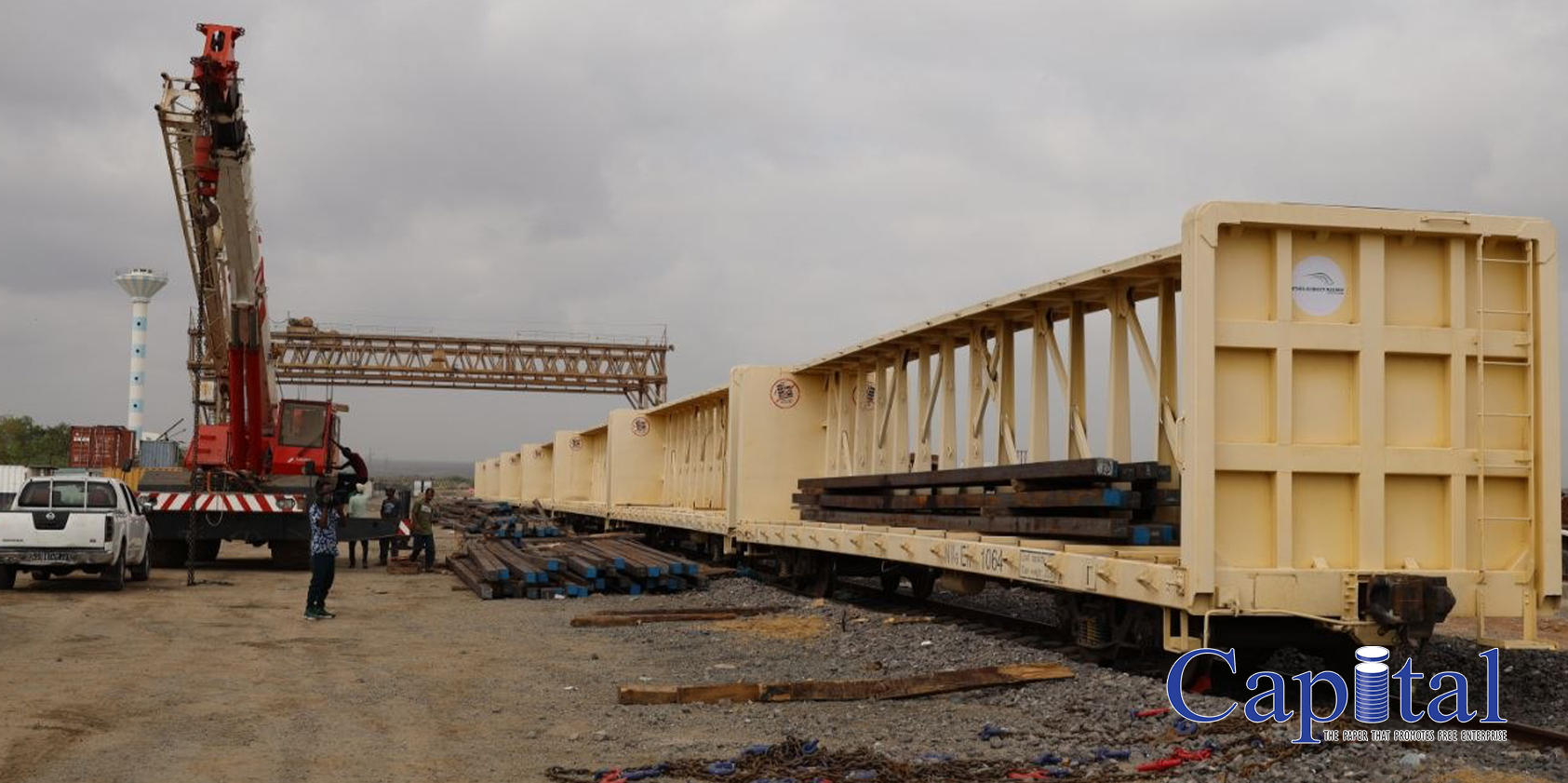
In related developments, the Ethio-Djibouti Railway (EDR), a bilateral venture owned by Ethiopia and Djibouti, has introduced special open-top gondola wagons into its cargo operations to help address capacity gaps exacerbated by Ethiopia’s ongoing fuel shortage.
In a letter addressed to the Customs Commission and dated April 8, EDR Chief Executive Officer (CEO) Takele Uma disclosed that the railway is now utilizing gondola wagons—designated as types CW3 and CW4—to strengthen freight movement.
In the letter, the CEO noted that, unlike conventional rolling stock, these wagons are open at the top and cannot be sealed for transportation.
Due to this design limitation, the letter requests the commission’s authorization to transport certain cargoes using green seals, as well as goods of exclusive public interest, on these specialized wagons. “The commission was requested to transport cargoes with green seals and exclusively public interest goods on these unique wagons,” the correspondence states.
The letter also highlights a significant increase in demand for containerized freight. “Based on this, we have determined that transporting 40-foot containers on top of the gondola cargoes is the best solution,” the CEO wrote.
To streamline logistics, EDR has requested that the Customs Commission grant advance passes for such consignments—particularly government shipments—allowing them to bypass Dewale Station.
Under the proposed arrangement, inspections would take place at the final destination instead. The letter also includes a list of the side numbers for 24 gondola wagons dedicated to the new railway shipment service.