
The African Union Election Observation Mission (AUEOM) has released its preliminary findings on Ethiopia’s seventh general election, praising the significant strides made toward democratic consolidation while expressing deep concerns over the suspension of the electoral process in 46 constituencies.
The areas where the voting process was suspended are primarily located in the Tigray and Amhara regions, where voters were prevented from exercising their democratic rights due to security disruptions.
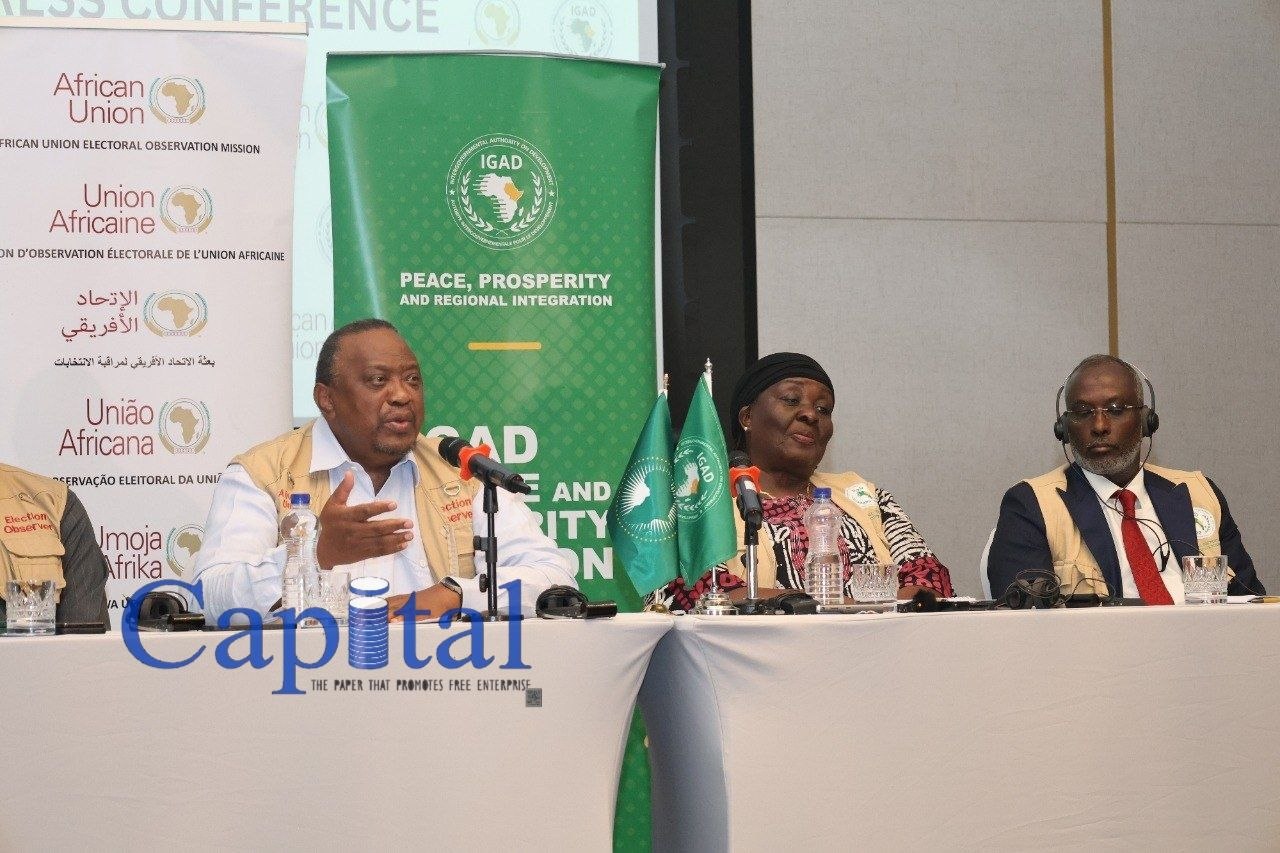
In a statement delivered on June 3, 2026, regarding the team’s preliminary assessment of the 7th general election, Uhuru Kenyatta, leader of the African Union Election Observation Mission and former President of Kenya, expressed concern that the suspension of these constituencies could undermine the overall inclusiveness of the electoral process.
“The mission noted the suspension of polling in 46 constituencies, notably in the Tigray and Amhara regions, which potentially affected the inclusiveness of the electoral process and undermined the full exercise of the right to vote due to the prevailing security situation,” the mission leader stated.
However, the Union commended the National Election Board of Ethiopia (NEBE) for its commitment to proceed with elections in these excluded constituencies once a conducive and reliable security environment is ensured.
Apart from regional security challenges, the African Union Election Observation Mission commended the overall electoral process, noting that the atmosphere across most parts of the country on Election Day was peaceful and orderly.
The mission lauded the high level of professionalism demonstrated by election officials and security personnel, stating that it reflects the Election Board’s commitment to administrative impartiality.
Furthermore, it was noted that the implementation of digital technology alongside the standard voter registration process contributed to an increase in the number of young voters.
Despite these positive indicators, the African Union mission emphasized that democracy is a continuous process of refinement.
Chief among their technical concerns was the administrative burden placed on individual polling stations. The mission labeled the maximum threshold of 1,500 registered voters per polling station as “undoubtedly too high,” pointing out that it hindered workload management and created structural bottlenecks. In some instances, overcrowding at polling stations not only disrupted the workflow but also compromised the secrecy of the ballot.
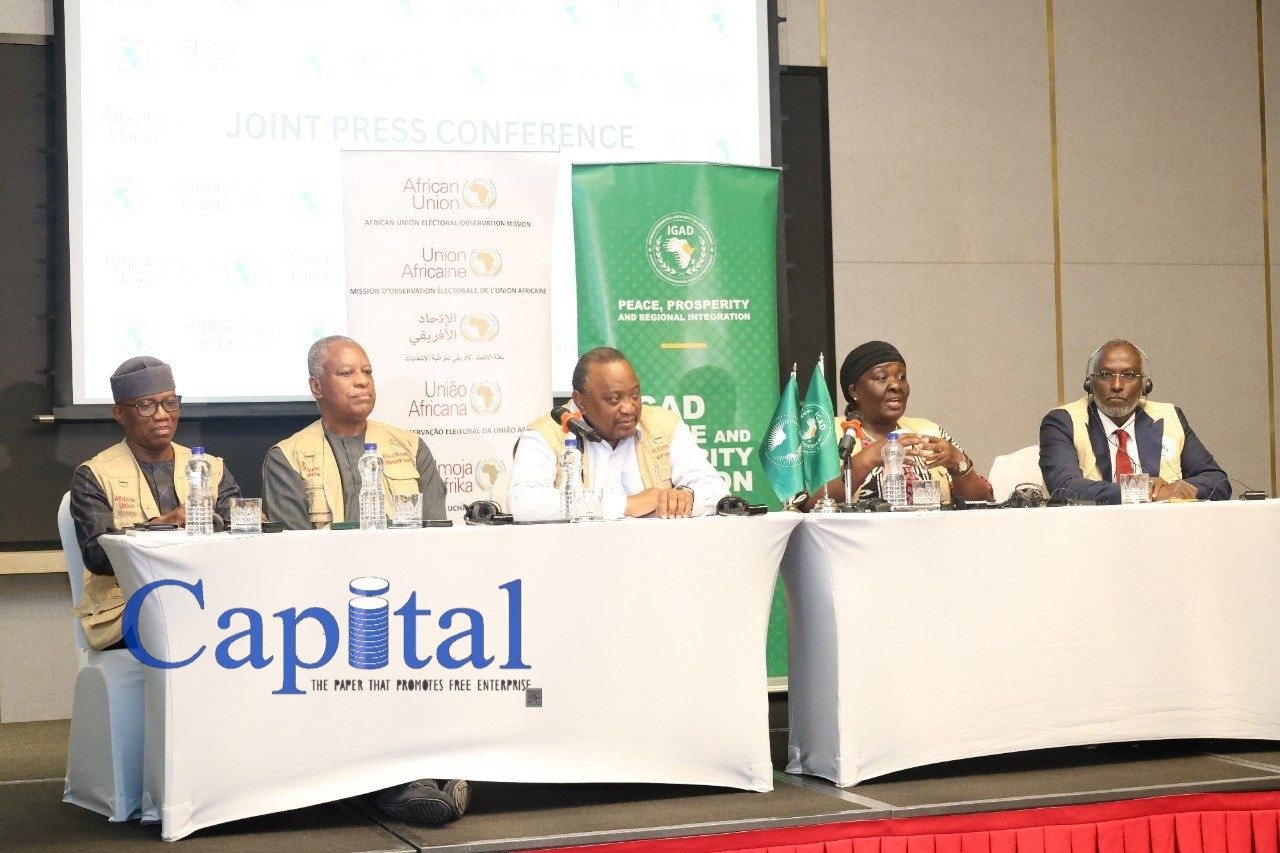
To address these deficiencies, the African Union offered preliminary recommendations, stating that it is necessary to reduce and standardize the maximum number of registered voters per polling station to ensure efficiency.
Uhuru Kenyatta pointed out the need to reconfigure the layout of ballot boxes and voting booths to protect the secrecy of the vote and ease voter movement. He also called for the implementation of targeted strategies to address the low registration numbers observed among women, who constitute a critical demographic.
The comprehensive and final report containing the full details of the mission’s findings is expected to be released to the public 30 days after the official declaration of the final election results.