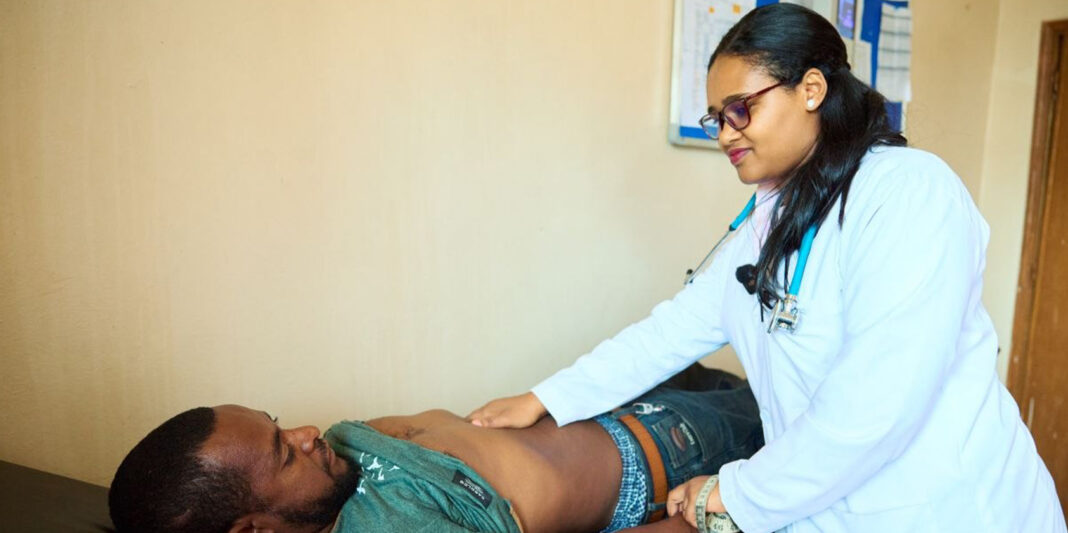
The World Health Organization (WHO) has announced major updates to its treatment guidelines for leishmaniasis, introducing safer, shorter and more effective regimens for visceral leishmaniasis (VL), commonly known as kala-azar, and post-kala-azar dermal leishmaniasis (PKDL).
The new recommendations are expected to improve patient care and support disease elimination efforts across eastern Africa and South Asia.
The updated guidelines, released on July 29, replace long, painful injection-based treatments with more patient-friendly combinations that include oral medicines. The changes mark a significant milestone in the global fight against one of the world’s most neglected tropical diseases.
In eastern Africa, WHO now recommends a combination of oral miltefosine (MF) and injectable paromomycin (PM) for the treatment of visceral leishmaniasis. Clinical trials conducted in Ethiopia, Kenya, Sudan and Uganda demonstrated that the regimen is more than 90 percent effective.
The new treatment reduces the number of injections from 34 over 17 days to just 14 injections administered over 14 days alongside oral medication. It also lowers the risk of developing PKDL, a skin condition that can occur after successful treatment of kala-azar.
For patients with PKDL in eastern Africa, the new MF-PM combination significantly shortens hospitalization from the current 60–90 days to just 14 days, after which patients complete an additional 28 days of oral treatment at home. The shorter hospital stay is expected to ease the burden on patients, families and healthcare systems.
Highlighting the significance of the updated guidelines for Ethiopia, Dr. Eleni Ayele of the Leishmaniasis Research and Treatment Centre at the University of Gondar said many Ethiopian patients seek treatment only after the disease has advanced, with some also living with HIV.
“In Ethiopia, many of our patients with visceral leishmaniasis are adults who arrive late and already very ill, some also presenting with HIV co-infection. Shorter, less toxic treatments are critical, not only to improve outcomes, but also to ensure patients can complete treatment and return safely to their livelihoods,” she said.
WHO noted that because miltefosine may pose risks during pregnancy, women of childbearing age will require a negative pregnancy test and appropriate contraception before receiving the treatment. Those who cannot meet these conditions will continue to receive the existing standard treatment.
Commenting on the new recommendations, WHO Director of Malaria and Neglected Tropical Diseases, Dr. Daniel Ngamije Madandi, said the revised guidelines represent a turning point in the fight against leishmaniasis.
“For too long, patients suffering from leishmaniasis have endured treatments nearly as punishing as the disease itself. By recommending safer, shorter and more patient-friendly regimens, we are improving care while accelerating efforts to eliminate this devastating disease,” he said.
Visceral leishmaniasis, transmitted through the bite of infected sandflies, is one of the world’s deadliest parasitic diseases after malaria. It causes prolonged fever, weight loss, anaemia, enlargement of the spleen and liver, and can be fatal if left untreated. The disease is endemic in about 80 countries, with an estimated 50,000 to 90,000 new cases occurring annually, although less than half are reported to WHO.
Eastern Africa currently bears the highest global burden of the disease, accounting for nearly 79 percent of reported cases in 2024, with children under the age of 15 representing approximately half of those affected. Ethiopia remains among the countries where visceral leishmaniasis continues to pose a significant public health challenge.
The new treatment regimens were developed by the Drugs for Neglected Diseases initiative (DNDi) in collaboration with international research partners. DNDi is also working with Novartis on the development of LXE408, a promising oral treatment candidate that could further reduce the need for injectable therapies in the future.
Countries affected by visceral leishmaniasis and PKDL, including Ethiopia, are expected to review and update their national treatment protocols in line with the new WHO recommendations, paving the way for improved patient care and strengthened disease elimination efforts across endemic regions.