FaydaVerse, Ethiopia’s national digital ID institution, has introduced fees for identity verification services used by banks and other organizations. The institution states these charges are essential to maintain its digital infrastructure and combat fraud, with no immediate plans for revision.
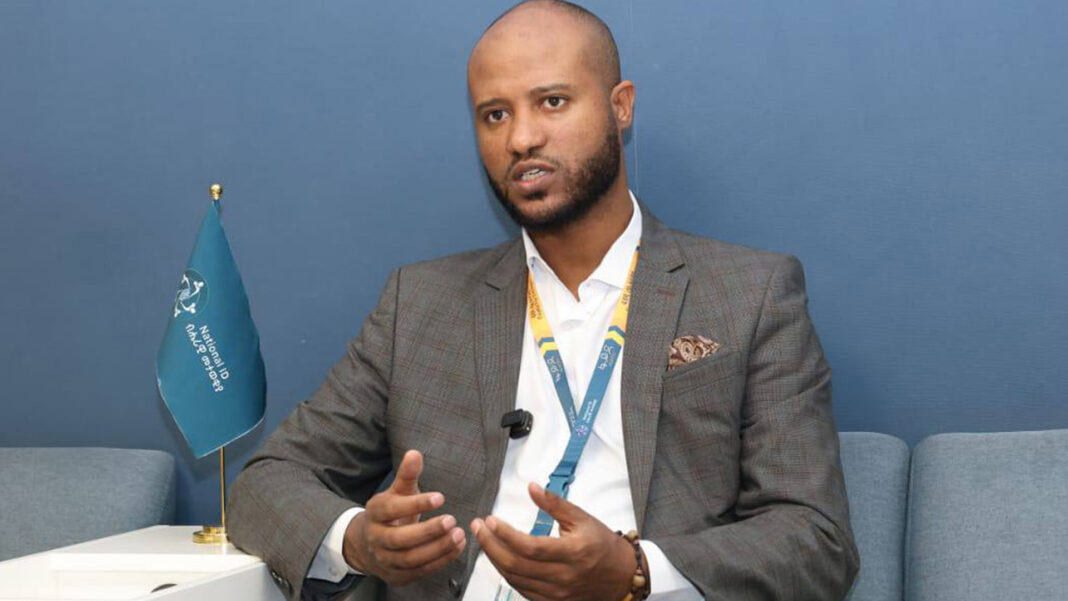
The charges for authentication services, which began in August 2026, reportedly range from five to 10 cents, according to Saminas Seifu, FaydaVerse’s Stakeholder Engagement Director.
“Digital infrastructure requires continuous growth and improvement, and identity authentication is a utility service,” Saminas explained to Capital. “We provide these services on a fee basis because a reasonable charge is necessary to sustain them.”
He clarified that the fees were determined after thorough research and consideration of international practices, aiming to cover basic operating costs. National ID registration, however, remains free for citizens.
Regarding potential adjustments to the charges, Saminas stated that the pricing process involved extensive research, management and board decisions, alongside an evaluation of regulatory and investment frameworks.
“We have no plans to adjust the prices at the moment,” he affirmed, adding that future decisions would prioritize building trust and accountability within the sector.
Previously, banks often requested and photocopied customer identification documents without verifying their authenticity. Saminas noted that banks could spend 10 to 20 birr per copy, a process that did not necessarily prevent identity fraud.
He emphasized that unreliable identity verification exposes financial institutions to fraud and can deter them from expanding lending or introducing new services. Conversely, verified digital identities empower banks to strengthen trust, mitigate fraud risks, and offer services like remote account opening.
The introduction of authentication fees coincides with the national ID system’s expanding reach. As of October 15, 2026, the program had registered 52.4 million people, with an average of 200,000 new registrations daily.
The system has processed approximately 200 million identity authentication operations and handles around two million verification requests daily. More than 14.5 million national ID credentials have been printed.
Addressing concerns that the charges might hinder financial inclusion, Saminas reiterated that citizens would continue to receive national IDs free of charge, with institutions bearing the cost for verification services.
He cited research indicating that 40 percent of Ethiopians lacked proof of identity, asserting that the program has enabled millions to obtain identification and access vital services, including banking.
The verification service is accessible to government institutions, private companies, and start-ups, with the applicable fee varying based on the specific service requested.
Saminas added that the system employs one-time passwords (OTPs) for verification, adhering to the Personal Data Protection Act. It also meticulously records which institutions access information, the data they request, and the duration of access.
The institution recently rebranded from the National ID program to FaydaVerse, reflecting its expanded mandate beyond citizen registration and ID issuance.
Saminas explained that the program, initially conceived as a five-year project, has seen a growing demand from both domestic institutions and foreign countries for identity verification and broader digital public infrastructure services. The number of institutions seeking to collaborate has now reached 150.
FaydaVerse plans to broaden its services to include digital credentials, citizen wallets, digital signing, and infrastructure for public services.
International cooperation could encompass consultancy, system deployment, legal preparation, data center development, and technology procurement. Zambia and Mozambique are among the countries that have expressed interest in such partnerships.
According to data provided by FaydaVerse, Oromia leads in national ID registrations with 19.2 million, followed by Amhara with 8.3 million, and Addis Ababa with 8.1 million.
The data further indicates that men constitute 58.8 percent of registered individuals, while women account for 41.2 percent. Gambella has the lowest registration numbers, with approximately 28,300 people.